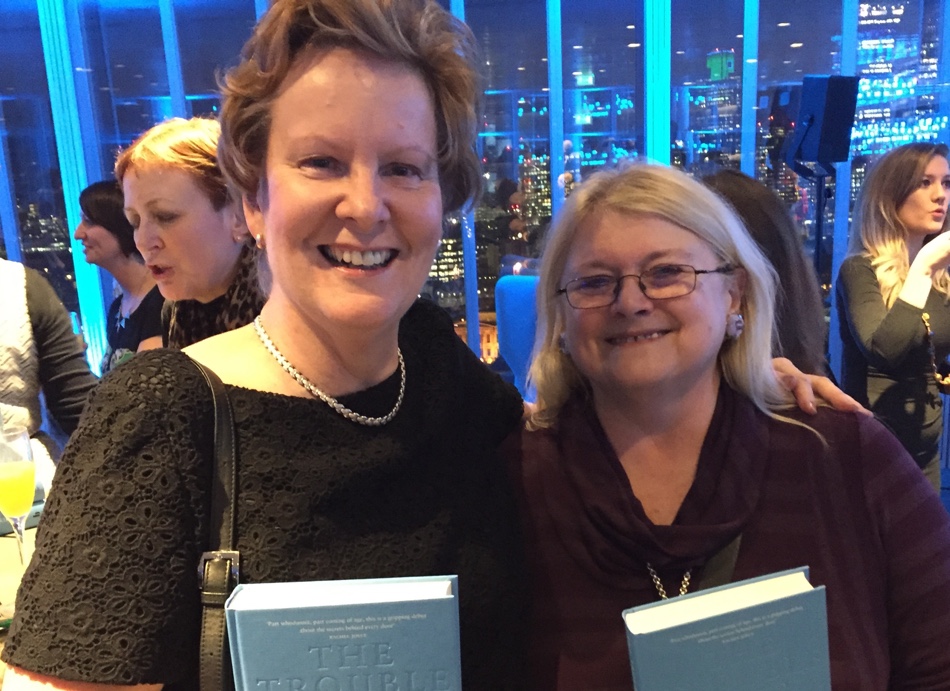
 I can reveal a secret. Carole Blake often told a story of the pitching pest anonymously. The day after it happened I wrote a post called Pitching at Parties. Yes, dear reader, “Sensible and Savvy Agent” was Carole and “Sensible and Friendly Author” was me. Wild horses tearing me apart in the arena will not make me reveal the identity of “Desperate and Determined Author”, but she is a real person. I can reveal a secret. Carole Blake often told a story of the pitching pest anonymously. The day after it happened I wrote a post called Pitching at Parties. Yes, dear reader, “Sensible and Savvy Agent” was Carole and “Sensible and Friendly Author” was me. Wild horses tearing me apart in the arena will not make me reveal the identity of “Desperate and Determined Author”, but she is a real person.
I first saw agent Carole Blake ‘across a crowded room’ at a Romantic Novelists Association party two years before. Of course, she was one of the great and the good of the publishing world with the accompanying glamour. Like every newbie, my dream was to be represented by her agency, Blake Friedmann, but there wasn’t a hope in hell of that happening. At the next party, I managed to exchange a few words with her – just general chat. I remember her being very gracious.
At the Festival of Writing in York (I think it was 2011) Jo Cannon and I were in the bar and found ourselves invited to join Carole’s group who were in a corner full of cushions and chatting over a drink. I had my first lengthy conversation with her; we talked history, Romans, manners and writing. I was flattered to receive her full attention while she talked to me; this was one of gifts.
As I met her at events, we talked more and between times Tweeted and Facebooked. I did submit my writing to her, but as she was taking on very, very few new clients, I was perfectly (nearly perfectly) reconciled that my work was not for her. And once that submitting tension was over, our friendship grew. When the Roma Nova books first appeared, she complimented me on the jewel-like covers (produced by SilverWood Books) and said she was following my career in self-publishing with great interest.
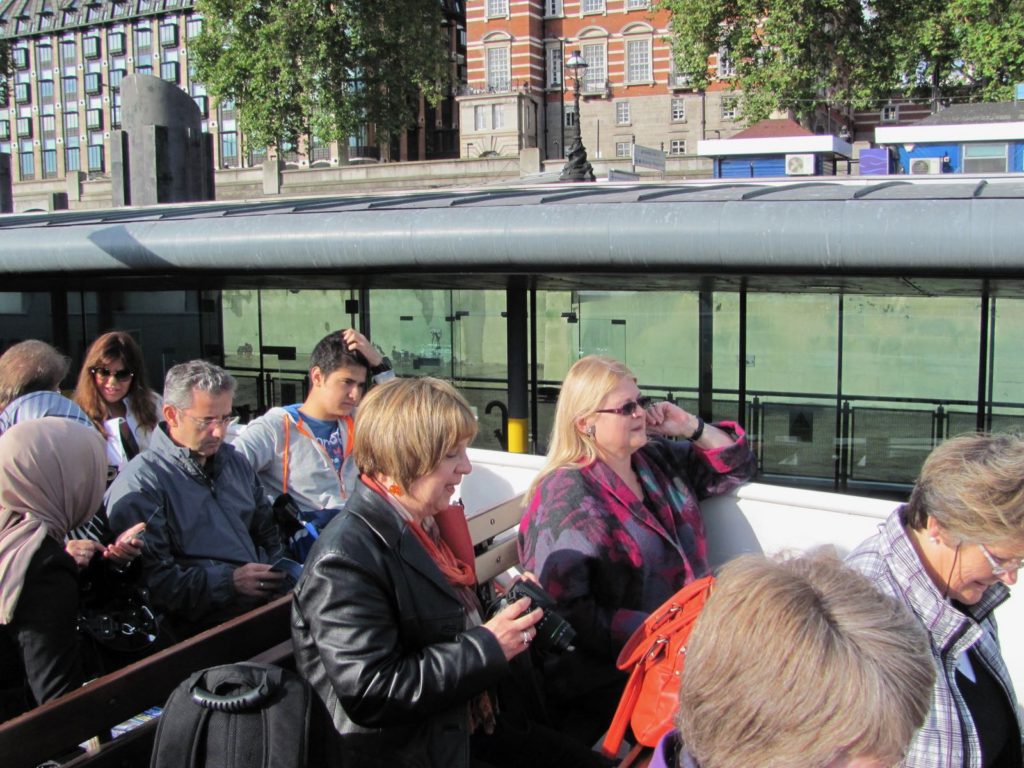
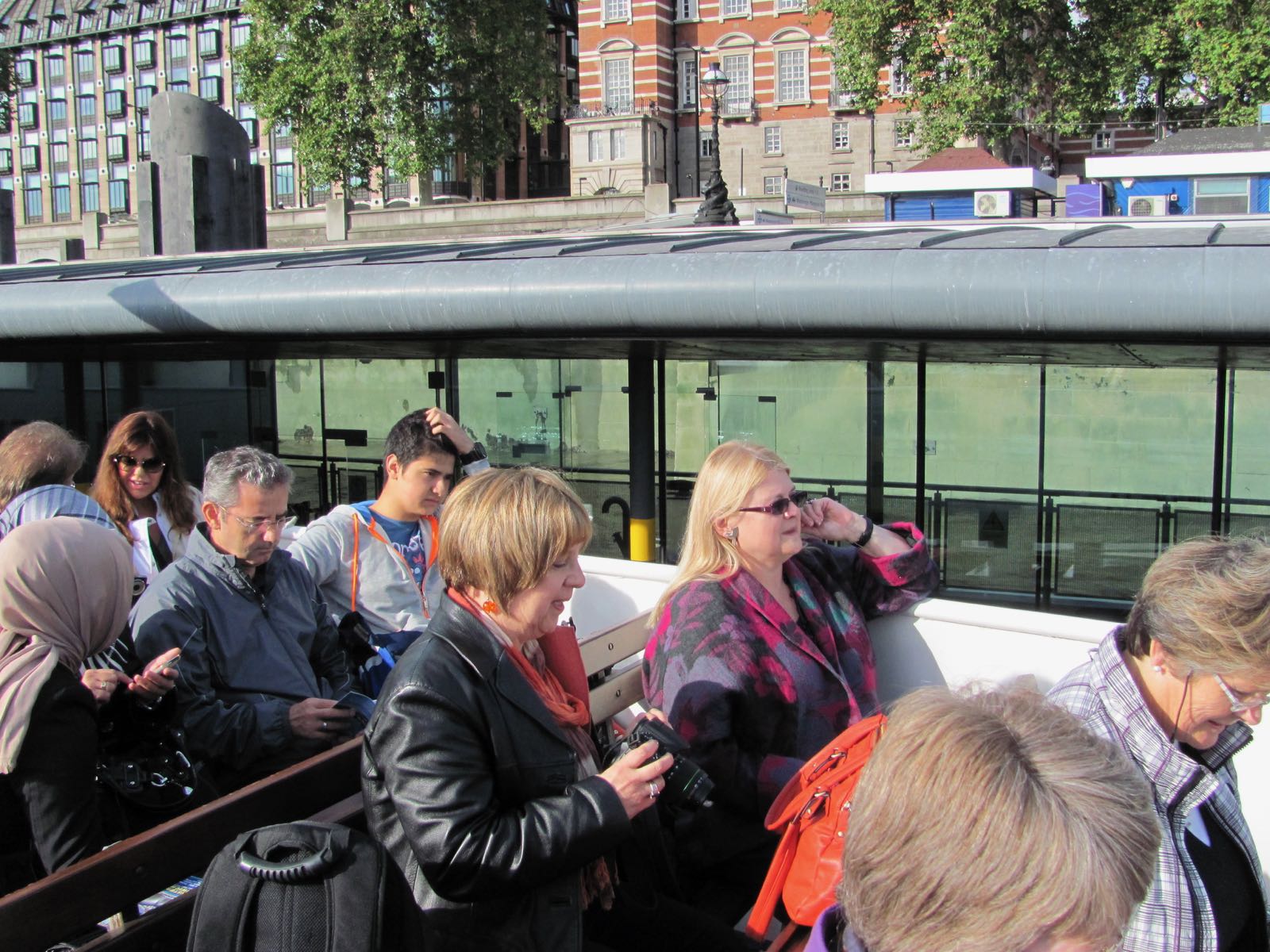
At the 2014 Historical Novel Society, we went swanning off on a boat down the Thames – it was a terrific trip and although it threatened to, it didn’t rain.
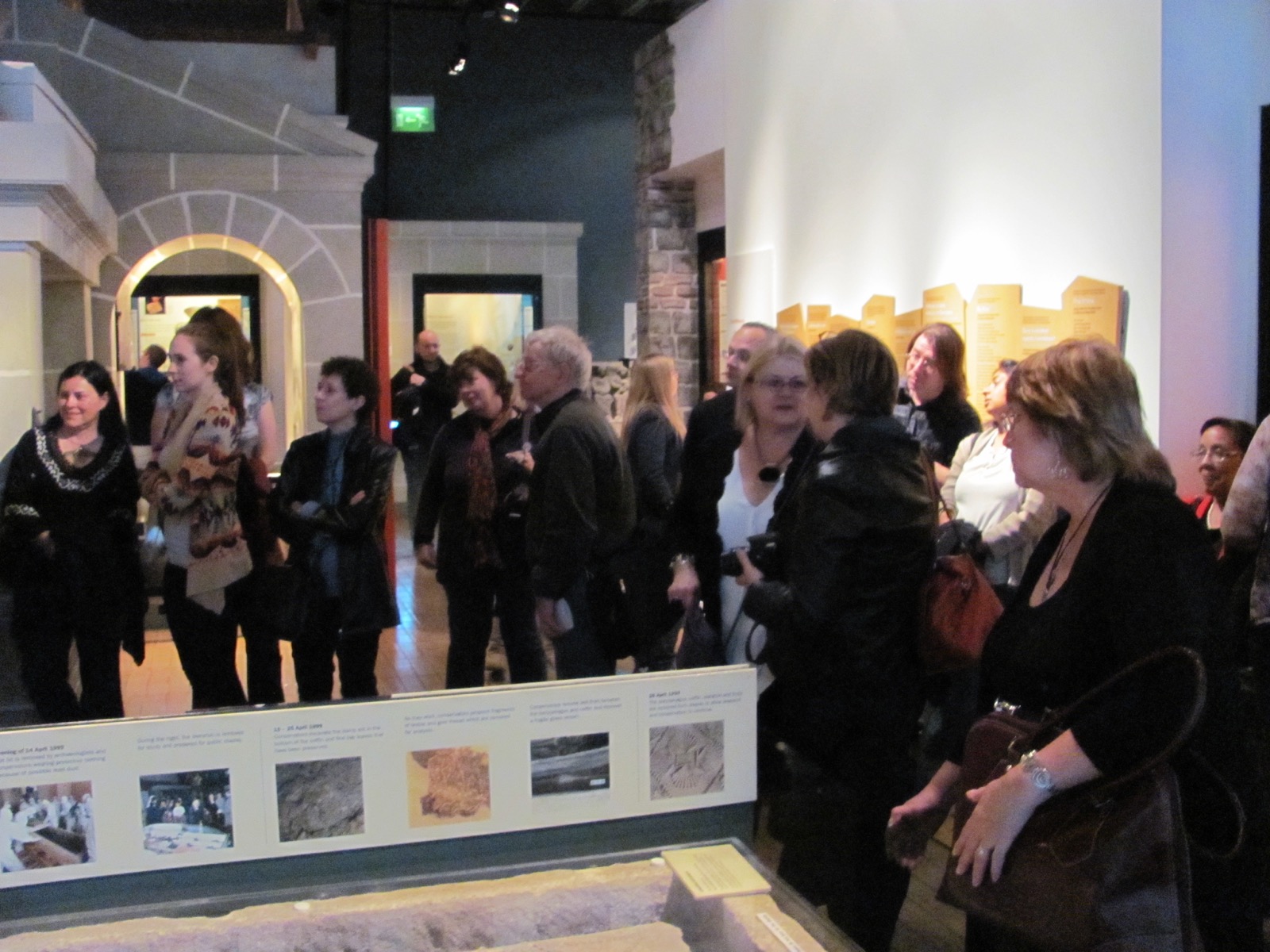
Later, round the Museum of London. I did pity the young guide who wasn’t used to an erudite bunch like Carole, Elizabeth Chadwick, Diana Gabaldon, et al. Elizabeth as an unofficial guide round the medieval exhibits was the best you could have. I chipped in a bit about the Roman stuff…
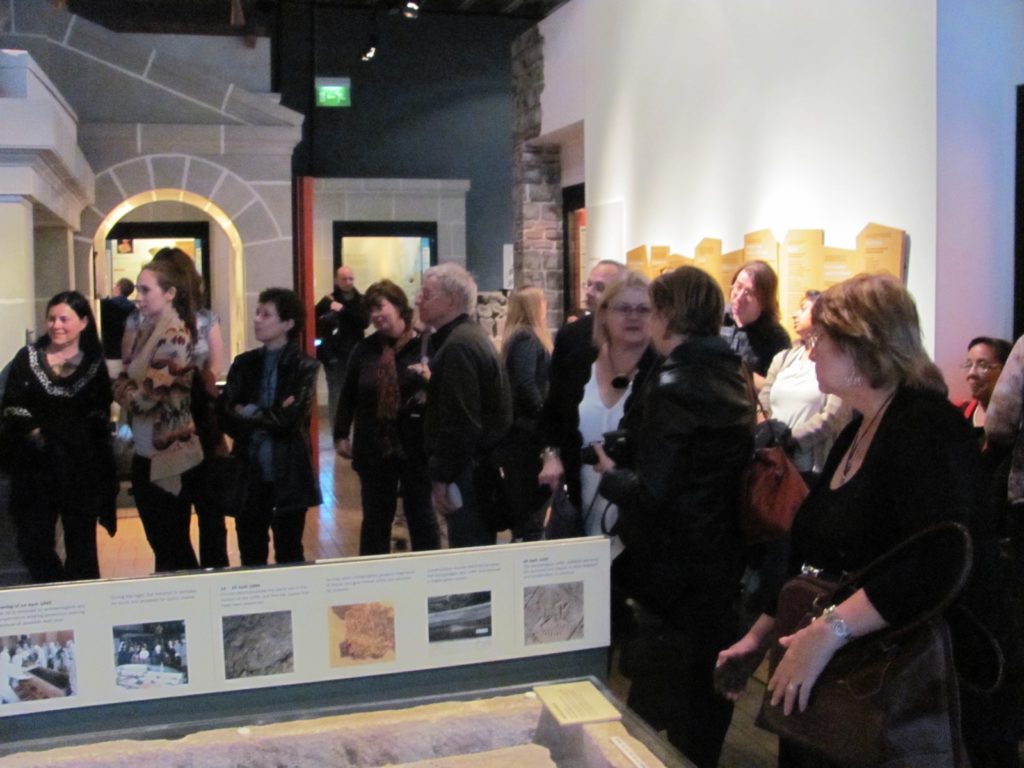 Collectively, our group of around fifteen historical fiction writers probably knew more history than he would ever learn. Collectively, our group of around fifteen historical fiction writers probably knew more history than he would ever learn.
Immersed in the publishing industry, Carole was a keen watcher of trends. As indie publishing was becoming stronger, I (the keen indie author) invited her on to my blog in 2014 to tell us why authors needed agents. And she did!
When I needed some advice, Carole and I met at Browns for a drink before going to David Headley’s History in the Court last September. After some very convivial chatting, I asked her what I should do next in a certain situation, and she said, “Well, we’d better handle it for you”. I said “Okay” and that was it. Blake Friedmann would take on handling my foreign, audio and other ancillary rights. It was going to be an experiment for Blake Friedmann representing an indie author; she said she relished it.
This wasn’t the culmination of some long winded strategy or game plan; this was two friends agreeing to work together. Oh, and she said she *loved* INCEPTIO and had bought all the others in the series. I would have given her copies, but she insisted on buying them and playing fair. And that just about summed her up.
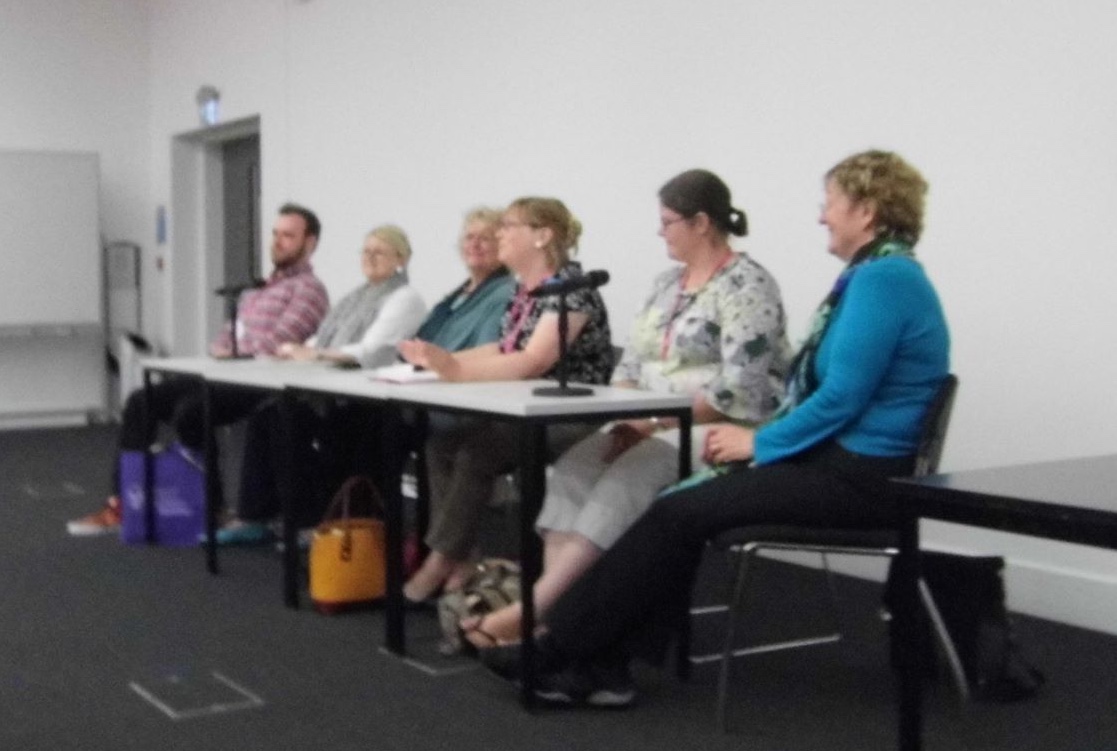
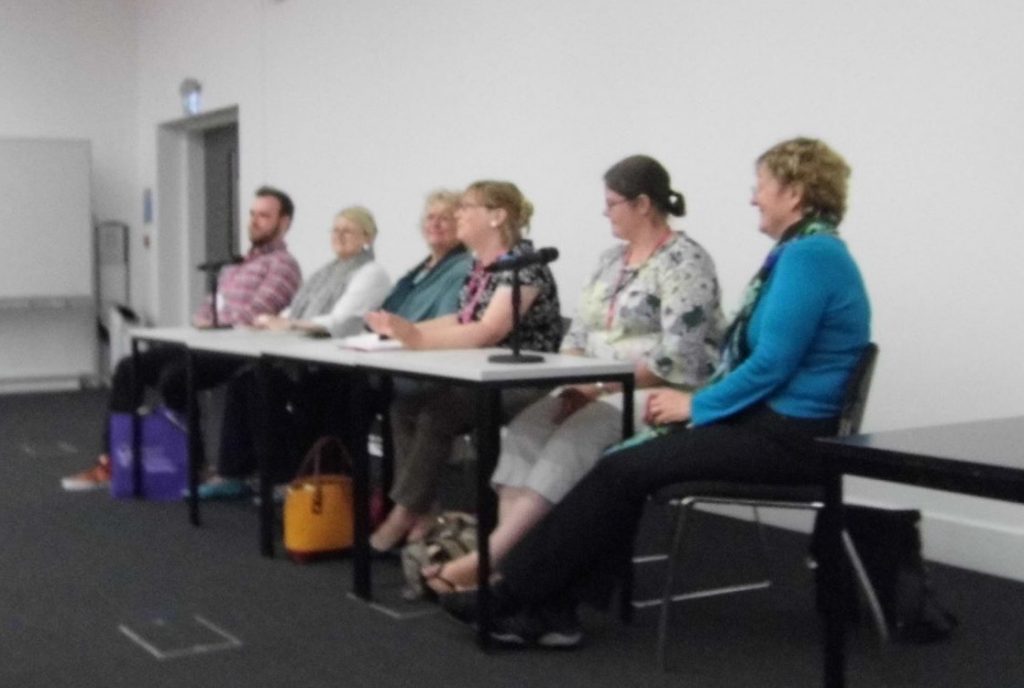 Hearing her speak was always an education; anecdotes, common sense, advice and jokes. When I found myself on the same publishing panel as her at the Romantic Novelists Association this summer, I was not only flattered, but knew I had arrived. Hearing her speak was always an education; anecdotes, common sense, advice and jokes. When I found myself on the same publishing panel as her at the Romantic Novelists Association this summer, I was not only flattered, but knew I had arrived.
I mourn her. There will be no more Facebook posts, tweets, emails or calls, no more convivial drinks, nor words of kindness and hard common sense, no more trenchant but clever guidance and no more jokes. She believed in me; that was a huge gift and one which I will always treasure.
Alison Morton is the author of Roma Nova thrillers, INCEPTIO, PERFIDITAS, SUCCESSIO and AURELIA. The fifth in the series, INSURRECTIO, was published in April 2016.
Find out more about Roma Nova, its origins, stories and heroines…
If you enjoyed this post, do share it with your friends!
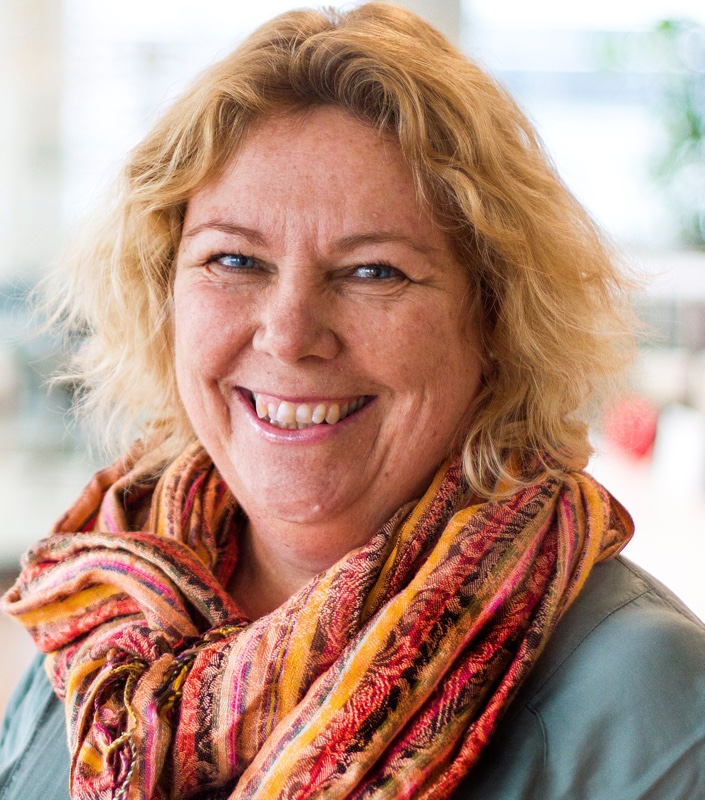
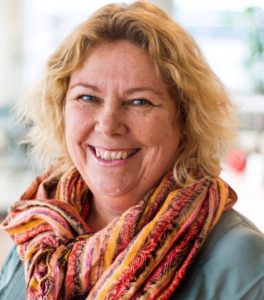 Today’s lovely guest is historical fiction writer, Anna Belfrage. Had she been allowed to choose, she’d have become a professional time-traveller. As this was impossible, she became a financial professional with two absorbing interests: history and writing. Anna is the author of the acclaimed time-slip series The Graham Saga, winner of multiple awards, including the HNS Indie Award 2015. Her new series is set in the 1320s and features Adam de Guirande, his wife Kit, and their adventures during Roger Mortimer’s rise to power. Today’s lovely guest is historical fiction writer, Anna Belfrage. Had she been allowed to choose, she’d have become a professional time-traveller. As this was impossible, she became a financial professional with two absorbing interests: history and writing. Anna is the author of the acclaimed time-slip series The Graham Saga, winner of multiple awards, including the HNS Indie Award 2015. Her new series is set in the 1320s and features Adam de Guirande, his wife Kit, and their adventures during Roger Mortimer’s rise to power.
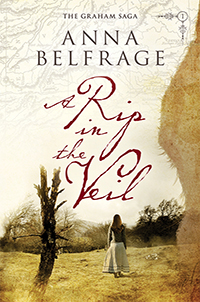
Welcome, Anna! Now tell us why you wrote A Rip in the Veil.
That question in itself could result in a novel, but to keep it brief it’s all my husband’s fault. I met him on a sunny September day quite some years ago, and other than finding him cute, I also found his family history fascinating. (But just to clarify: I did NOT marry him because of his ancestors. They were just a nice little extra)
You see, my husband’s family had fled to Sweden from Scotland to escape religious persecution in the early 17th century. A rather sad story, with Mama Joneta arriving in Gothenburg with her only son, while left behind in Scotland was her husband who was supposed to come after. He never did, and it still a bit vague just what happened to Joneta’s fiery minister husband. Her son, John, grew up more Swedish than Scottish, called himself Hans (an abbreviation of Johannes), went on to become the mayor of a mid-size Swedish town, have over a dozen of children, and, as the final icing on his particular cake, was registered as being part of the Swedish nobility. As it should be, Hans Belfrage would have said, seeing as he could boast Scottish noble blood – his mother was a Stuart.
Anyway… all this family history had me digging into Scottish history in the early 17th century. The more I read, the more fascinated I became, and soon enough Matthew Graham began to take shape in my head – albeit that I moved him forward in time so as to be able to depict the turmoil that followed upon the death of Oliver Cromwell.
I thought I was going to write a pretty straightforward historical novel featuring a devout Covenanter. I had not counted on the sudden appearance of Alex Lind, a most reluctant time traveller who plummeted through time to land at the feet of an intrigued Matthew. Nor did I have any idea that Matthew and Alex would take me by the hand and drag me off on a sequence of adventures, all the way from Scotland to Virginia, back to Scotland, over to Maryland, down to Barbados…
So there you have it: why I decided to write A Rip in the Veil, albeit that the end product had nothing to do with the original idea. Plus, the end product was not a book, it was a whole series, The Graham Saga.
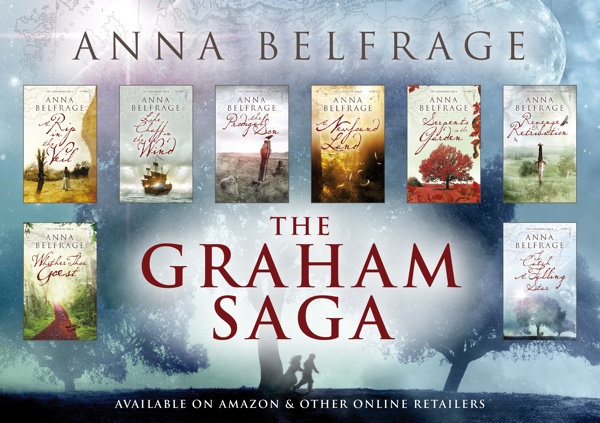
Why do you think your main character is like he is?
Matthew Graham is a man raised within the Scottish Kirk by a devout and somewhat rigid father. Since childhood, he has been encouraged to develop a personal relationship with God – albeit within the framework offered by the kirk – and he has been told over and over again that the men of the kirk answer to the kirk and God, not to the king.
When Charles I decided to forcibly bring the Scottish Kirk into the welcoming arms of the Anglican Church, he seriously underestimated the enraged protests this would cause. Some years later, Charles I was fighting a civil war, in which the Scottish Covenanters joined the Parliamentarians. This happened as Matthew was growing up, and his father made sure Matthew always remembered who was the enemy: the king, and his determination to foist Popish rituals (as per the Scots, the Anglican Church was borderline Papist) on the good people of Scotland. All this passion for the cause left Matthew a boy of strong convictions, and as a teenager he joined the New Model Army. A sobering experience, which left him somewhat disenchanted with his fiery co-religionists – but this was not something he could admit to anyone, least of all himself.
Other than all this religion, our Matthew has also suffered a betrayal of the heart. His first wife, Margaret, grew up as his father’s ward, the constant companion to Matthew’s younger brother Luke. When Luke was thrown out of the family home for spouting royalist beliefs (and for bedding Margaret in the barn, and she only fifteen or so) Margaret turned to Matthew for comfort. A beautiful young woman, a somewhat older but not that much more experienced young man, and Matthew fell in love. They married – and then Luke returned…Let’s just say being cuckolded is not a nice experience, even less so when Luke also managed to have Matthew jailed on trumped up accusations of treason.
So when Matthew Graham meets Alex Lind, he is a wary man. He still a devout man, he is still a man of convictions, but he doesn’t trust easily, and this strange and injured woman has him torn in two between a desire to run away from her and take care of her. Fortunately, compassion wins out.
 A Scottish hillside What does Matthew think he is like?
“Hmm.” Matthew frowns as he reads through the previous answer. “A jilted husband? Aye, I suppose I was – and aye, it hurt. A lot. Margaret was…” He swallows down the rest, casting a look in the direction of Alex, who has somehow materialised from nowhere to sit beside him.
“Beautiful,” Alex fills in. She slips her arm in under his.
“But she wasn’t really your type.”
“She wasn’t?” He chuckles, vivid hazel eyes gleaming in the sun that filters in from the small window.
“Nope. I am your type. Best remember that.” A soft kiss and she is gone, leaving Matthew smiling. He settles down on the bench and extends his long legs towards the hearth.
“A man of convictions – aye, I believe I am one of those fools who find it difficult to compromise on certain issues. After all, some things are worth dying for.”
“Like what?”
“God. The Kirk.” His face softens. “My wife and bairns.”
“You’re not much use to them if you’re dead.”
“Which is why I do my best to stay alive,” he retorts. “And keeping her, that firebrand of a wife you’ve given me, alive as well.” His face darkens. “Not always the easiest of tasks.”
“We’re not here to talk about her. We’re here to talk about you.”
“Not all that interesting, is it?” Matthew fiddles with his belt. “I am merely a man, like any other man. Aye, I am devout, I believe in standing up for what I think is right, but sometimes I do so and swallow in fear – because I don’t want to die, not yet, and riling the King and his soldiers is dangerous business. But it must be done – we cannot allow that restored twat with hair down to his waist to dictate how we, the men of the Scottish Kirk, should worship and pray.” He pauses, takes a couple of breaths. “Yon Charles II is no friend of his Presbyterian subjects. He may be inclined to tolerance elsewhere, but here…”
“And you? Are you tolerant?”
He purses his lips. “It used to be I wasn’t, convinced only me and mine held to the true faith. But now… I am a man wed to an impossibility, a woman from the future. That broadens the mind, like. Especially when that woman is opinionated and given to questioning everything I perceive as truths.” Matthew smiles. “My mother would have liked her. Where Da only saw the rainclouds, Mam saw the rainbow. Where he saw the world in black or white, Mam filled the world with colour – like Alex does.” His chest expands on a deep breath. “Once, I was all about convictions and duty, about adhering to my faith and hating anyone who disagreed with me. Half a man, truth be told, even more so after that matter with Margaret. With Alex, the sun re-entered my life.” He gives me a sharp look. “No need to tell her that, mind.”
I smile. “I think she already knows.” I nod at Alex who has mysteriously reappeared (my brain is very roomy)
“Aye, of course she does.” Matthew beckons his wife towards him, surprising both her and me when he pulls her down to sit on his lap. He doesn’t do stuff like that in public. “I tell her every day.”
Well: not only a man of convictions and faith, but also a romantic at heart. Lucky Alex, I’d say. Very, very lucky Alex. Matthew meets my eyes and winks, one large hand travelling up and down Alex’s back. I take that as my cue to leave.
(And I think we should also close the door and give them some privacy. 😉 )
Thank you so much, Anna! Now, about your book…
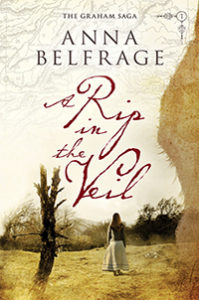 On a muggy August day in 2002 Alexandra Lind is inexplicably thrown several centuries backwards in time to 1658. Life will never be the same for Alex. On a muggy August day in 2002 Alexandra Lind is inexplicably thrown several centuries backwards in time to 1658. Life will never be the same for Alex.
Alex lands at the feet of Matthew Graham – an escaped convict making his way home to Scotland. She gawks at this tall gaunt man with hazel eyes, dressed in what looks like rags. At first she thinks he might be some sort of hermit, an oddball, but she quickly realises that she is the odd one out, not him.
Catapulted from a life of modern comfort, Alex grapples with her frightening new existence. Potential compensation for this brutal shift in fate comes in the shape of Matthew – a man she should never have met, not when she was born three centuries after him. But Matthew comes with baggage of his own, and at times it seems his past will see them killed.
How will she ever get back? And more importantly, does she want to?
***A Rip in the Veil has been awarded the prestigious BRAG Medallion.***
Buy links: Amazon Barnes & Noble Kobo
Connect with Anna: Website Blog Facebook Twitter @abelfrageauthor Amazon author page
Alison Morton is the author of Roma Nova thrillers, INCEPTIO, PERFIDITAS, SUCCESSIO and AURELIA. The fifth in the series, INSURRECTIO, was published in April 2016.
Find out more about Roma Nova, its origins, stories and heroines…
If you enjoyed this post, do share it with your friends!
 Well, this is all very exciting. Tim Lewis of the BeginSelfPublishing podcast asked me to talk about author events; what I’d done, how to get speaking gigs and practical tips for doing them. Well, this is all very exciting. Tim Lewis of the BeginSelfPublishing podcast asked me to talk about author events; what I’d done, how to get speaking gigs and practical tips for doing them.
I was flattered to be asked, given his previous line-up of guests, but very pleased to pass on what I’d learned.
Click to listen!
We discussed:
- How did you get your first speaking engagement as an author?
- Have you been paid for any of these author events?
- Does it help to have contacts with other authors in terms of getting booked for author speaking events?
- What has been the most difficult event you have spoken at and what did you learn from it?
- What advice would you give to people who would be nervous at speaking at author events?
And do you have any tips to add?
Updated 2024: Alison Morton is the author of Roma Nova thrillers – INCEPTIO, CARINA (novella), PERFIDITAS, SUCCESSIO, AURELIA, NEXUS (novella), INSURRECTIO and RETALIO, and ROMA NOVA EXTRA, a collection of short stories. Audiobooks are available for four of the series. Double Identity, a contemporary conspiracy, starts a new series of thrillers. JULIA PRIMA, Roma Nova story set in the late 4th century, starts the Foundation stories. The sequel, EXSILIUM, is now out.
Download ‘Welcome to Alison Morton’s Thriller Worlds’, a FREE eBook, as a thank you gift when you sign up to Alison’s monthly email update. You’ll also be among the first to know about news and book progress before everybody else, and take part in giveaways.
If you enjoyed this post, do share it with your friends!
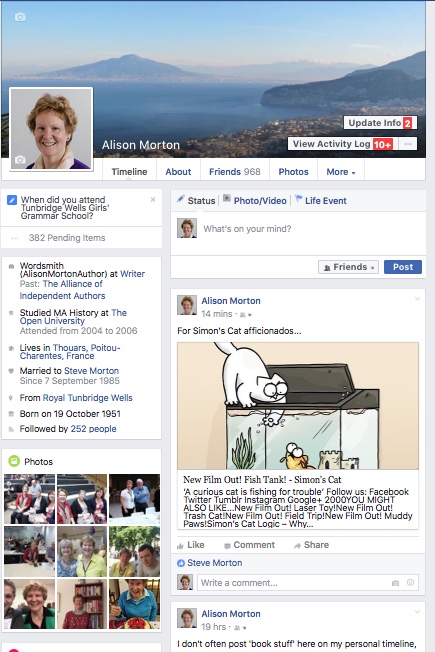 I’ve never had so many friends, just under a thousand. I have Close Friends, Friends, Acquaintances, I can follow them or not, I can Poke them and Add them to one of the groups I belong to (very bad form). I’ve never had so many friends, just under a thousand. I have Close Friends, Friends, Acquaintances, I can follow them or not, I can Poke them and Add them to one of the groups I belong to (very bad form).
I can invite them to my Author page. I can Like, Love, go Haha, Wow, be Sad or Angry at their posts, and Comment on and Share their posts. In short, there is no end to interaction.
But are they true friends?
And do I need so many?
Yes and no to both.
So who are my Facebook friends?
– pre-Facebook friends (Was there such a time?) who have joined subsequently. A pleasure to see them there.
– Friends whom I met at an event or just socially. Afterwards, we fumbled around through the Facebook labyrinth and found each other. Excellent to meet up virtually
– Friends whom I made on Facebook and subsequently met – that’s a whole other experience! The best!
– Friends I have come to know well, but whom it is very unlikely I will meet in the flesh. Solid friends
– Other friends who share the same interests, who chat but would be usually called acquaintances in RL (real life, i.e. the physical world). What a great time we have!
– Requests from slightly strange people of dubious character, possibly spammers, but I think often lonely people or maybe plain weirdos. No, thanks
– Opportunists. They’re the ones who ‘befriend’ you, then send you a DM flogging their book/sunglasses. Block.
So what does Facebook do for me personally?
It lets me:
– talk to people I like across five continents
– laugh at, applaud or despair at humanity
– watch a lot of cat videos
– learn about things I wouldn’t otherwise know about
– meet people I would never otherwise know
Facebook can be a short cut in friendship. We all experience that slightly spooky feeling of meeting a FB friend in RL, but a lot of the preliminaries are done. When you go back to Facebook afterwards, your friendship is richer and closer.
And professionally?
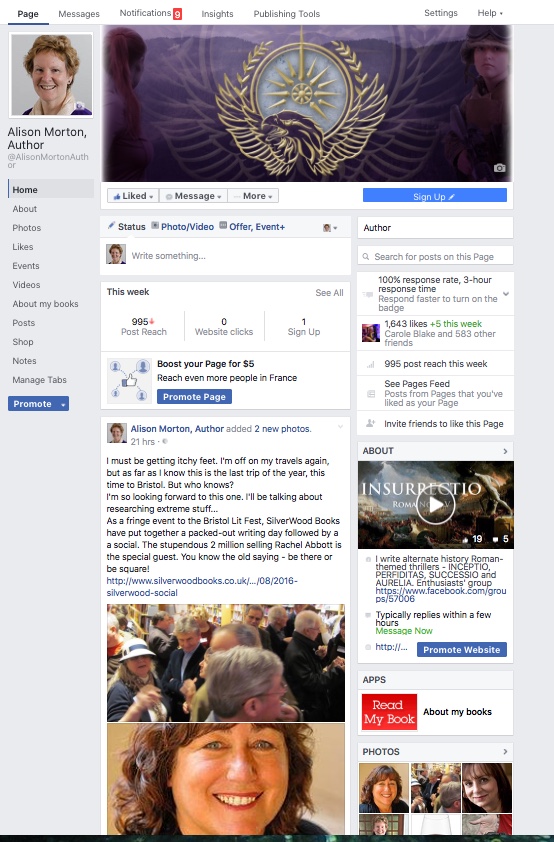 Through my author page I can post about my Roma Nova books, background articles, writing and publishing topics, quirky book videos and about book writing progress. Most of all, I can interact with readers and fans. Through my author page I can post about my Roma Nova books, background articles, writing and publishing topics, quirky book videos and about book writing progress. Most of all, I can interact with readers and fans.
It’s a very sad fact, but not every one of my friends in my personal profile is necessarily interested in my books (cue sobbing and violins), so using my author page means I can separate the two lots of friends.
Those interested in France, cats, wine, rants and quirks can be safe on my personal profile while those keen to follow Roma Nova, writing progress, Roman discoveries, rants about apostrophes, special offers and events can follow my author page. Happiness all round! However, I’m flattered that almost all my personal friends have ‘liked’ my author page! Now to get them all to buy a book or two… 🙂
But (here it comes...) like all social media, Facebook is an enhancer, rather than a substitute for real contact. It’s addictive, entrancing, baffling and annoying as well as a time suck. But I’ve had some terrific conversations simultaneously in UK, Australia and the US from my home in rural France or trundling in a train across the wilds of Oxfordshire.
While it’s a good slave, it’s a bad master. I love it while I’m on there, but I restrict it to specific times in the day. After all, work must be done and Real Life is what counts.
Alison Morton is the author of Roma Nova thrillers, INCEPTIO, PERFIDITAS, SUCCESSIO and AURELIA. The fifth in the series, INSURRECTIO, was published in April 2016.
Find out more about Roma Nova, its origins, stories and heroines…
If you enjoyed this post, do share it with your friends!
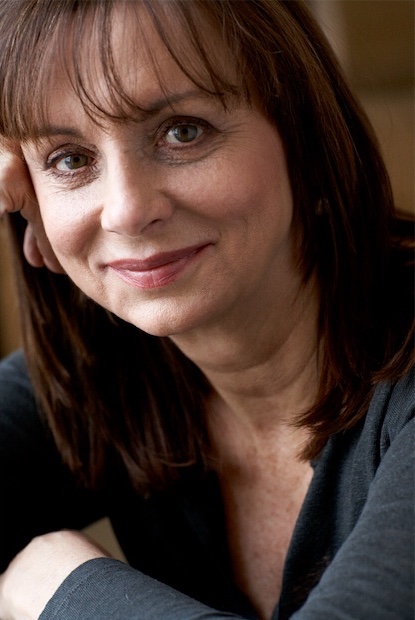
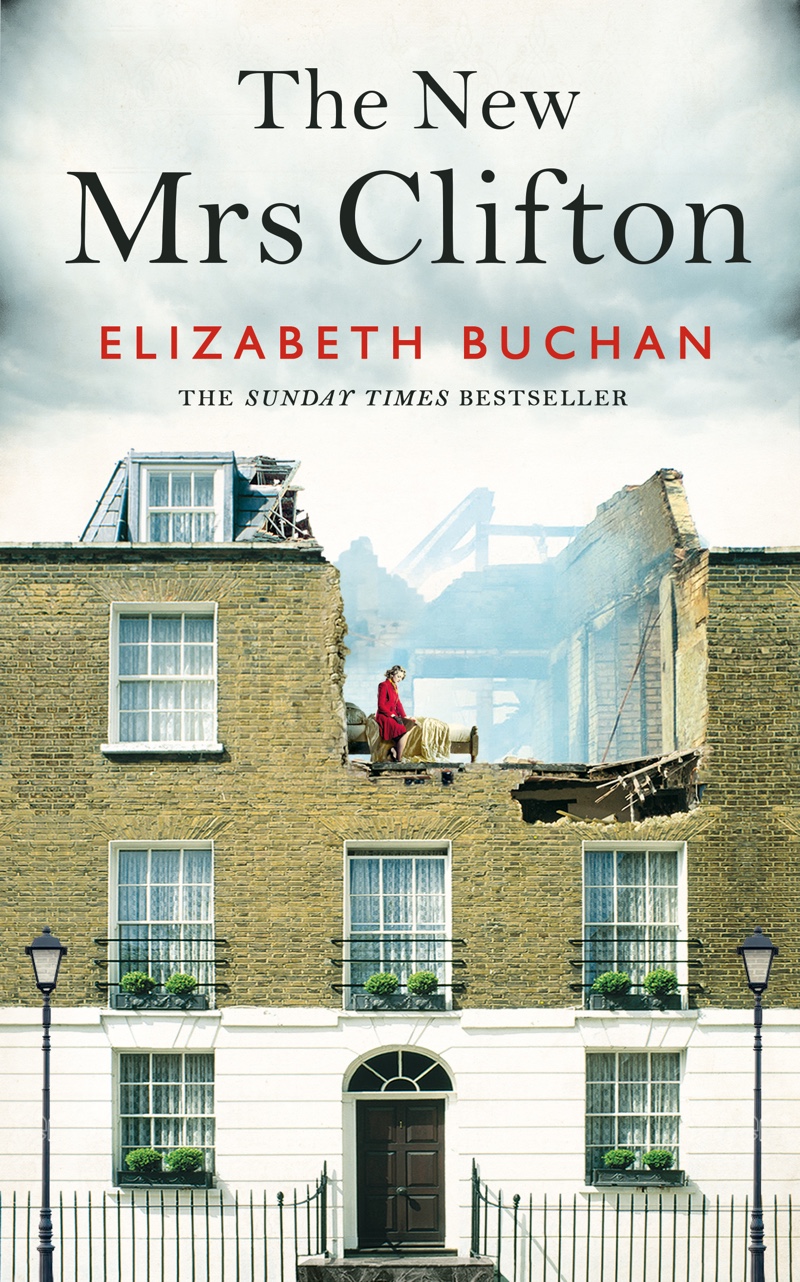
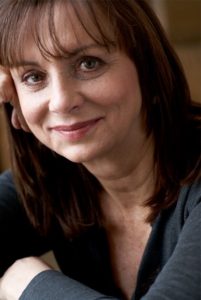 Continuing the ‘Love me, love my character’ series, I’m delighted to welcome back to the blog Elizabeth Buchan; she very kindly answered a newbie blogger’s questions with much patience and grace. Elizabeth Buchan began her career as a blurb writer at Penguin Books after graduating from the University of Kent with a double degree in English and History. She moved on to become a fiction editor at Random House before leaving to write full time. Her novels include the prizewinning Consider the Lily. A subsequent novel, Revenge of the Middle-Aged Woman became an international bestseller and was made into a CBS Primetime Drama. Later novels included Separate Beds, Daughters and I Can’t Begin to Tell You, a story of resistance in wartime Denmark. Her latest, The New Mrs Clifton, is set in London and Berlin in 1946. Continuing the ‘Love me, love my character’ series, I’m delighted to welcome back to the blog Elizabeth Buchan; she very kindly answered a newbie blogger’s questions with much patience and grace. Elizabeth Buchan began her career as a blurb writer at Penguin Books after graduating from the University of Kent with a double degree in English and History. She moved on to become a fiction editor at Random House before leaving to write full time. Her novels include the prizewinning Consider the Lily. A subsequent novel, Revenge of the Middle-Aged Woman became an international bestseller and was made into a CBS Primetime Drama. Later novels included Separate Beds, Daughters and I Can’t Begin to Tell You, a story of resistance in wartime Denmark. Her latest, The New Mrs Clifton, is set in London and Berlin in 1946.
Elizabeth Buchan’s short stories are broadcast on BBC Radio 4 and published in magazines. She reviews for the Sunday Times and the Daily Mail, and has chaired the Betty Trask and Desmond Elliot literary prizes. She was a judge for the Whitbread First Novel Award and for the 2014 Costa Novel Award. She is a patron of the Guildford Book Festival and of The National Academy of Writing, and sits on the author committee for The Reading Agency.
Welcome Elizabeth! Do tell us why you wrote this book
Just after the Second World War, my aunt married a German who she had met before its outbreak. I was not around but I imagine it caused shock waves on both sides of the family. For the novel, I decided to reverse the situation and have Gus, an intelligence officer, returning from Berlin in 1945 to his family house in London with a German bride. Why has he done this? The answer is a lot to do with what war does to men and women, both on the battlefield and on the home front which is what the novel is about.
Why do you think your main characters are like they are?
I have two main characters; firstly, Krista, the traumatized German girl. Until the war, she is making her way, perhaps not thinking very hard about politics and society. After the war, she is left traumatised but with an iron-hard certainty. That is: she is going to survive, whatever it takes. Whereas the English Gus who marries her encounters the worst aspects of human beings in the war and discovers that he can be as guilty of moral slippage as any.
What do your characters think they are like?
Her experiences teach Krista that, whatever it takes, she is capable of hanging on. She also feels that the real Krista has disappeared, blown away by trauma and violence. Is she correct? Gus imagines that his views on morality and honour will hold fast during the war. It takes him aback to find that they do not. How will he retrieve his former certainties is something which preoccupies him.
Yes, war forces us to look inside at our core and sometimes we discover we’re not as we think we are.
So who is The New Mrs Clifton?
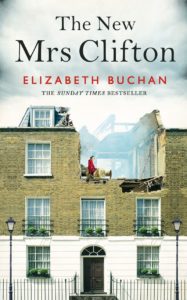 As the Second World War draws to a close, Intelligence Officer Gus Clifton surprises his sisters at their London home. But an even greater shock is the woman he brings with him, Krista – the German wife whom he has married secretly in Berlin. As the Second World War draws to a close, Intelligence Officer Gus Clifton surprises his sisters at their London home. But an even greater shock is the woman he brings with him, Krista – the German wife whom he has married secretly in Berlin.
Krista is clearly devastated by her experiences at the hands of the triumphant allies – all but broken by horrors she cannot share. But Gus’s sisters can only see the enemy their brother has brought under their roof. And their friend Nella, Gus’s beautiful, loyal fiancée, cannot understand what made Gus change his mind about their marriage. What hold does Krista have over their honourable and upright Gus? And how can the three women get her out of their home, their future, their England?
Haunted by passion, betrayal and misunderstanding these damaged souls are propelled towards a spectacular resolution. Krista has lost her country, her people, her identity, and the ties that bind her to Gus hold more tightly than the sisters can ever understand…
********************
‘So so good. Great writing, great story. I could not put it down.’
– Marian Keyes
‘Compassionate and gripping’ – Fanny Blake, Woman and Home
‘With vivid historical details and a twist in the tale, The New Mrs Clifton is a gripping, immensely satisfying novel’ – Red
********************
Buying links: Amazon UK Amazon US
Connect with Elizabeth: Website Twitter @elizabethbuchan
Alison Morton is the author of Roma Nova thrillers, INCEPTIO, PERFIDITAS, SUCCESSIO and AURELIA. The fifth in the series, INSURRECTIO, was published in April 2016.
Find out more about Roma Nova, its origins, stories and heroines…
If you enjoyed this post, do share it with your friends!
|
Subscribe to Blog via Email
Join 368 other subscribers.
Categories
Archive
|
 Collectively, our group of around fifteen historical fiction writers probably knew more history than he would ever learn.
 Hearing her speak was always an education; anecdotes, common sense, advice and jokes. When I found myself on the same publishing panel as her at the Romantic Novelists Association this summer, I was not only flattered, but knew I had arrived.