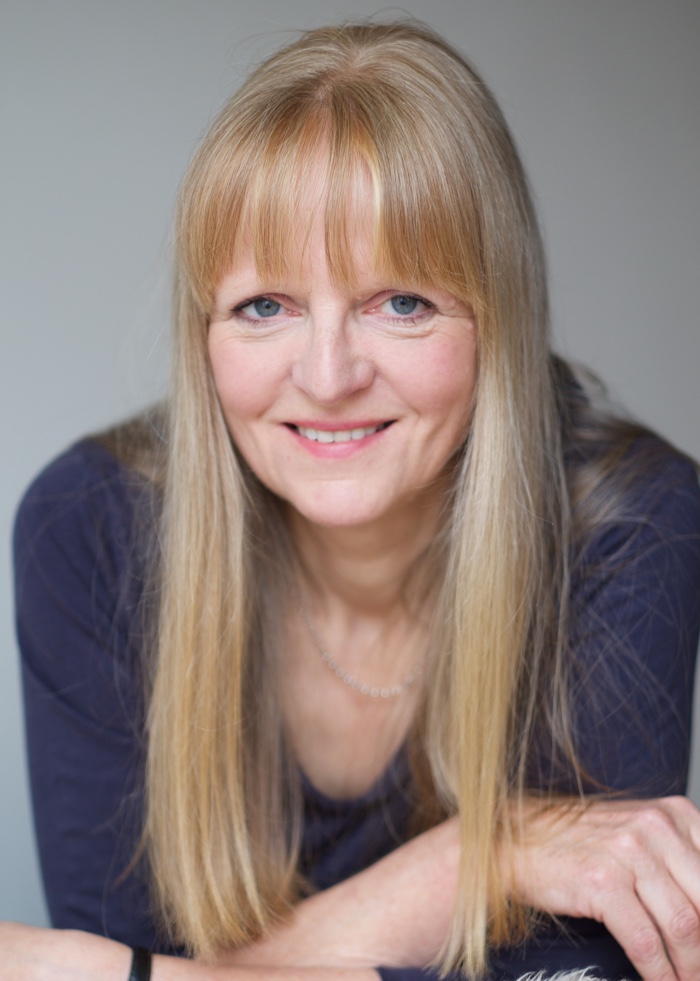
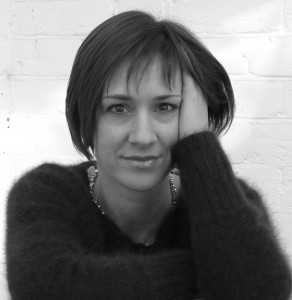
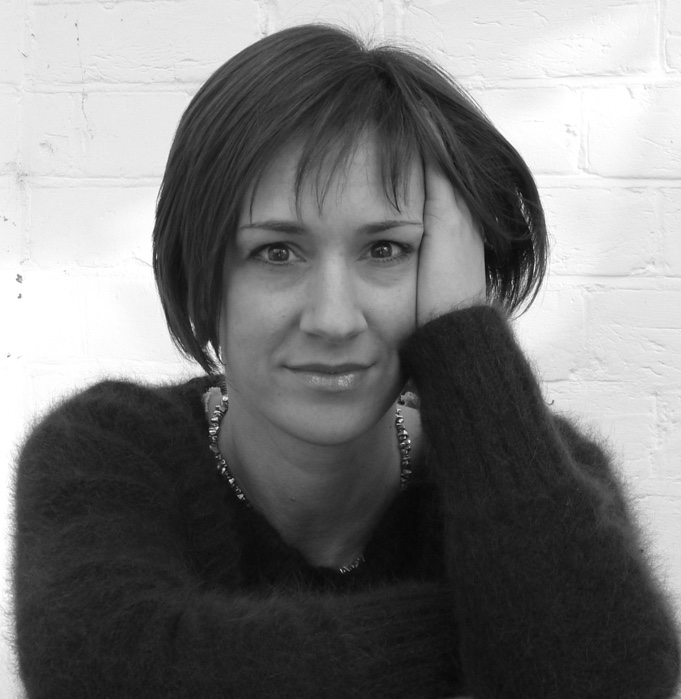
 What a pleasure it is to welcome the talented Jane Davis back as my Thursday guest! Jane is the author of seven novels. Her debut, Half-truths and White Lies, won the Daily Mail First Novel Award and was described by Joanne Harris as ‘A story of secrets, lies, grief and, ultimately, redemption, charmingly handled by this very promising new writer.’ The Bookseller featured her in their ‘One to Watch’ section. Six further novels have earned her a loyal fan base and wide-spread praise. Her 2016 novel, An Unknown Woman won Writing Magazine’s Self-Published Book of the Year Award. Compulsion Reads describe her as ‘a phenomenal writer whose ability to create well-rounded characters that are easy to relate to feels effortless.’ Her favourite description of fiction is ‘made-up truth’. What a pleasure it is to welcome the talented Jane Davis back as my Thursday guest! Jane is the author of seven novels. Her debut, Half-truths and White Lies, won the Daily Mail First Novel Award and was described by Joanne Harris as ‘A story of secrets, lies, grief and, ultimately, redemption, charmingly handled by this very promising new writer.’ The Bookseller featured her in their ‘One to Watch’ section. Six further novels have earned her a loyal fan base and wide-spread praise. Her 2016 novel, An Unknown Woman won Writing Magazine’s Self-Published Book of the Year Award. Compulsion Reads describe her as ‘a phenomenal writer whose ability to create well-rounded characters that are easy to relate to feels effortless.’ Her favourite description of fiction is ‘made-up truth’.
Jane lives in Carshalton, Surrey, with her Formula 1 obsessed, beer-brewing partner, surrounded by growing piles of paperbacks, CDs and general chaos. When she is not writing, you may spot Jane disappearing up the side of a mountain with a camera in hand.
Welcome, Jane! You are now releasing your seventh novel, but when did you feel you could call yourself a writer?
It was the agent who first signed me who said, ‘Jane, you are a writer.’ For four years, the 90,000 word manuscript of my first (unpublished) novel had obsessed me, eating up all of my spare time. Being a ‘writer’ sounded so much more glamorous than being an insurance broker, but there’s an enormous leap from writing your first novel and having the confidence to call yourself a writer. I still thought of myself as someone who ‘dabbled’. I left school at the age of sixteen with a handful of O’ Levels, and I’ve never managed to shake off the nagging fear that I’m going to be found out. I don’t think the doubt ever goes away, but you find a way to channel it. Rather like making use of nerves when you speak in public.
Do you set any rules for yourself when writing?
I have only three rules. Whatever my subject-matter, the end-product must be honest, credible and authentic.
Talk us through your writing process…
I never write an outline, but I don’t see the alternative as ‘winging it’. I am a ‘gradual layer-er’, and that takes time. With the exception of Half-truths and White Lies, which virtually wrote itself, none of my published novels bear any resemblance to their early drafts.
I like George R R Martin’s quote: ‘I’ve always said there are two kinds of writers. There are architects and gardeners. Architects do blueprints before they drive the first nail, they design the entire house, where the pipes are running and how many rooms there are going to be, how high the roof will be. But the gardeners just dig a hole and plant the seed and see what comes up.’
Personally, I think there are more than two types of writers. I want to be Mary Anning scouring the beaches at Lyme Regis for dinosaur fossils, or Howard Carter discovering the tomb of Tutankhamun, or metal detectorist Terry Herbert digging up the Staffordshire Hoard. What I don’t want to be is a parent deciding on my child’s future, telling my son which subjects he will study, arranging my daughter’s marriage.
Every time you introduce a new angle, each ‘what if?’ question has to be pushed to its limits. Setting material aside and revisiting it allows for greater objectivity. You have to analyse what isn’t working any why, then once you have the structure you go back and make every page shine. The pivotal moment of a novel may not actually reveal itself until several edits in, or until an editor comments, ‘I see the point that you were trying to make.’
I’m afraid readers who imagine that words show up in the eventual order that they appear on the page of any novel is usually mistaken. In some ways, the novel in its final form is the rabbit pulled out of the hat.
You interview a lot of authors. Which author interview has been your favourite?
I sent a cheeky email to John Ironmonger after reading his novel, The Coincidence Authority, never dreaming that he would reply, but I told him I thought he was the British John Irving and apparently he was very pleased with that. Since then, he has published his third novel, Not Forgetting the Whale. It’s such a perfect piece of writing that I think it’s probably the better introduction to his work. Its main character is a City hotshot who runs away to an isolated Cornwall village in the mistaken belief that he was responsible for a financial crash. Think Local Hero, Whiskey Galore! or 1000 Acres of Sky and you’ll have an idea of feel of the book.
What’s the story behind your latest book?
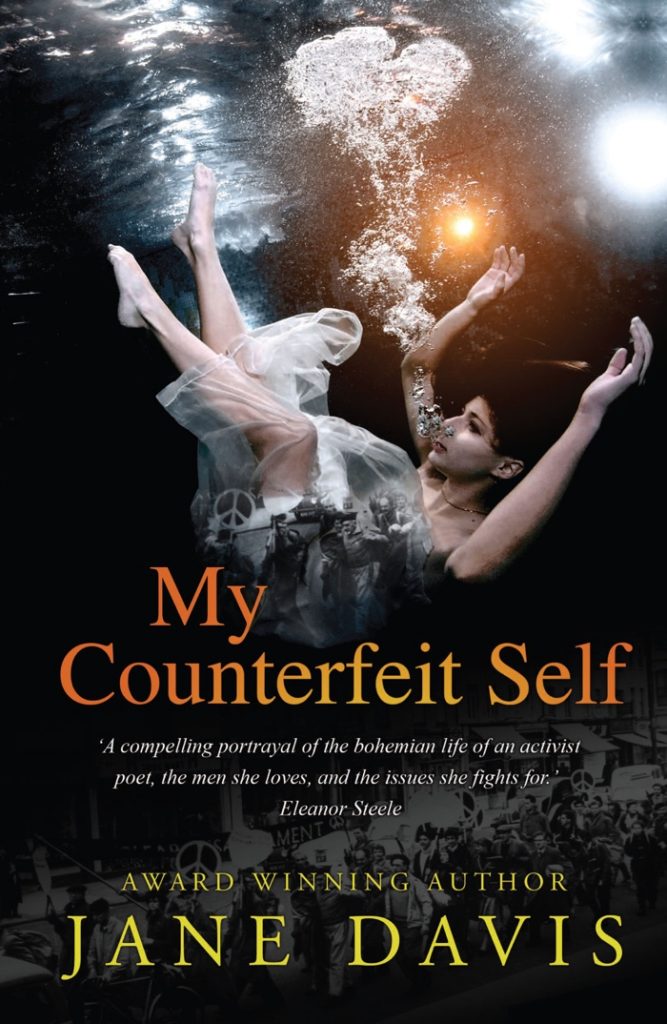
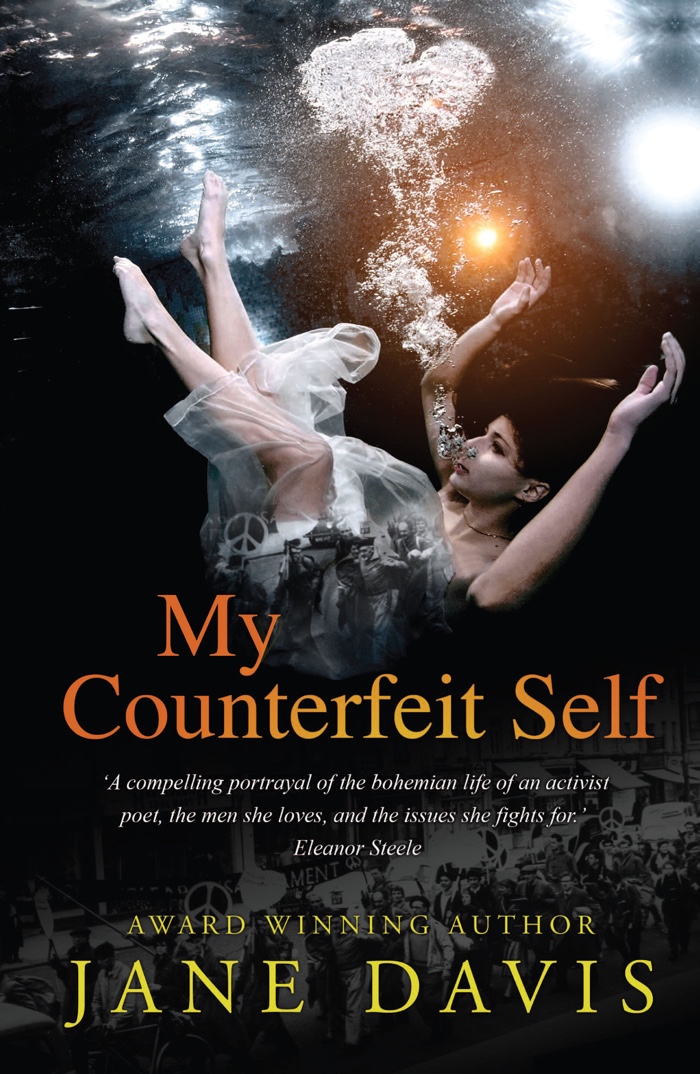
My Counterfeit Self tells the story of a radical poet and political activist called Lucy Forrester. She’s a cross between two great British eccentrics, Edith Sitwell and Vivienne Westwood. Having been anti-establishment all of her life, Lucy is horrified to find that she’s been featured on the Queen’s New Year’s Honours list. To be honest, the idea of writing about the life of a poet came from reader reviews. Several commented that my prose was like poetry. I had no idea if I could actually write poetry but this gave me confidence that I might be able to convince readers that I could see the world as a poet does.
Where does it sit with the rest of your work?
I’m excited by cause and effect and unconventionality in all its forms. I like to write about big subjects and give my characters impossible moral dilemmas. I’ve packed it with those!
What are the things that have shaped Lucy Forrester?
 At the age of nine, Lucy was struck down by polio. With any extended childhood illnesses, the child is set apart, both literally and figuratively. Staring death in the face defines a person, whatever their age. Although she isn’t paralysed, Lucy has that same stubborn determined streak that Roosevelt displayed when he refused to accept the limitations of his disease. The refusal to wear leg braces, to face the world sitting down. She’s looked at differently by family and friends. And, of course, she has to draw on tremendous inner reserves. At the age of nine, Lucy was struck down by polio. With any extended childhood illnesses, the child is set apart, both literally and figuratively. Staring death in the face defines a person, whatever their age. Although she isn’t paralysed, Lucy has that same stubborn determined streak that Roosevelt displayed when he refused to accept the limitations of his disease. The refusal to wear leg braces, to face the world sitting down. She’s looked at differently by family and friends. And, of course, she has to draw on tremendous inner reserves.
Then there is her wonderful governess, Pamela, who responds to her father’s comment that she should be encouraged to do a little light reading by having her read the newspapers, and then teaches her the invaluable lesson that just because something is legal, doesn’t necessarily mean it is right.
There is also the behaviour of her parents. Lucy discovers a trail of betrayals so awful that she no longer feels any sense of duty to live up to their expectations, or to comply with their outdated notions of convention and morality. And that’s not to say Lucy isn’t moral, but she invents her own moral code.
And of course, she meets the two men who will become central to her life – Dominic Marchmont who becomes both her literary critic and on/off lover, and the photographer Ralph who provides her with a sort of stability and security that’s she’s never experienced before. Theirs is the real love story as far as I’m concerned.
Thank you for stopping by, Jane, and good luck with My Counterfeit Self!
You can buy My Counterfeit Self in the following ways:
eBook: https://books2read.com/u/3kZveg paperback: http://amzn.to/2eeR22j
‘A compelling portrayal of the bohemian life of an activist poet, the men she loves, and the issues she fights for.’ ~ Eleanor Steele
Completely gripping, excellently written and so skilfully put together, I can’t recommend My Counterfeit Self highly enough ~ Isabel Wolff, author of Ghostwritten
Connect with Jane: website Facebook Twitter @JaneDavisAuthor Goodreads Amazon Author Page
Alison Morton is the author of Roma Nova thrillers, INCEPTIO, PERFIDITAS, SUCCESSIO and AURELIA. The fifth in the series, INSURRECTIO, was published in April 2016.
Find out more about Roma Nova, its origins, stories and heroines…
If you enjoyed this post, do share it with your friends!
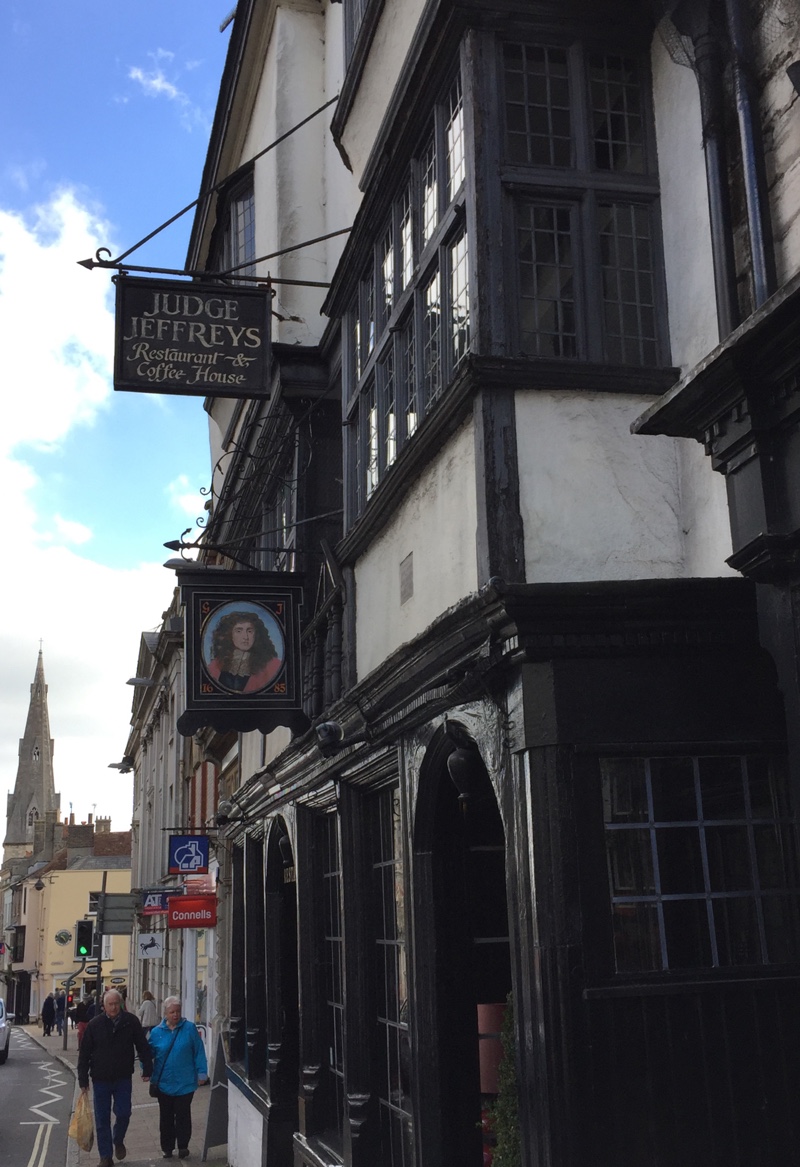
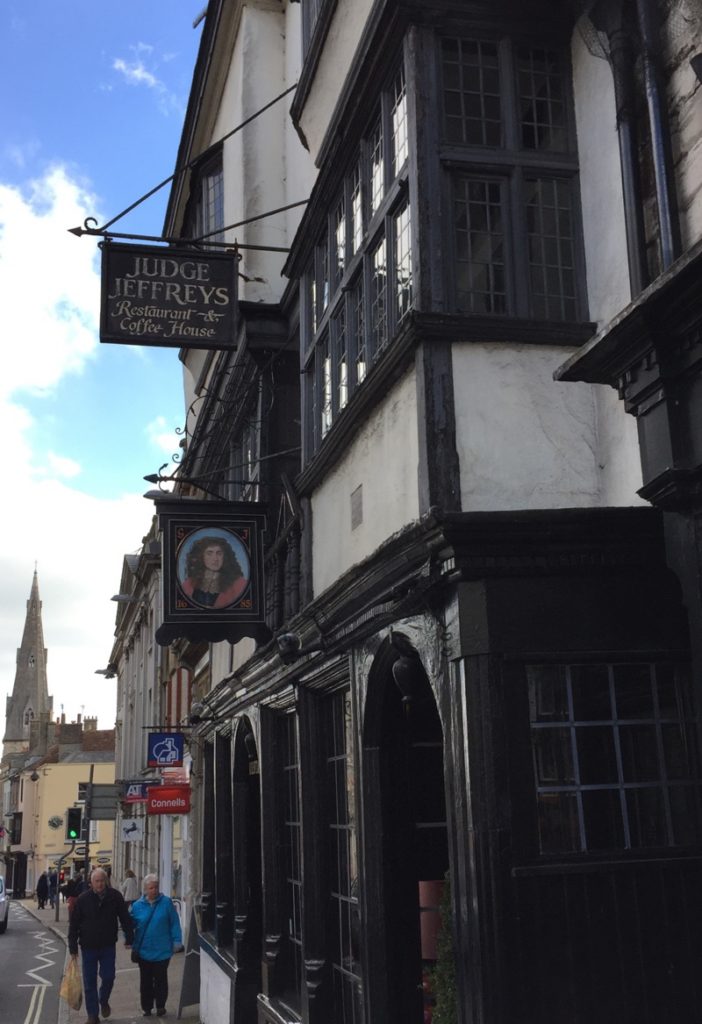 Former site of Judge Jeffreys assize Last month I was in Dorchester for a few days’ writing retreat. The theory is that you concentrate on writing without distraction. But you also talk about writing and compare notes with other writers over meals, and even visit a few writing related places. The sitting muscles become cramped otherwise.
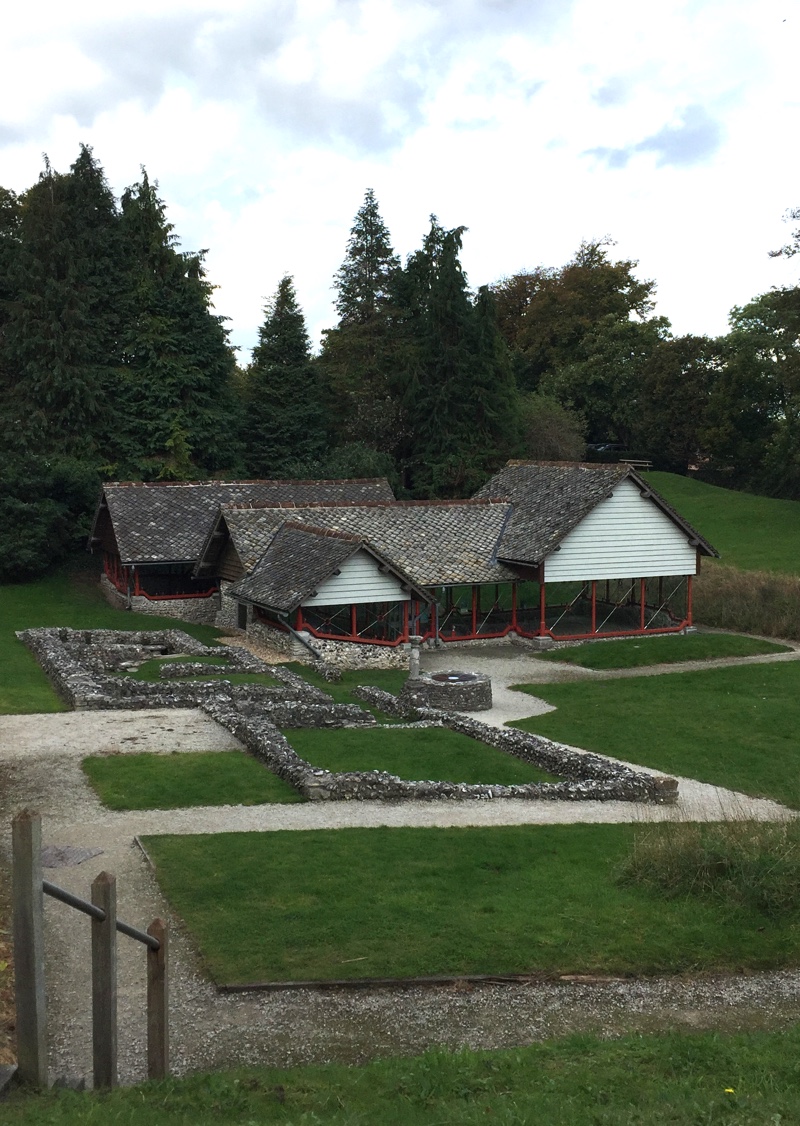
Dorchester is an old town. The area around the town was settled in prehistoric times, it became a Roman garrison and civilian town of Durnovaria complete with an aqueduct and amphitheatre, and developed later into an important commercial and political centre.
Judge Jeffreys presided over the “Bloody Assizes” after the Monmouth Rebellion, and the Tolpuddle Martyrs were put on trial in Dorchester. For many years the town was the home and inspiration of the author Thomas Hardy, whose novel The Mayor of Casterbridge uses a fictionalised version of Dorchester as its setting.
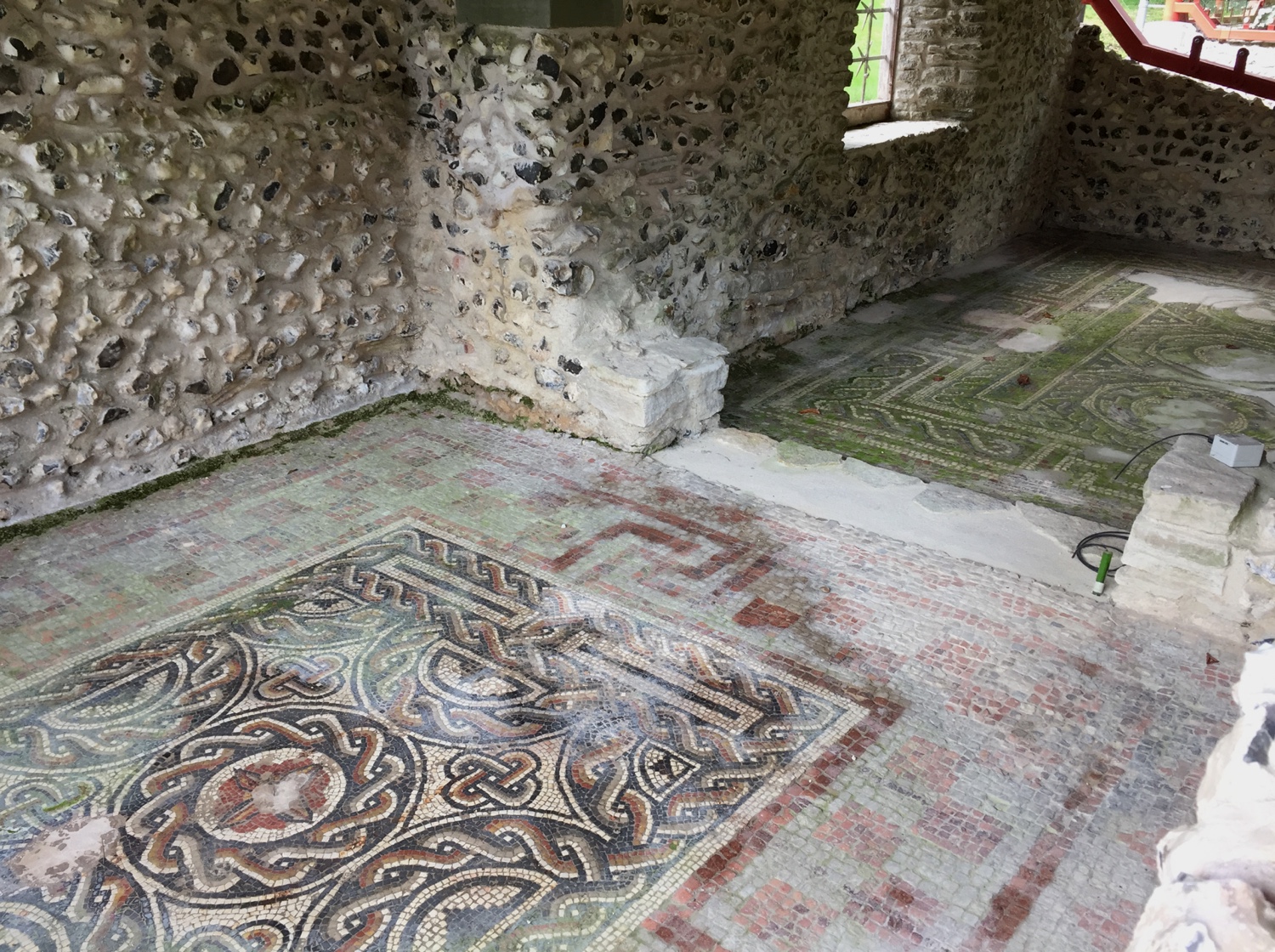
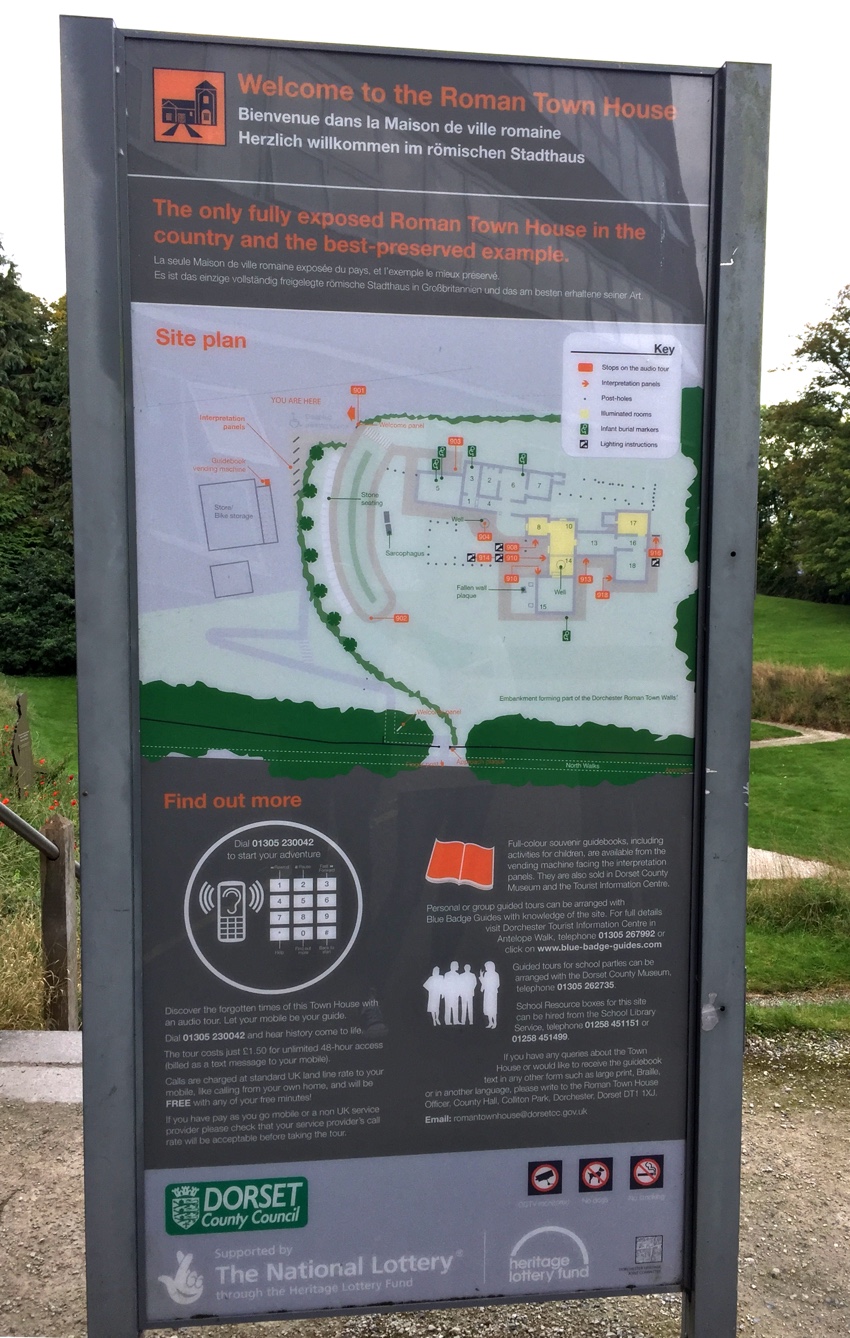
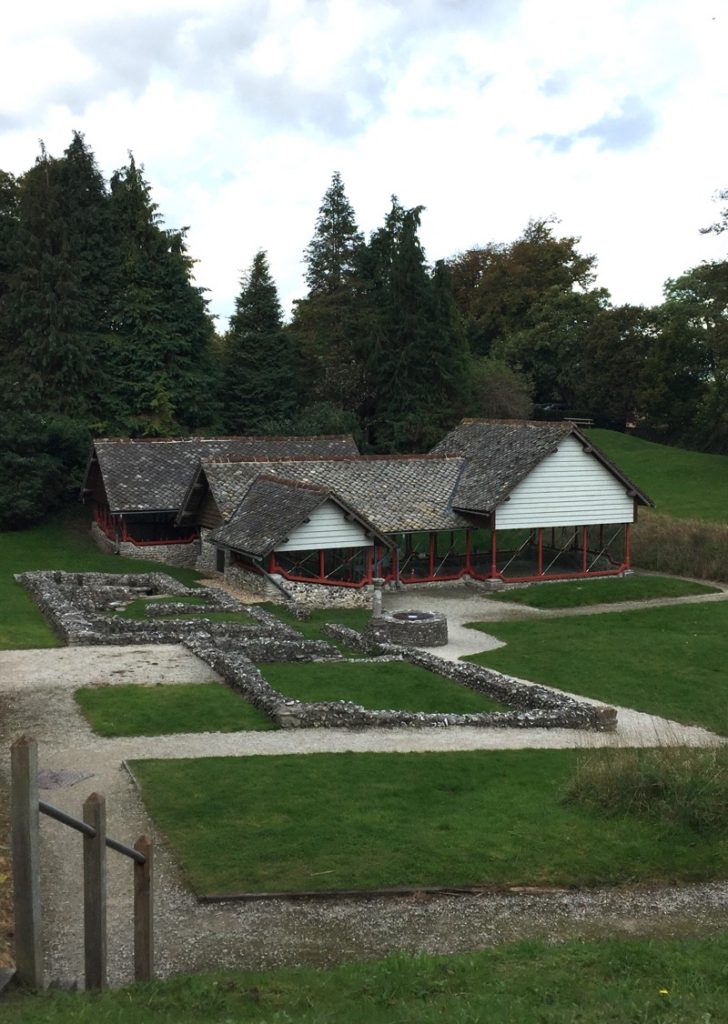 Dorchester Roman House 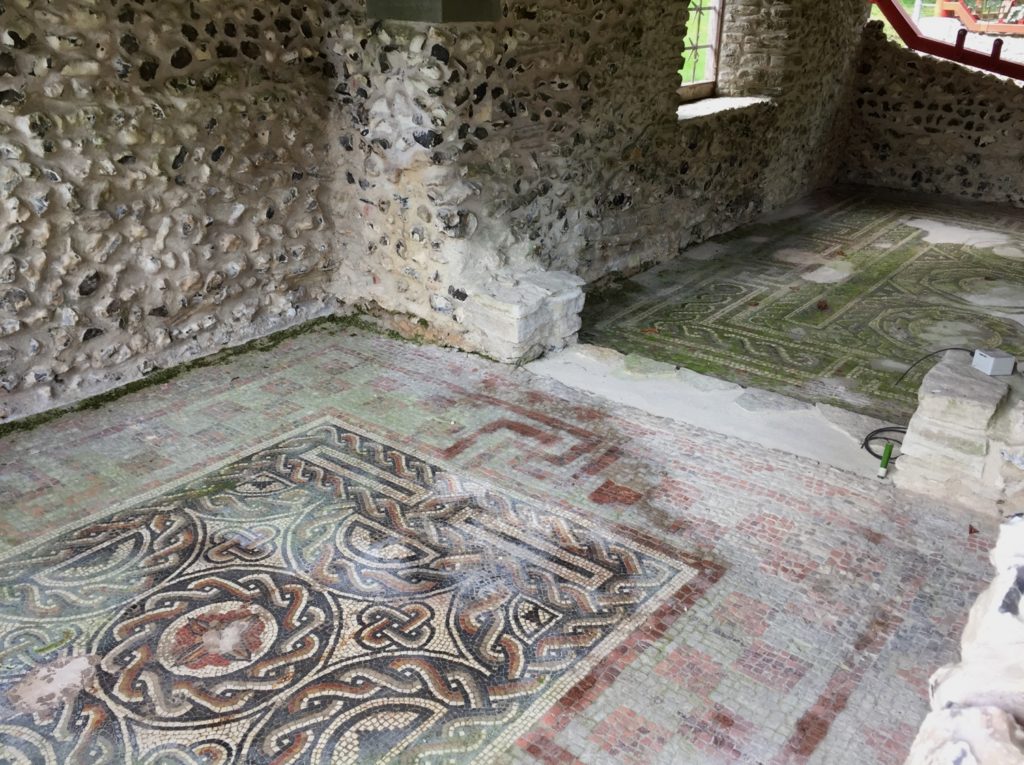 Mosaics at Dorchester Roman House In brief, a lot happened there. For writers, visiting a site in such a place, even ruins, can give a glimpse into past people’s lives. What you see are the same mosaics Romans walked on, spilt drinks on, admired nearly two thousand years ago.
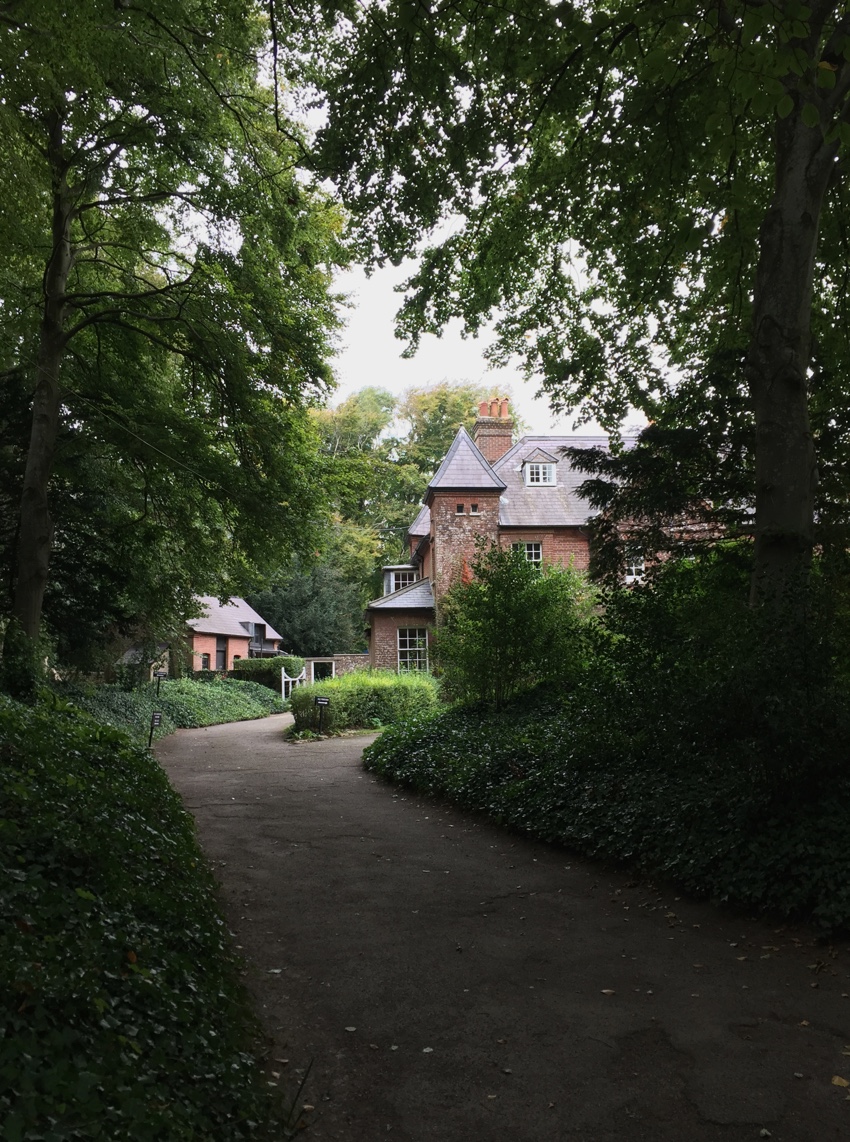
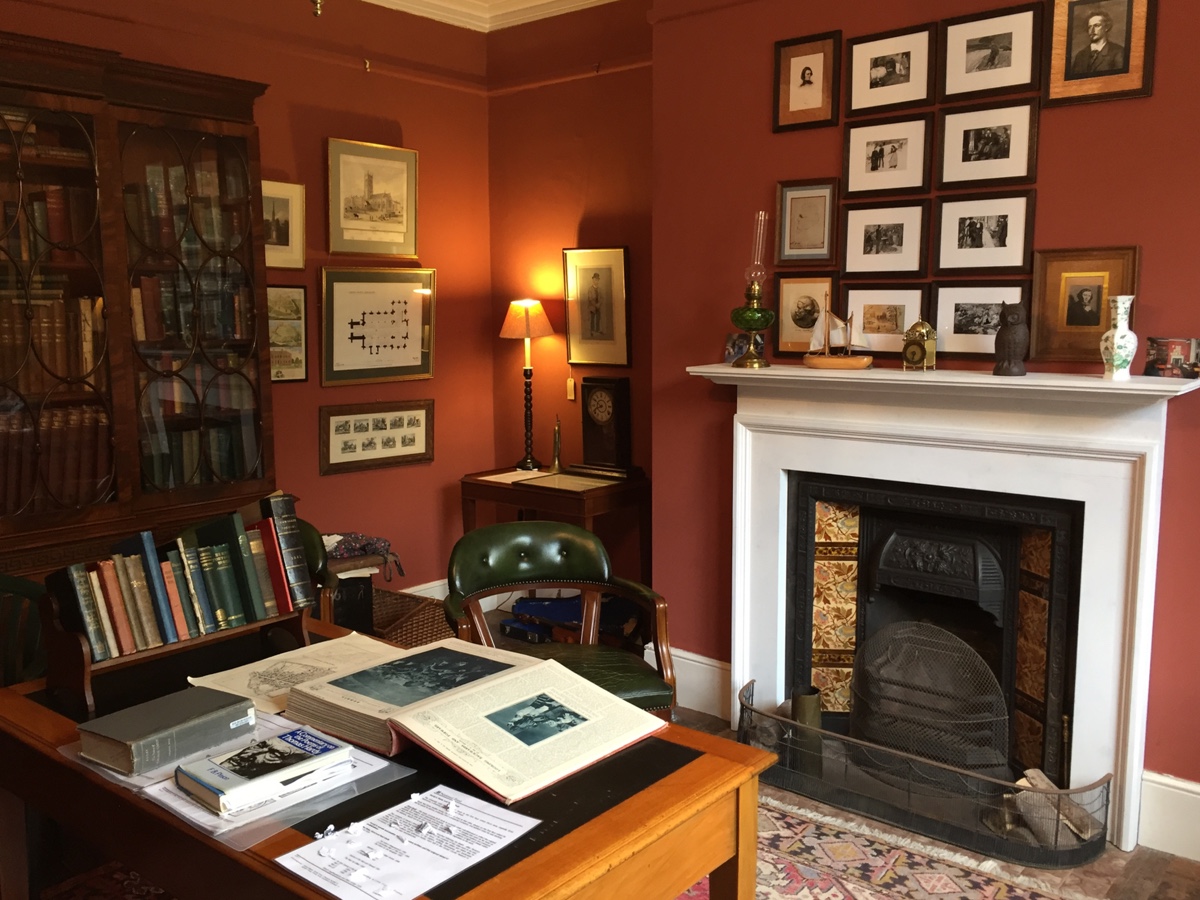
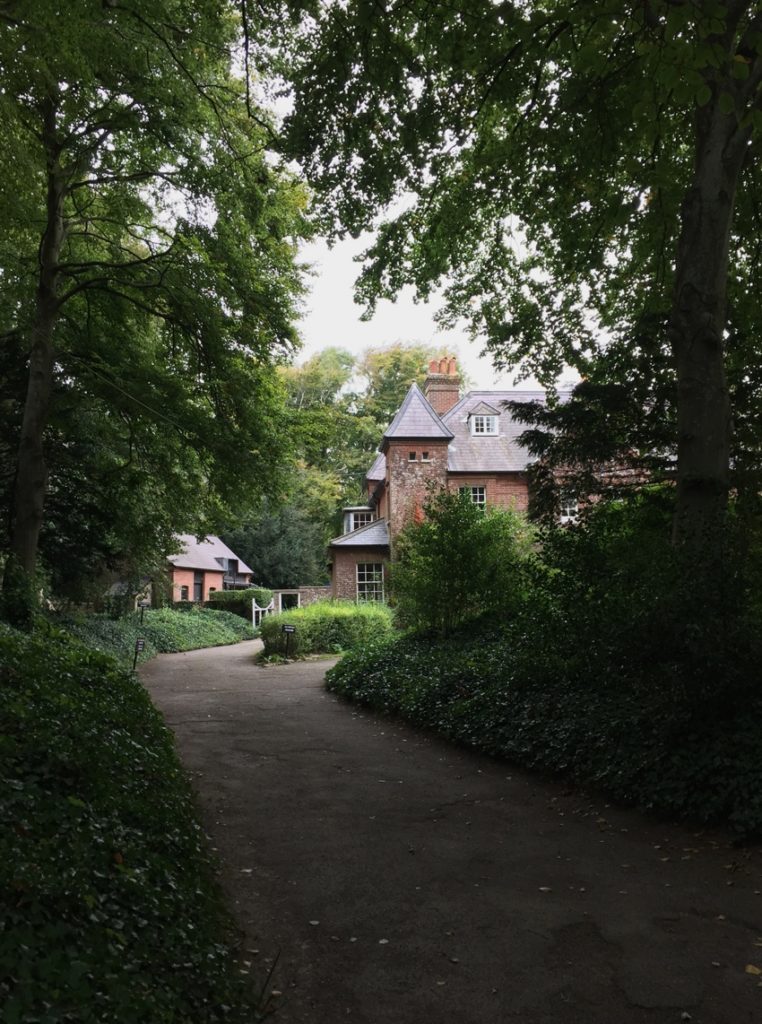 Max Gate, Thomas Hardy’s Gothic house Max Gate, the atmospheric house Thomas Hardy designed himself in 1885, is where he wrote some of his most famous novels, including Tess of the d’Ubervilles and Jude the Obscure, as well as most of his poetry. Seeing his writing desk with its leather covered and brass studded chair in front of a large sectional window looking out onto trees can’t fail to convey the sense of his writing life.
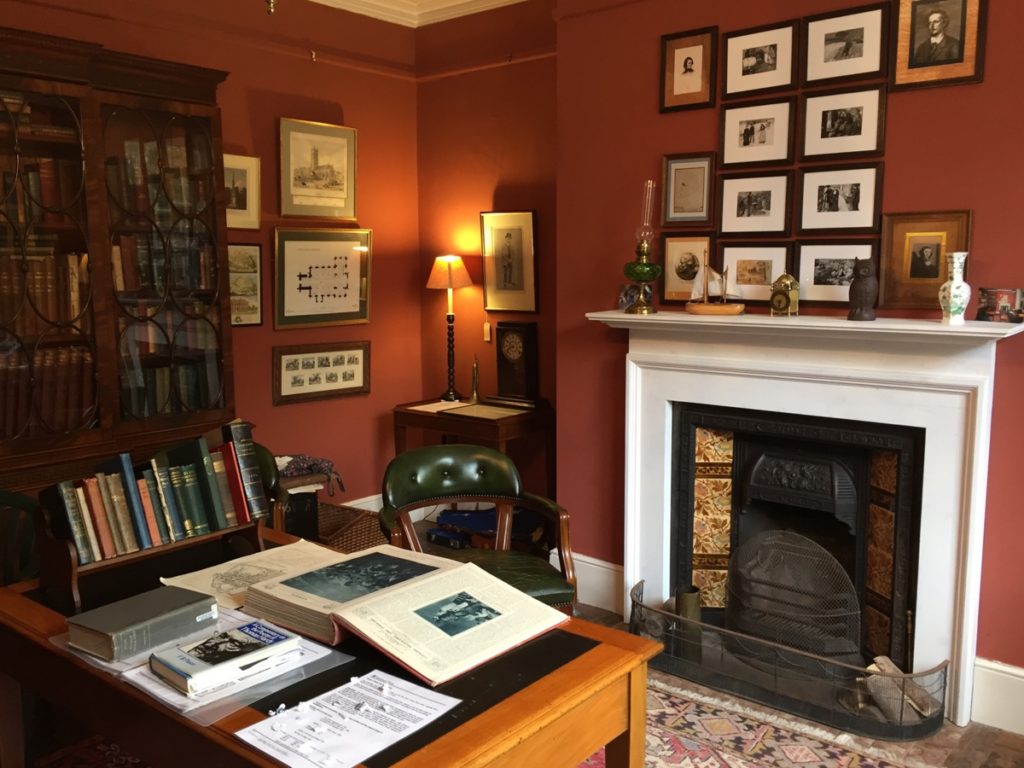 Hardy’s (recreated) study at Max Gate So how do you take best advantage of a ‘site visit’? Prepare well. Look up the directions, opening hours, car parking and refreshment possibilities. With all that sorted out, you can focus on the place itself. Give yourself time to walk round the whole site before you go in. What is the landscape that surrounds it? Open fields, woods, streets? Is it crowded or deserted? Are there roads and tracks that connect it, or signs of older paths and bridleways? And perhaps there’s a river, ponds, lakes or the sea. What does the site smell of, even in 2016? Sea, rotting vegetation, grass, stone, nothing? Is it open and bright or dark, brooding almost sinister? What do you see if you turn your back on the site? Rolling countryside, a stone built harbour, narrow lanes, castle ramparts? And would a Roman/medieval peasant/ Victorian poet/Second World War sailor have seen the same?
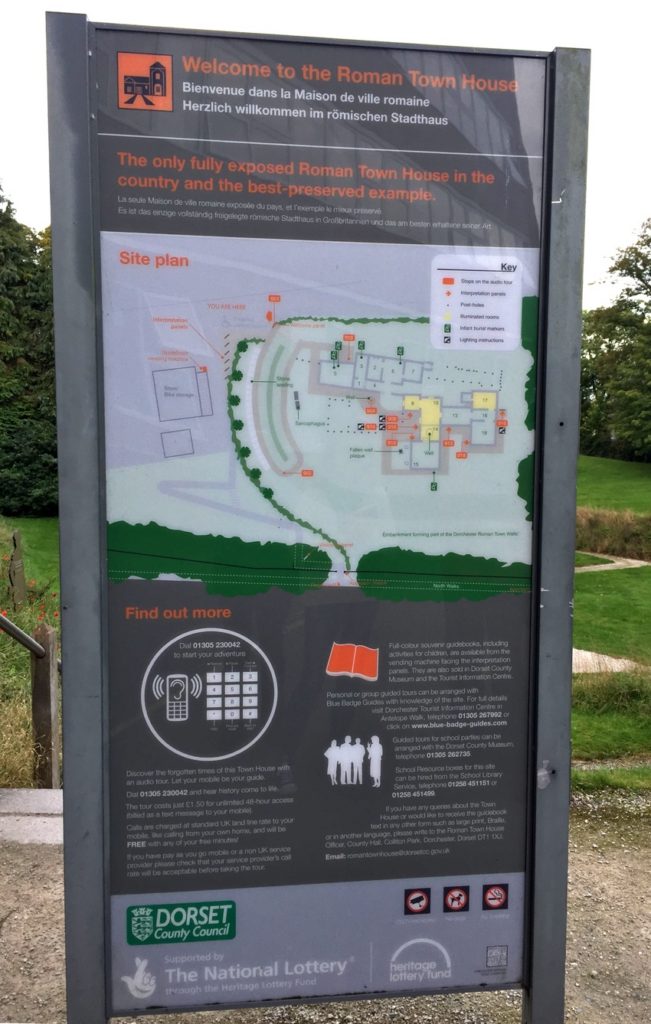 Once inside your site, read all the notices. Most give you excellent information in digestible lumps. Look at everything carefully and individually and talk to any stewards or staff. Jot things down in a notebook and take photos. Touch the walls and objects (if you are allowed to). And don’t be hurried along. Whether you’re in a ruined castle, stately home, or in a First World War trench in France or Belgium, stop for a few moments and shut your eyes. Once inside your site, read all the notices. Most give you excellent information in digestible lumps. Look at everything carefully and individually and talk to any stewards or staff. Jot things down in a notebook and take photos. Touch the walls and objects (if you are allowed to). And don’t be hurried along. Whether you’re in a ruined castle, stately home, or in a First World War trench in France or Belgium, stop for a few moments and shut your eyes.
Take a deep breath and imagine the people living at the time it was occupied. Did they do back-breaking work in a soggy clay field for twelve hours, scrub their hands raw washing the mistress’s clothes, run up the guardhouse stairs to the rampart when the enemy hoved in sight, or play a lute to a sooth a fractious master’s bad temper at being refused an advantageous marriage alliance? Or perhaps they were a rich Roman merchant or administrator taking a cup of Falernian the slave brought theim at the end of a day’s work in Durnovaria?
When you start imagining people’s daily lives in the place, you will start to feel the atmosphere. After a while you could become distracted, even immersed by re-creating their existence in your mind. Yes, you have your notes and photos, but having seen evidence of the lives of people who walked on those flagstones, drew water at that well, used those trade counters, wrote at that desk, you feel sympathy with and even a bond with them. Then it can overwhelm you.
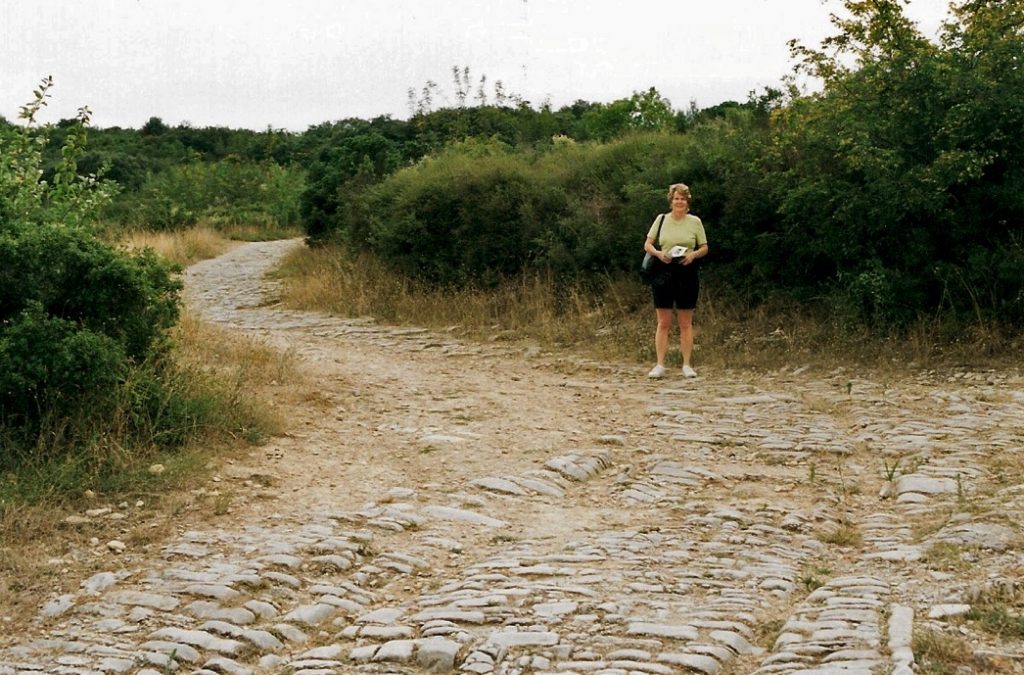
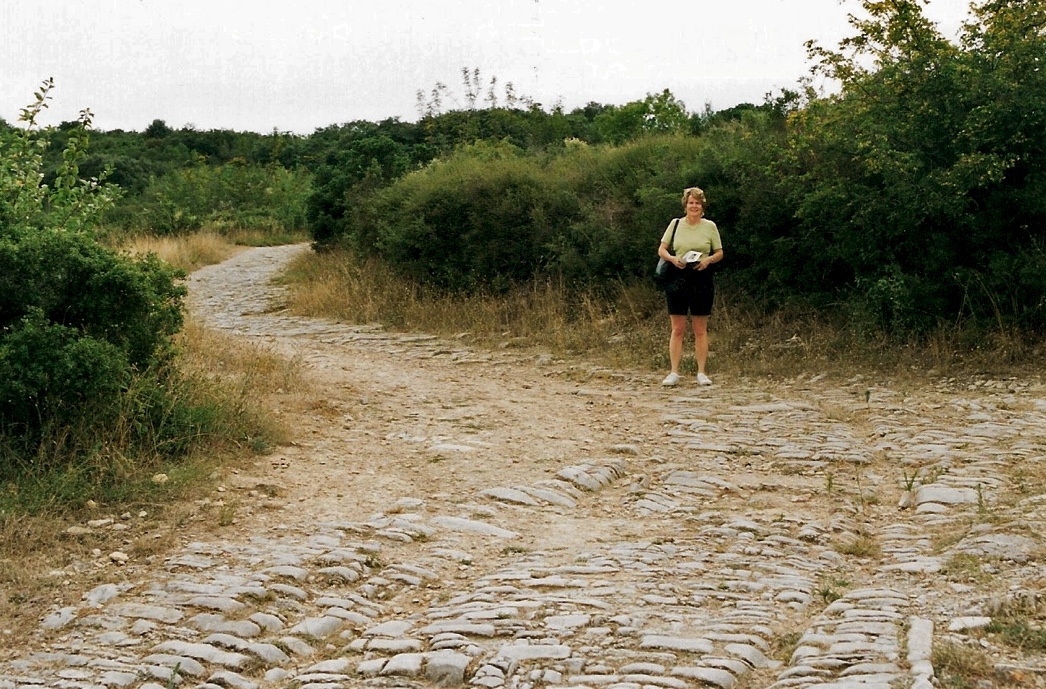
I’ve stood on Roman roads or in a forum or by a temple steps and completely lost my feeling of the present. I’m there, stepping out of the way so a cart or a imperial courier doesn’t run me down, or I don’t get jostled by the crowd listening to a speech from the rostra. or my waist belt pocket picked by some scruffbag from the Subura.
Every time you deliberately re-imagine people’s lives through their things that have survived, the more this feeling seizes hold of you. The next time you go to another place where people have lived in the past, you will walk into that world without thinking about it.
Am I a little deranged, or do you do this too?
Alison Morton is the author of Roma Nova thrillers, INCEPTIO, PERFIDITAS, SUCCESSIO and AURELIA. The fifth in the series, INSURRECTIO, was published in April 2016.
Find out more about Roma Nova, its origins, stories and heroines…
If you enjoyed this post, do share it with your friends!
 Today, I’m delighted to welcome Ruth Downie back to the Roma Nova writing world. She’s talked before about historic truth and donkey poo, and wrote a poignant account ‘from below’ at the court of Boudica as part of A Year of Ravens. Of course, Roma Novans know her as the name on the endorsement for AURELIA. Today, I’m delighted to welcome Ruth Downie back to the Roma Nova writing world. She’s talked before about historic truth and donkey poo, and wrote a poignant account ‘from below’ at the court of Boudica as part of A Year of Ravens. Of course, Roma Novans know her as the name on the endorsement for AURELIA.
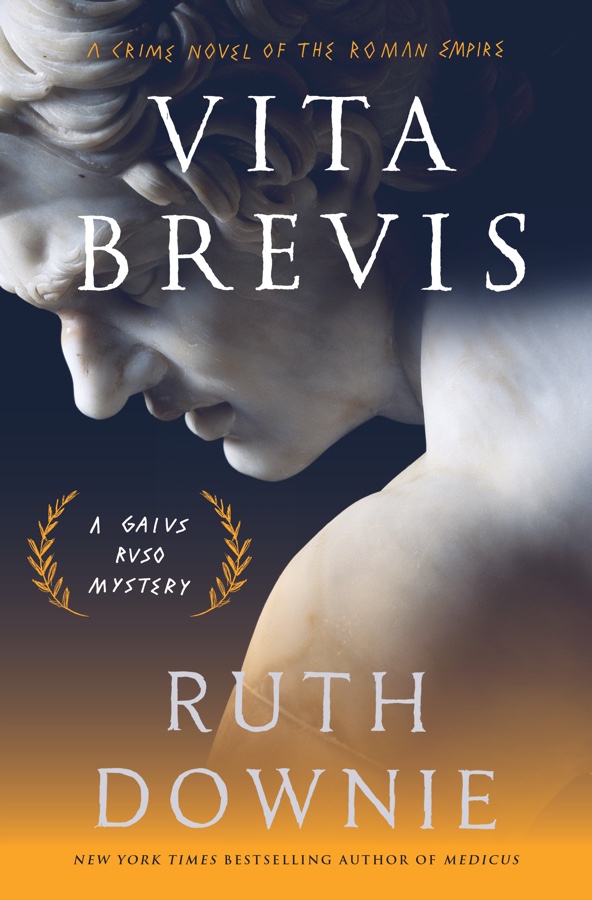
In 2004 Ruth was one of the winners in a televised short story competition, and the BBC’s threat to come back and see how her writing was going spurred her to finish her abandoned crime novel about a Roman army medic. To her great surprise that book—‘Medicus’—became a New York Times bestseller and The Times recommended it as one of their ‘Seven best thrillers for Christmas’. ‘Vita Brevis’, the seventh book in the acclaimed series, was published just recently. When she isn’t writing, Ruth’s happiest moments are spent grovelling in mud with an archaeological trowel.
Salve Ruth! Do tell us why you wrote VITA BREVIS!
Neither of my lead characters, Roman army doctor Ruso and his British partner, Tilla has ever been to Rome before (lots of ‘Roman’ citizens were born and died without ever seeing it) and I thought it would be fun to see what they made of it. Of course, there was a research trip involved, which helped… (Any excuse!)
Why do you think Ruso is like he is?
Poor old Ruso: he’s a man burdened with guilt. He’s the eldest son, but in following his own interests and becoming a doctor, he’s not only shocked his late father but landed his brother with the burden of the family farm — and the family. Perhaps he’s trying to make up for that guilt when he finds it very hard to say ‘no’ – to his patients, his woman, and to people who insist on presenting him with dead bodies and expecting him to do something about them. But if he doesn’t, who will?
Surrounded by men of ambition, he’s too honest to imagine himself as a success. The advances of modern medicine lie a long way in the future and like every other reputable doctor of his time, he’s aware that Fortune can be fickle and that there’s a huge amount he simply doesn’t know. Which is why charlatans who mislead patients with impossible promises make him very angry indeed.
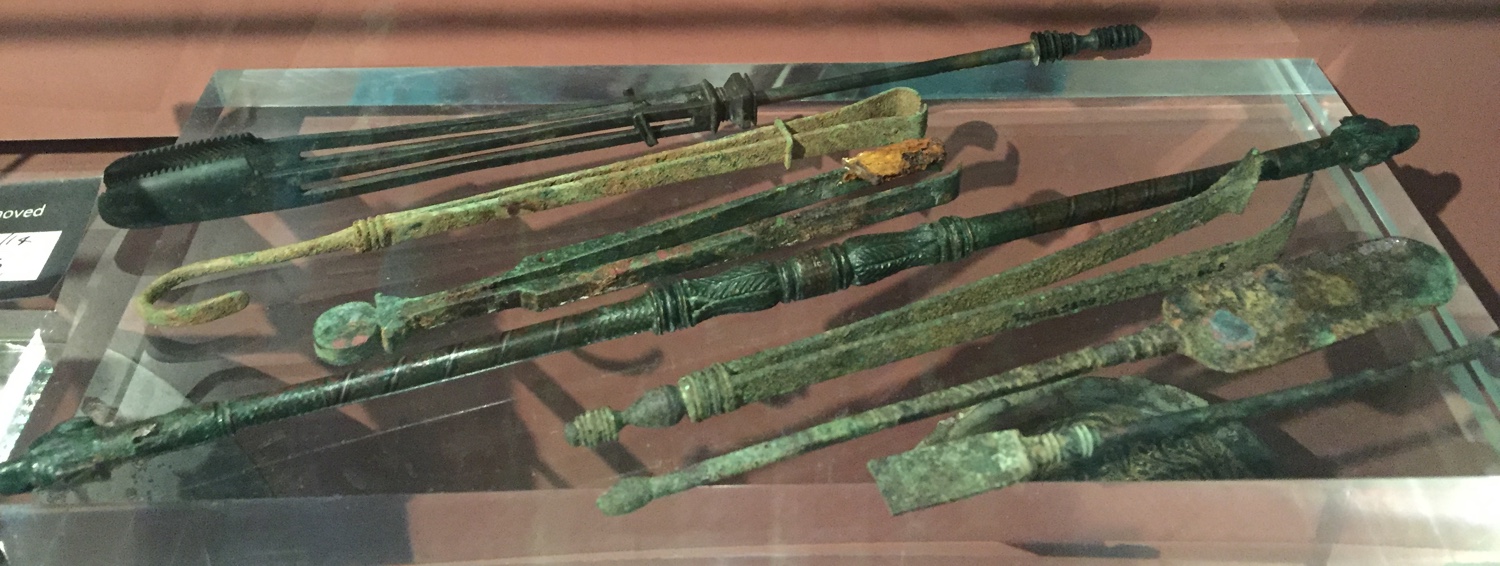
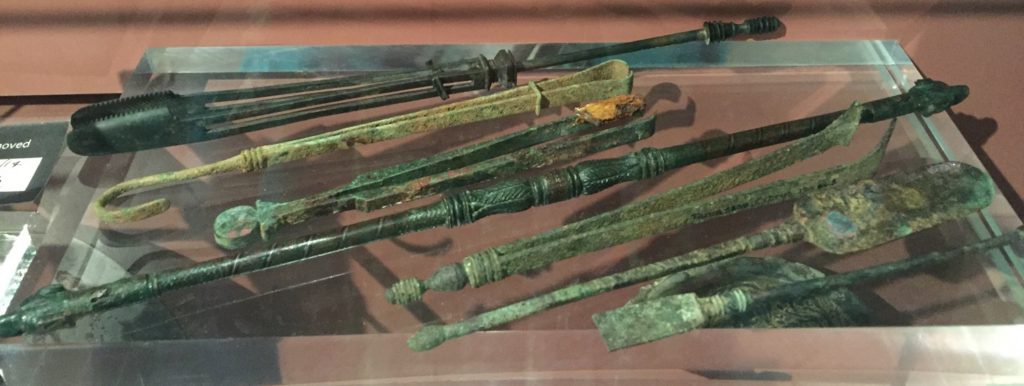 Roman medical instruments, Ashmoleon Museum What does he think he’s like?
Ruso sees himself as a man who’s doing his best in trying circumstances. He’s baffled by religion — especially his wife’s insistence on believing anything and everything — and tries to take consolation in philosophy, but people will keep interrupting.
He finds that being married to a native gives him useful insights into the minds of the Britons, which are not as clouded as his compatriots tend to assume. However, as the civilized member of the marriage he feels he has a duty to defend the superior values of Rome. This is more of a challenge than it needs to be because of Tilla’s stubborn insistence on asking awkward questions.
He’s not entirely comfortable in the company of women, having a vague suspicion they all know something he doesn’t. Being married to Tilla has helped with this, because he’s now beginning to think that whatever it is, Tilla doesn’t know it either.
Of one thing, though, he is certain. Every man has his limits. No matter what anyone else says, he is not going to make room for any more waifs, strays, unwanted slaves or other people’s unplanned babies. The Petreius household is full. (Oh, yes?)
What waits for us in Vita Brevis?
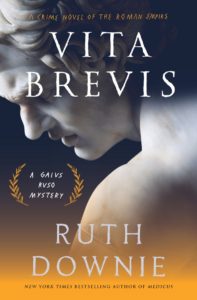 Ruso and Tilla and their new baby daughter have left Roman-occupied Britain for Rome itself. Their excitement is soon dulled by the discovery that the grand facades of polished marble mask an underworld of corrupt landlords and vermin-infested tenements. There are also far too many doctors—some skilled, but others positively dangerous. Ruso and Tilla and their new baby daughter have left Roman-occupied Britain for Rome itself. Their excitement is soon dulled by the discovery that the grand facades of polished marble mask an underworld of corrupt landlords and vermin-infested tenements. There are also far too many doctors—some skilled, but others positively dangerous.
Ruso thinks he has been offered a reputable medical practice only to find that his predecessor Doctor Kleitos has fled, leaving a dead man in a barrel on the doorstep and the warning, “Be careful who you trust.”
With Ruso’s reputation under threat, he and Tilla must protect their small family from Doctor Kleitos’s debt collectors and find allies in their new home while they track down the vanished doctor and find out the truth about the unfortunate man in the barrel.
******************
“Masterfully draws out its suspense, painting a vivid portrait of ancient Rome that feels persuasive and authentic”
—Kirkus Reviews
“Downie’s plotting is as engaging as ever… much more than a mystery novel”
—Historical Novel Society
“Reading Vita Brevis felt like catching up with old friends”
—Italophile Book Reviews
******************
Buying links: Amazon UK Book Depository Amazon US
Connect with Ruth: Website Twitter @RuthSDownie Facebook
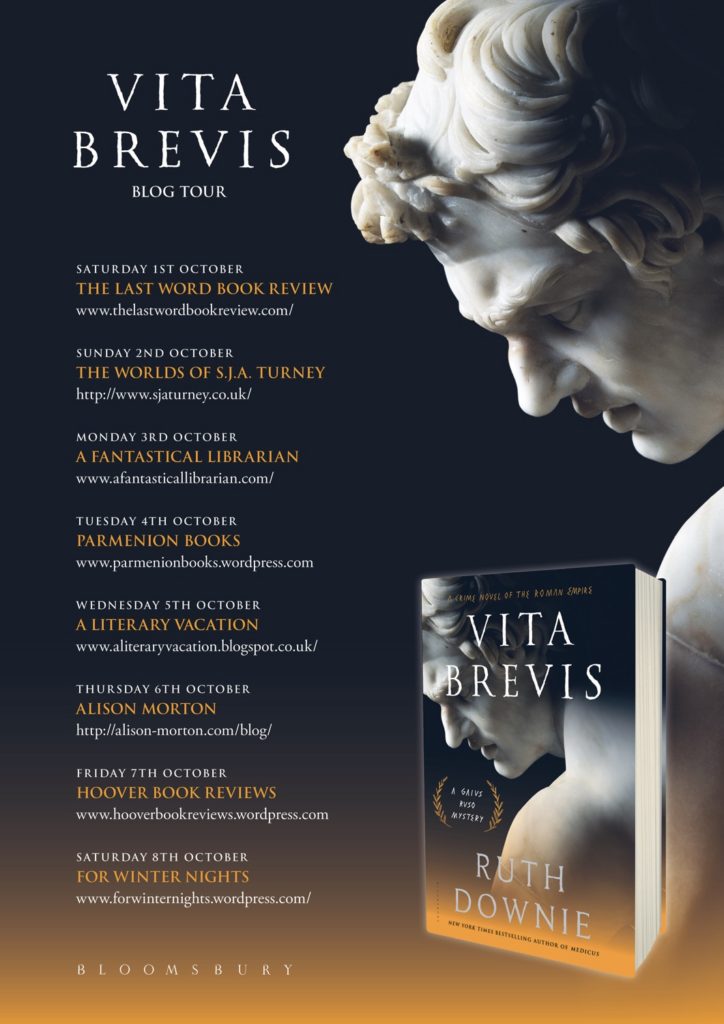
Thank you so much for stopping by today, Ruth and bona fortuna on the rest of your blog tour. Speaking of which, here is the onward route that Ruso and Tilla are taking…
Alison Morton is the author of Roma Nova thrillers, INCEPTIO, PERFIDITAS, SUCCESSIO and AURELIA. The fifth in the series, INSURRECTIO, was published in April 2016.
Find out more about Roma Nova, its origins, stories and heroines…
If you enjoyed this post, do share it with your friends!
STOP PRESS: video added below!
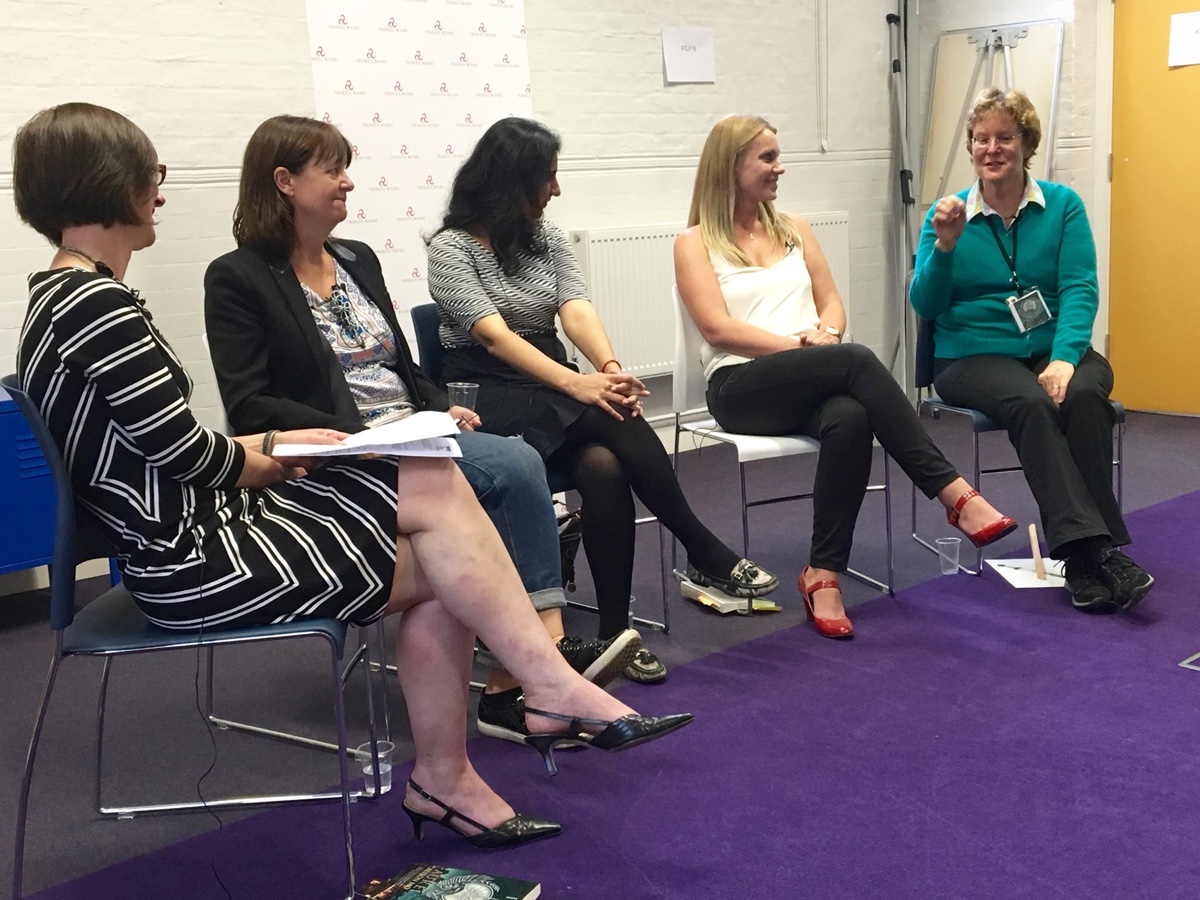
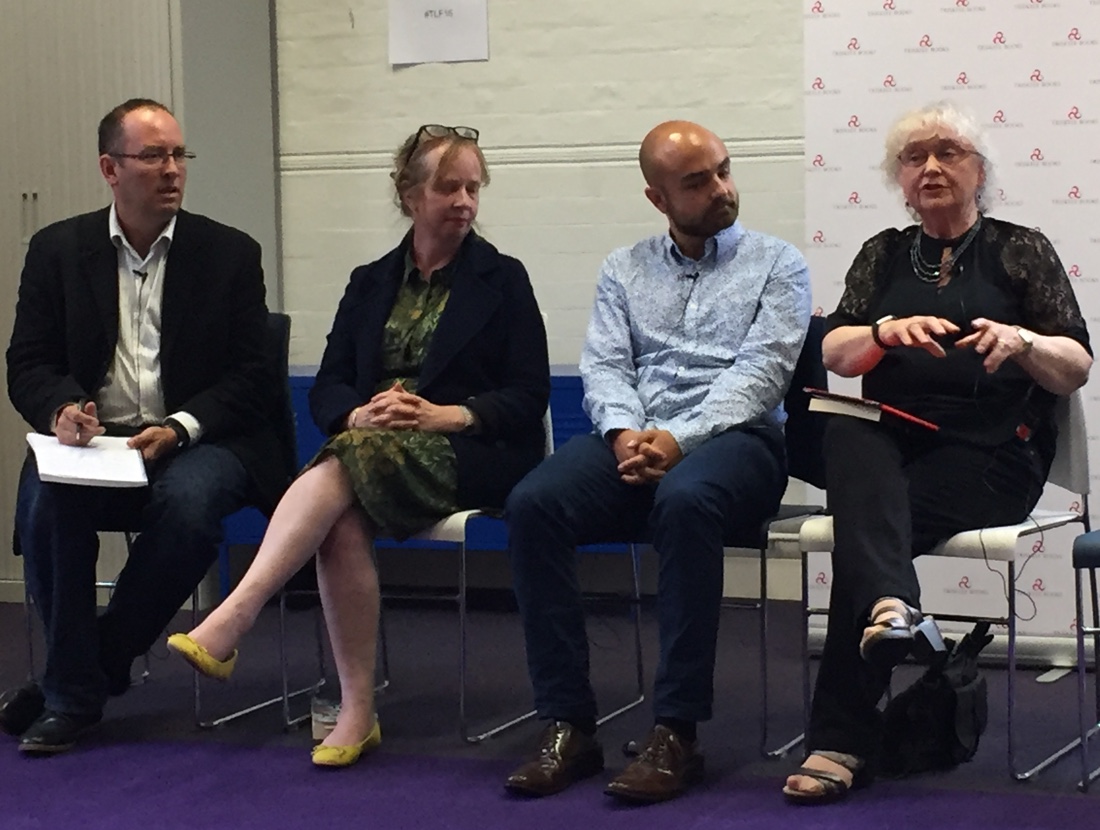
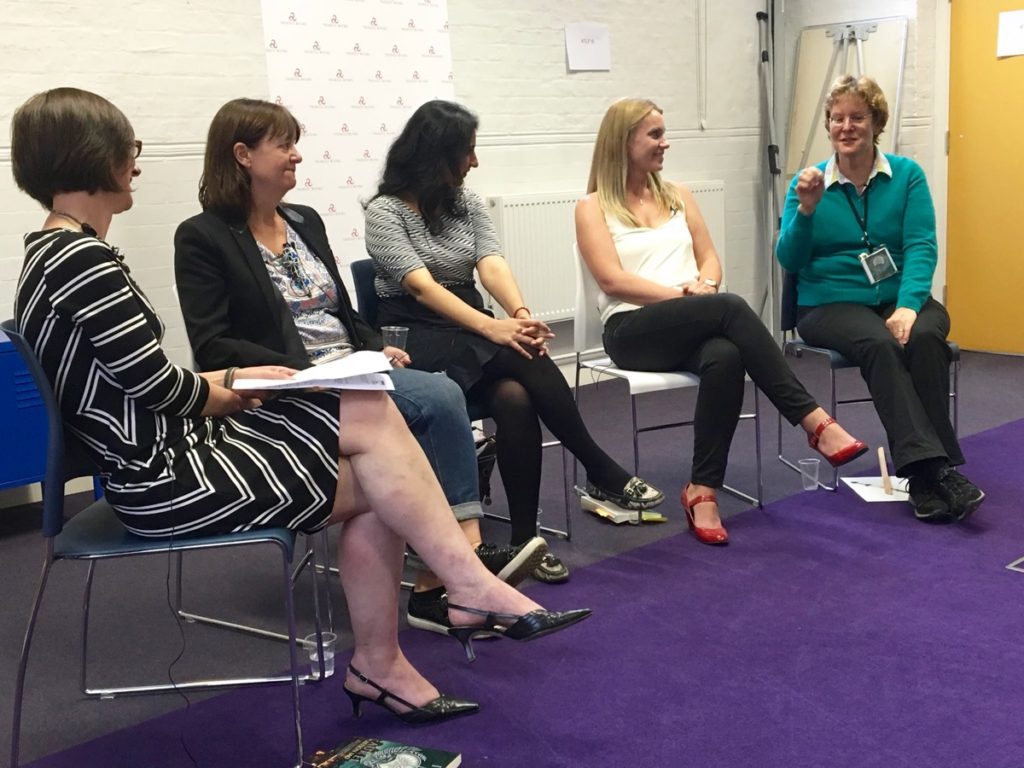 The historical fiction panel, left to right Jane Davis (chair) Orna Ross, Radhika Swarup, J D Smith and me (see video of session below!) Scarcely recovered from the Historical Novel Society Conference, I was back on the plane ten days later en route to a rainy London and going to a very different event. Not in the glamour of the hi tech Maths Institute of the University of Oxford, but in a vibrant, but modest community centre in north London. Not with the ‘big beasts’ of the historical fiction world like Tracy Chevalier and Melvyn Bragg, but amongst some of the best genre-busting, dynamic authors on the independent scene and their trade colleagues.
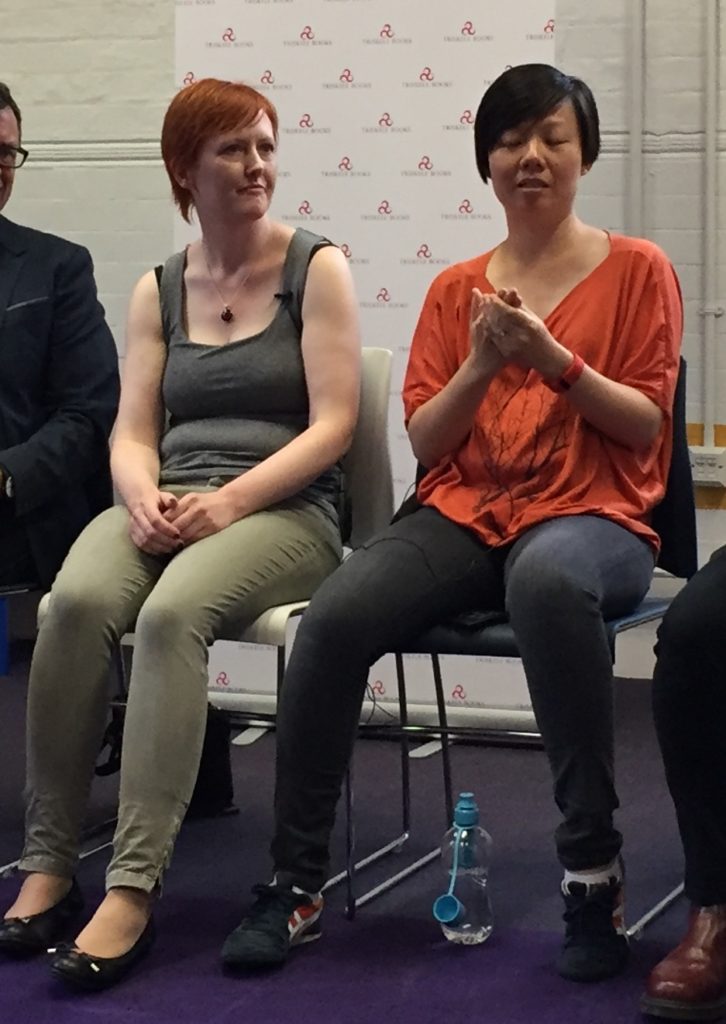 Eliza Green and Yen Ooi, sci-fi panel A free-entry festival, it attracted readers, writers, bookclubs and booksellers : all those who love the adventure of reading.
There were panels on romance, sci-fi, historical fiction crime & thrillers and literary fiction where trade, indie and small press shared the same platform. As well as sponsors’ tables and their affable representatives, there was a huge pop-up bookshop with a dedicated area for speakers’ books plus tables for other indie books and and the Alliance of Independent Authors. That room filled with talk about writing and selling !
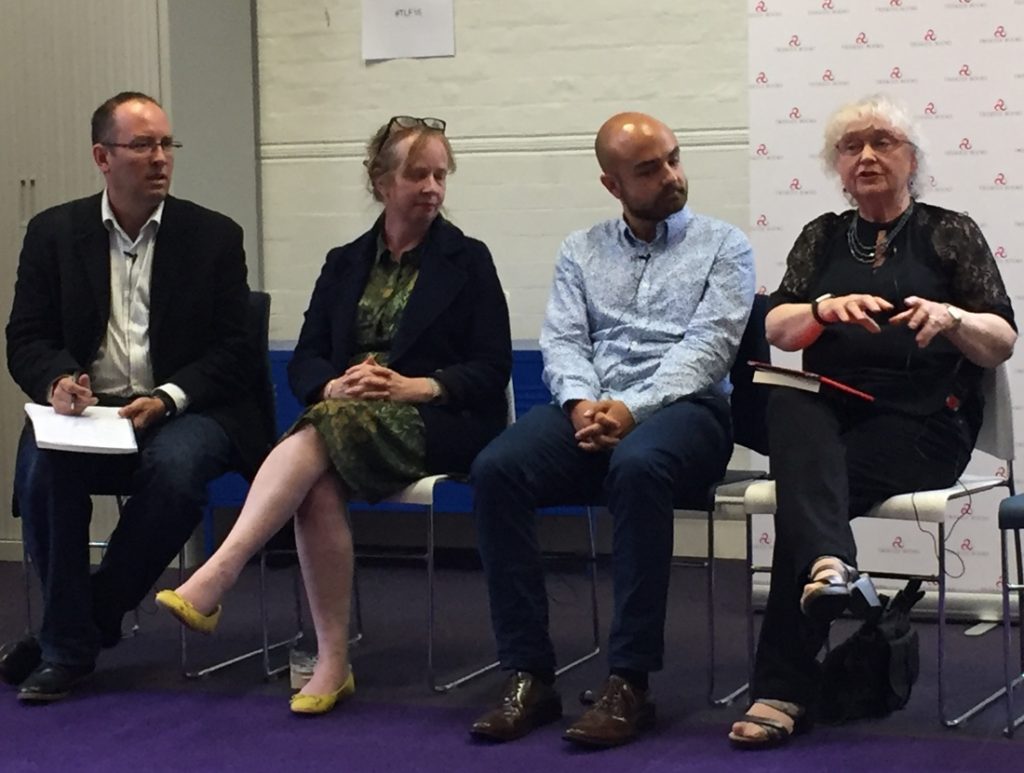 Ben Cameron, Kate Hamer, Adam Croft and Chris Longmuir talking crime and thrillers I took part on the historical fiction panel (top photo, thank you, Henry Hyde!) with Radhika Swarup, JD Smith and Orna Ross very ably chaired by Jane Davis who asked some penetrating questions about identity, historical relevance, boundaries, language and what historical fiction means. Our answers led to some lively and revealing discussions!
You can now watch on video (https://youtu.be/5HqVkEHFvFE) or below. The bit at 21.45 minutes is quite amusing…
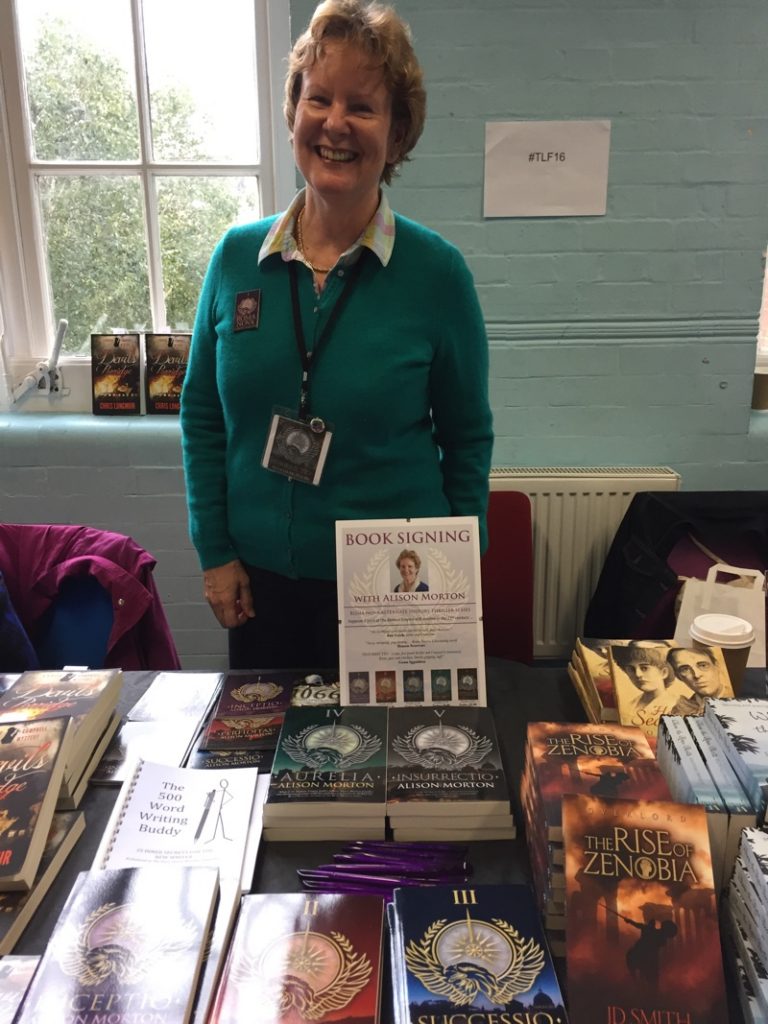
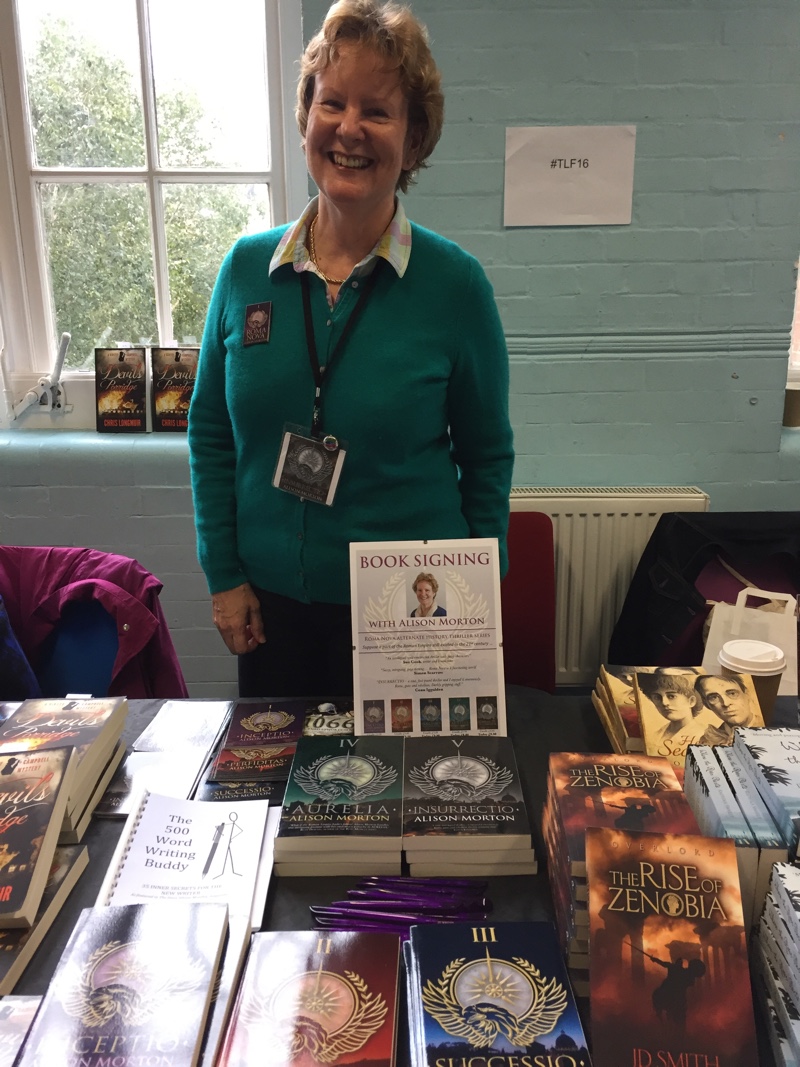
Of course, the Roma Nova novels were with me – I pack them very carefully for the plane. And I sold some 500 Word Writing Buddy copies, too!
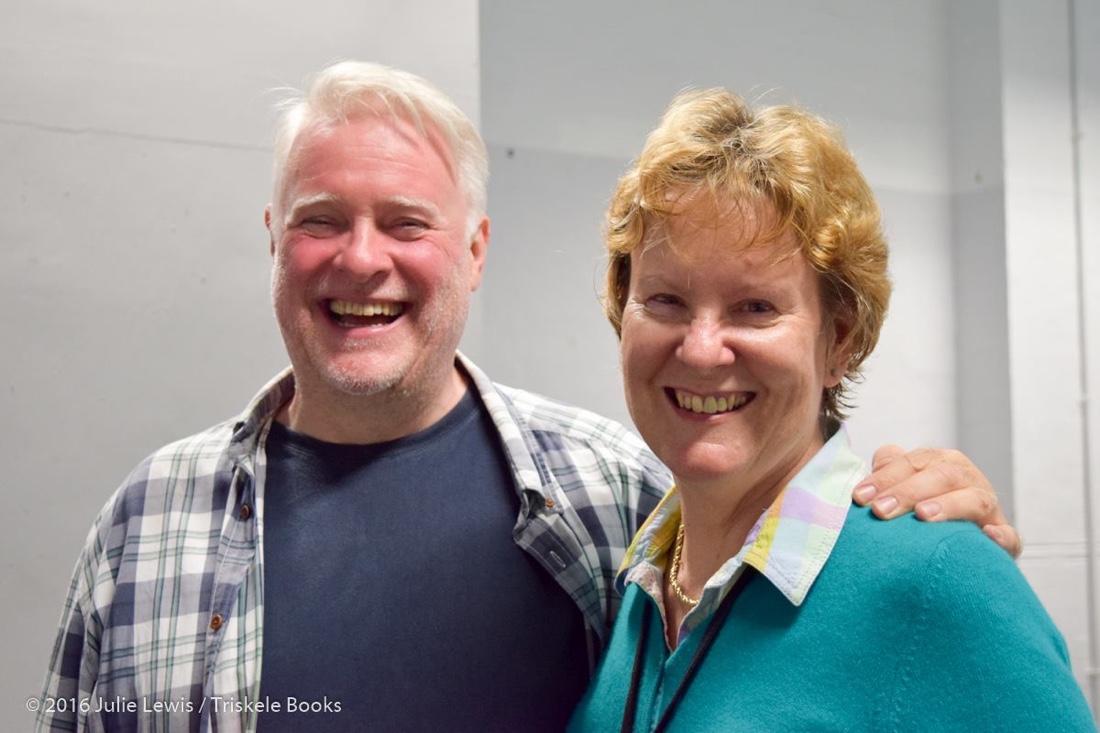
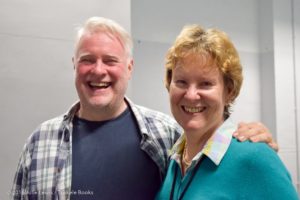 With Henry Hyde (Photo courtesy of Julie Lewis)
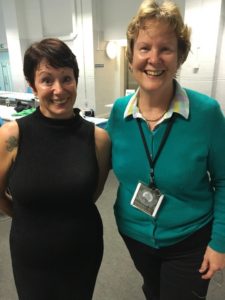 With photographer Julie Lewis
This was one of the best organised and friendliest events I’ve been to. Speakers were looked after, panels ran (mostly) to time, audiences asked excellent questions.
Above all, this litfest was FUN. And after the panels were finished, we all stayed for a glass of fizz!
Alison Morton is the author of Roma Nova thrillers, INCEPTIO, PERFIDITAS, SUCCESSIO and AURELIA. The fifth in the series, INSURRECTIO, was published in April 2016.
Find out more about Roma Nova, its origins, stories and heroines…
If you enjoyed this post, do share it with your friends!
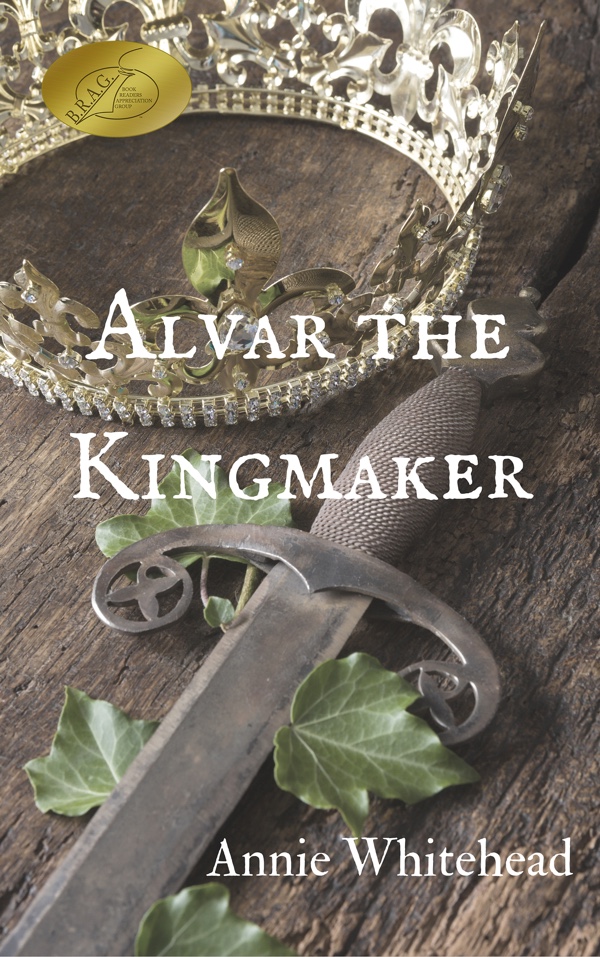
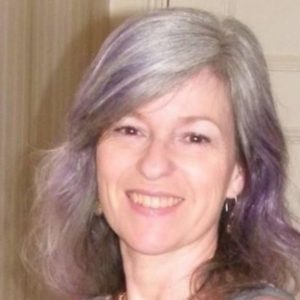 Today, my guest is Annie Whitehead,. Her first novel, To Be A Queen, the story of Aethelflaed, daughter of Alfred the Great, was long-listed for the Historical Novel Society’s 2016 Indie Award and has been awarded a B.R.A.G. Medallion. Alvar the Kingmaker has also just been award the B.R.A.G. Medallion. She has twice been a prizewinner in the Mail on Sunday Novel Writing competition, she won first prize for nonfiction in the new Writing Magazine Poetry and Prose competition and had articles published in various magazines on a wide range of topics. She is an editor for the English Historical Fiction Authors’ blog, and, most recently, contributed to the short story anthology, 1066 Turned Upside Down, in which nine authors re-imagine the events of 1066. Delighted to say it’s just been selected as HNS Indie Editors’ Choice and long-listed for the 2017 HNS Indie Award. Today, my guest is Annie Whitehead,. Her first novel, To Be A Queen, the story of Aethelflaed, daughter of Alfred the Great, was long-listed for the Historical Novel Society’s 2016 Indie Award and has been awarded a B.R.A.G. Medallion. Alvar the Kingmaker has also just been award the B.R.A.G. Medallion. She has twice been a prizewinner in the Mail on Sunday Novel Writing competition, she won first prize for nonfiction in the new Writing Magazine Poetry and Prose competition and had articles published in various magazines on a wide range of topics. She is an editor for the English Historical Fiction Authors’ blog, and, most recently, contributed to the short story anthology, 1066 Turned Upside Down, in which nine authors re-imagine the events of 1066. Delighted to say it’s just been selected as HNS Indie Editors’ Choice and long-listed for the 2017 HNS Indie Award.
A very warm welcome, Annie. Do tell us why you wrote this book!
It was a footnote, a single sentence, and it intrigued me…
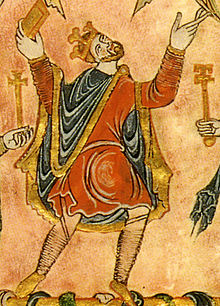
Alvar, or Aelfhere to give him his Old English name, was a powerful noble during a relatively peaceful part of the tenth-century. He was described by one chronicler as the ‘mad blast of wind from the western territories’. He certainly got angry, and he certainly annoyed the Church (and thus, the chroniclers) but the same chronicler also called him a ‘glorious earl’. So why the contradiction?
I wanted to know more about this man and I wanted to write a book about him. My tutor, Ann Williams, had written a paper on Aelfhere and his illustrious family, and I still have my copy, over thirty years later.
In it, there is a footnote, about a woman, a widow, who had been deprived of lands in Aelfhere’s earldom after his death. It is the only reference to this woman, and it seemed possible, though not provable, that she was his widow.
The history had already offered up murder, dirty politics, sexual scandal and betrayal, as well as disaster (the collapse of a government building with great loss of life). Now, it had offered me a story, and a love story at that.
Who was this man, who was loathed yet admired, and who was this mystery woman?
Why do you think Alvar is like he is?
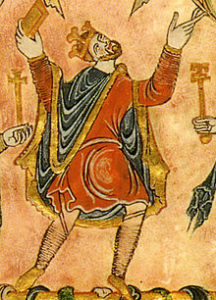 The story begins with a broken oath – why did Alvar break his vow but then remain so loyal thereafter? The previous king was profligate and Alvar realised this. He saw strength in King Edgar, who proved to be a formidable ruler; earning the epithet ‘peaceable’ was no mean achievement in these volatile times. When his beloved king died, Alvar’s frustration with his enemies boiled over, and of course the king was not there to rein him in. The story begins with a broken oath – why did Alvar break his vow but then remain so loyal thereafter? The previous king was profligate and Alvar realised this. He saw strength in King Edgar, who proved to be a formidable ruler; earning the epithet ‘peaceable’ was no mean achievement in these volatile times. When his beloved king died, Alvar’s frustration with his enemies boiled over, and of course the king was not there to rein him in.
Despite how the story begins, ‘loyalty’ is the watchword:
He remained childless, there’s no record of his marriage. If that tiny footnote can lead us to the supposition that the mystery woman was his ‘widow’, then he sacrificed a great deal of personal happiness in order to serve his king.
He earns a reputation as a ladies’ man, lacking in social graces and not keen to settle down. Yet few know of his heartache and his bluster is just that – a way of hiding his feelings. Perhaps he hides them too well – he sees himself as the queen’s protector, but she thinks his feelings go much deeper…
With the queen accused of regicide, and the country at civil war, Alvar becomes the consummate politician, brokers a peace, and secures the succession.
From ‘mad blast’ to glorious’ is a contradiction. But the real paradox is that the man who thinks he must prove his loyalty is driven by innate, unswerving loyalty anyway.
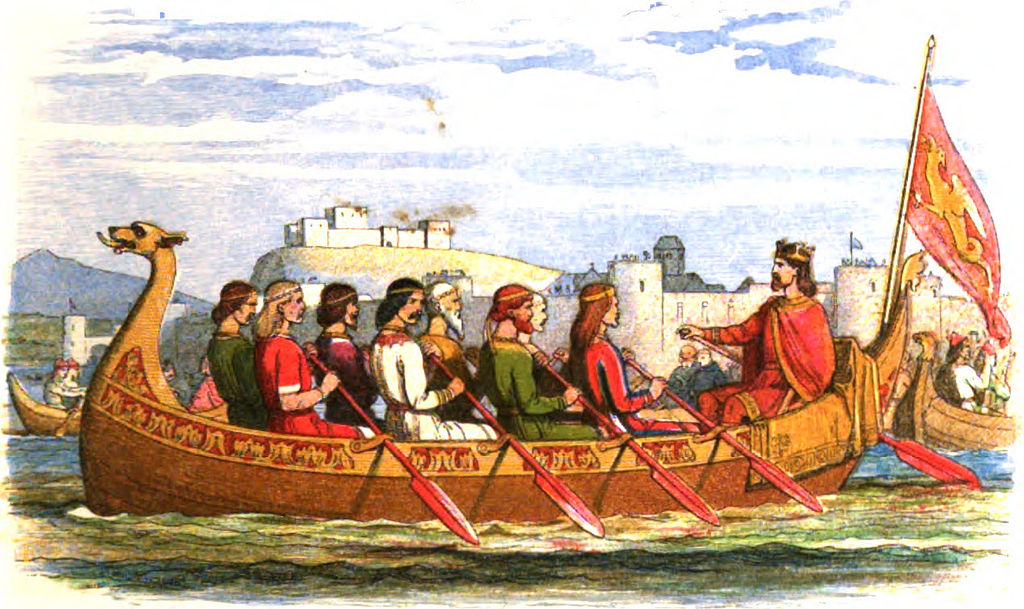
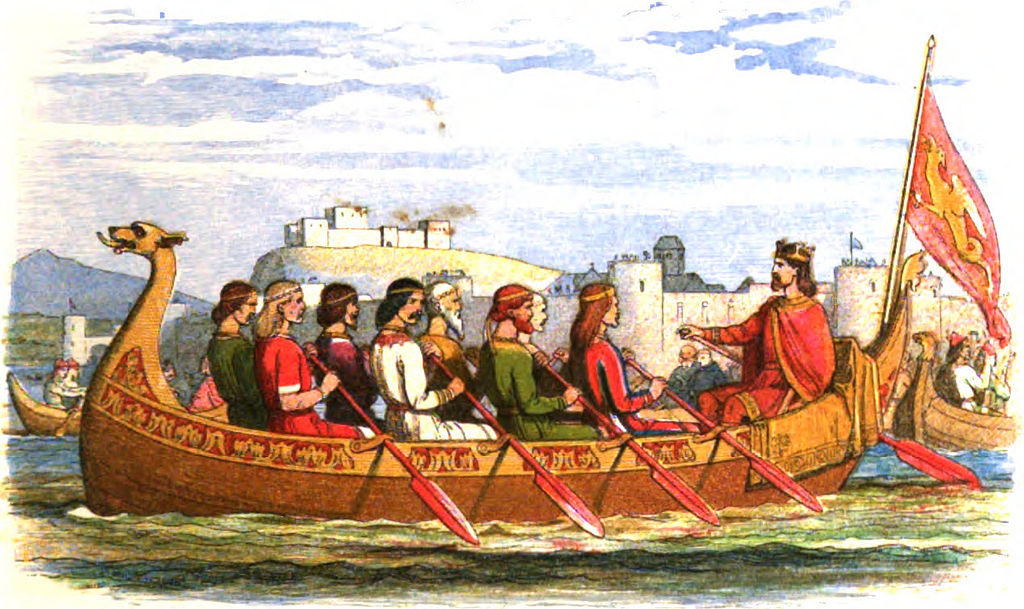 Edgar crossing the Dee What does Alvar think he is like?
“I don’t believe that I deserve my success. The hold-oath, sworn to my lord the king, was binding, and I broke that bond when I swore instead to Edgar. I live with this guilt, and I cannot shake the feeling that I walked into a position of authority without really earning it.
I know I speak bluntly – some might say rudely – and yet, perversely, I hate myself for being tongue-tied whenever I am near Káta. I am in love with this woman, who cannot be mine – she is married to my steadfast right-hand-man, who would willingly put himself between me and the enemy’s spear. At first, I didn’t know how I felt about her; I visited her house often, but thought that I was merely seeking the calm of her rural home as a salve for the poison of the court.
Some praise my skills as a swordsman, but I take no particular pride in this. All men of my standing are expected to be able to fight, and fight well.
I have a quick temper, but I do try to control it. At one gathering, I was proud to keep my tongue firmly behind my teeth until I could move away from my most deadly enemy. Although, as I remarked when asked if I was behaving myself, “Rotting crow-body – I should have felled him where he stood.”
And I should have done, with hindsight. Was I a ‘mad blast’? Yes, when I needed to be. Was I ‘glorious’? No. I acted because I loathe hypocrisy – how can Churchmen condemn sin and condone it all in the same breath? They sought to ruin people’s lives and fill their own money chests, and everything I did, I did for those whom I loved, to protect them if I could. Who would not do the same?”
So what’s Alvar the Kingmaker about?
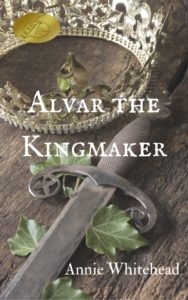 It’s a tale of politics, intrigue, deceit and murder set in tenth-century England. Nobleman Alvar knows that securing the throne for the young and worthy King Edgar will brand him as an oath-breaker. As a fighting man, he is indispensable to the new sovereign, but his success and power gain him deadly, murderous enemies amongst those who seek favour with the king, and point the finger of suspicion when Edgar’s brother, the previous king, dies in mysterious circumstances. Alvar must fight to protect his lands, and his position, and learn the subtle art of politics. He must also, as a man of principle, keep secret his love for the wife of his trusted deputy. Civil war erupts, and Alvar once again finds himself the only man capable of setting a new king upon the throne of England, an act which comes at great personal cost. His career began with a dishonourable deed to help a good king; now he must be loyal to a new king, Aethelred, whom he knows will be weak, and whose supporters have been accused of regicide. Can he bring about peace, reconcile with his enemies, and find personal happiness, whilst all the time doing his duty to his loved ones? And what of the fragile Queen, who not only depends upon him but has fallen in love with him? It’s a tale of politics, intrigue, deceit and murder set in tenth-century England. Nobleman Alvar knows that securing the throne for the young and worthy King Edgar will brand him as an oath-breaker. As a fighting man, he is indispensable to the new sovereign, but his success and power gain him deadly, murderous enemies amongst those who seek favour with the king, and point the finger of suspicion when Edgar’s brother, the previous king, dies in mysterious circumstances. Alvar must fight to protect his lands, and his position, and learn the subtle art of politics. He must also, as a man of principle, keep secret his love for the wife of his trusted deputy. Civil war erupts, and Alvar once again finds himself the only man capable of setting a new king upon the throne of England, an act which comes at great personal cost. His career began with a dishonourable deed to help a good king; now he must be loyal to a new king, Aethelred, whom he knows will be weak, and whose supporters have been accused of regicide. Can he bring about peace, reconcile with his enemies, and find personal happiness, whilst all the time doing his duty to his loved ones? And what of the fragile Queen, who not only depends upon him but has fallen in love with him?
Thank you so much for stopping by today, Annie, and good luck with Alvar!
********
You can buy Alvar the Kingmaker here.
Connect with Annie on Twitter, Facebook, visit her Amazon page and her website.
Updated August 2020: Alison Morton is the author of Roma Nova thrillers – INCEPTIO, PERFIDITAS, SUCCESSIO, AURELIA, INSURRECTIO and RETALIO. CARINA, a novella, and ROMA NOVA EXTRA, a collection of short stories, are now available. Audiobooks are available for four of the series. NEXUS, an Aurelia Mitela novella, is now out.
Find out more about Roma Nova, its origins, stories and heroines… Download ‘Welcome to Roma Nova’, a FREE eBook, as a thank you gift when you sign up to Alison’s monthly email newsletter. You’ll also be first to know about Roma Nova news and book progress before everybody else, and take part in giveaways.
If you enjoyed this post, do share it with your friends!
|
Subscribe to Blog via Email
Join 368 other subscribers.
Categories
Archive
|
 What a pleasure it is to welcome the talented Jane Davis back as my Thursday guest! Jane is the author of seven novels. Her debut, Half-truths and White Lies, won the Daily Mail First Novel Award and was described by Joanne Harris as ‘A story of secrets, lies, grief and, ultimately, redemption, charmingly handled by this very promising new writer.’ The Bookseller featured her in their ‘One to Watch’ section. Six further novels have earned her a loyal fan base and wide-spread praise. Her 2016 novel, An Unknown Woman won Writing Magazine’s Self-Published Book of the Year Award. Compulsion Reads describe her as ‘a phenomenal writer whose ability to create well-rounded characters that are easy to relate to feels effortless.’ Her favourite description of fiction is ‘made-up truth’.
 At the age of nine, Lucy was struck down by polio. With any extended childhood illnesses, the child is set apart, both literally and figuratively. Staring death in the face defines a person, whatever their age. Although she isn’t paralysed, Lucy has that same stubborn determined streak that Roosevelt displayed when he refused to accept the limitations of his disease. The refusal to wear leg braces, to face the world sitting down. She’s looked at differently by family and friends. And, of course, she has to draw on tremendous inner reserves.