 Opening Word to crack on with my new story, I was disconcerted to see a message flash up that support for Word 2011 would be withdrawn in 10 days’ time. Eyes on stalks at the screen. Opening Word to crack on with my new story, I was disconcerted to see a message flash up that support for Word 2011 would be withdrawn in 10 days’ time. Eyes on stalks at the screen.
Ten days? My other half and I did that clichéd thing of mutual dumbfounded disbelieving staring.
He recovered first. In my fevered writer’s mind, it was an evil world marketing conspiracy by Microsoft. He, the logical engineer, started looking for a solution. Should we ‘rent’ software in the cloud monthly or buy? What about multi user licences against single? Was this cloud thing going to develop into a perfect storm?
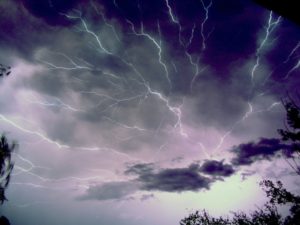
I know about the cloud – we are Mac users, but Windows now has a cloud. I see Olympian gods battling it out, thunderbolts hurled across the sky.
The other half tells me to calm down. After an hour or two examining options, we make our choice to rent monthly. You get free updates and other stuff, apparently.
Now my reaction seems overdone, but earlier in the week we’d had a major operating system update; two desktops, two MacBooks, then the phones and tablets. Okay, fairly routine, but some fiddling about.
Oh, and did I mention our Internet speed here is is 5/6 Mbps download,1Mbps upload so updates and backups take a little while…? We are supposed to be getting fibre (FTTH) next year, so they haven’t bothered upgrading the Internet speed in the meantime.
Then, joy of joys, our WordPress backup to Dropbox provider stops service. My other half looks after 20 sites in all, so this is wonderful news. Not. He spends a day and a half searching and testing alternatives for usability, reliability and robustness and liaising with the server people about (?)php recognition fixes (Don’t ask!)
And this month’s additional project is converting all the sites from HTTP to HTTPS. We are enmeshed in a world of security certificates, fixes, insecure sites and cyber horror.
Now, I’m not a Luddite. I learnt my computing in 1989 on a Viglen PC using WordStar, SuperCalc and DBase. Windows graphical interface was a revelation; a wonky one, but still… I wrote my first web page in the late 1990s.
 My first website. Bad, isn’t i? But it was first written in the 1990s when few (small) businesses had websites. I was one of the first in my business circle to have a mobile (cell) phone, then a Nokia camera phone. I was the first in my family to buy a Kindle. You catch my drift.

Then, we had to learn fast, but it was all possible; a wondrous new world of email, text messaging, information at our fingertips. And for the record, I started Tweeting in 2009 although I came a little later to Facebook. And GPS – we had an early one but I did keep my trusty mapbook…
But now we’ve gone from wonderment at sending people into space to grumping when our phone loses signal in the middle of the countryside or our TV satellite receiver picture breaks up into pixels. Did we ever think this would be the main use of space exploration?
I love all the things I can do with photos, with researching plants, guns, diamonds and Latin poets, talking to people across five continents, posting stuff about life and books and getting reactions in seconds from Edinburgh, Sydney and North Carolina. So I’m a keen user.
But as products have become so sophisticated with new services and new careers burgeoning in and around the computer industry, the average consumer finds herself bamboozled. Despite the marketing, there is no ‘one quick fix’. And everything needs updating. Continuously. Online identity thieves and fraudsters lurk round every cyber corner, ready to mug us. You need to run a feasibility study on everything to check it meets your requirements.
With so much choice and complexity, we spend a high proportion of time trying to get through the maze, no, jungle of technology. And it all sucks up so much of that time. Even half-techie people can be overwhelmed.
All I really want to do is get on with normal life and write…
Alison Morton is the author of Roma Nova thrillers – INCEPTIO, PERFIDITAS, SUCCESSIO, AURELIA, INSURRECTIO and RETALIO. CARINA, a novella, and ROMA NOVA EXTRA, a collection of short stories, are now available. Audiobooks are available for four of the series. NEXUS, an Aurelia Mitela novella, is now out.
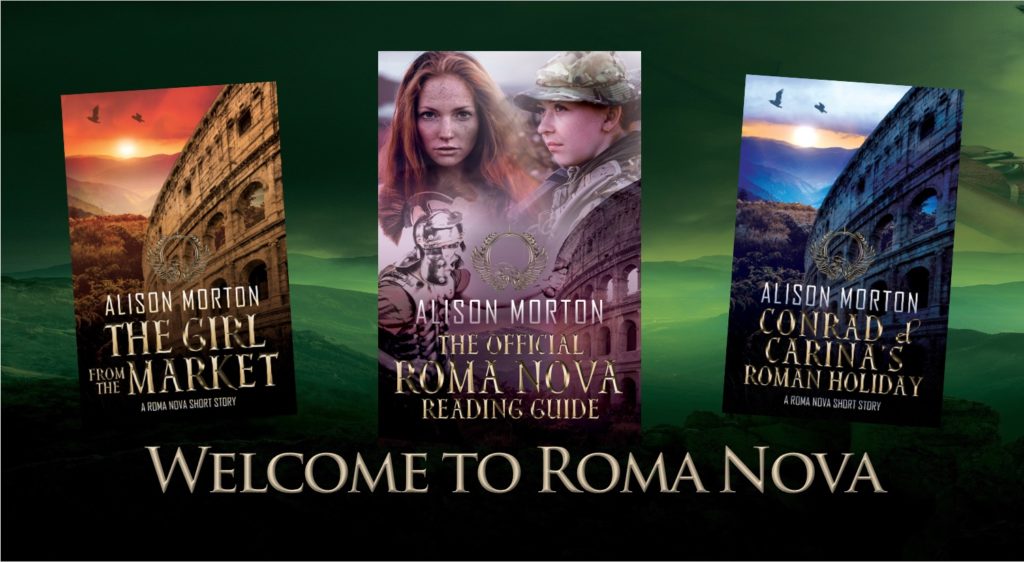
Find out more about Roma Nova, its origins, stories and heroines… Download ‘Welcome to Roma Nova’, a FREE eBook, as a thank you gift when you sign up to Alison’s monthly email newsletter. You’ll also be first to know about Roma Nova news and book progress before everybody else, and take part in giveaways.
If you enjoyed this post, do share it with your friends!Like this:Like Loading...

Are ebooks and print books in some sort of fierce battle to the death with one another in which the only outcome is total dominance? Will ebooks soon drive their dinosaur cousin to extinction or will print books will see ebooks off and show the whole digital phenomenon to be a mere flash in the pan?
Neither of these outcomes is likely.
I’m a typical fence-sitting Libran and love both; I don’t see it as a battle to be ‘won’, but as providing a choice.
Once a story is written and edited, an ebook version can be produced relatively easily, and then uploaded to a digital retail outlet within minutes. Stories in some genres, such as romance and science fiction, are only produced in this format. Authors often use a short story or novella in digital format to test out a series idea or to supplement an established series.
If the story sells well, then it can be produced in print format (after reformatting) either as a print run of a few hundred or thousand or individually as print-on-demand. And this is not the exclusive domain of indie authors/publishers; I have heard that mainstream publishing houses are increasingly adopting print-on-demand.

Let’s look at it from the reader’s point of view. Limiting your book to one format cuts your potential audience. Readers may have a strong preference for one format or other. Writers shouldn’t assume they know what the reader wants. Hybrid readers may enjoy a physical book relaxing at home then switch to a Kindle while travelling especially if they have cabin luggage only. When I was younger, my brother and I were rationed to six books each for a holiday of three weeks; I was usually done within the first 10 days – horrendous. If only ebooks had existed then!
Physical books take up space and are heavy. But a book chosen at an event and signed by an author is very special. I’m there in the queue and literary festivals and conferences waiting for my minute with the star author. The smell of fresh paper and the crisp pages all contained in a beautiful cover – heaven!
Ebooks may not be the miracle they’re cracked up to be. Studies have shown that backlit ereaders have an adverse impact on ‘overall health, alertness and the circadian clock, which synchronises the daily rhythm of sleep to external environmental time cues.’ Participants in the study went to bed later and were much tireder the next day. And when sleeping, they spent less time in REM sleep. Even though they were still getting eight hours of sleep, they felt significantly less rested than when they read a print book. And apparently we remember less about stories we read on ereaders than those read from a hard copy.

However, while ebooks can’t be loaned or shared (unless you have a super hacker teenage sprog) and the ereader needs charging now and again, ebooks are much cheaper than print books. Ebooks can be bought anywhere and you’re reading in seconds. Unlike printed books, ebooks don’t require trees for paper and petroleum for ink.
2024 note: And very many people read now on their phone or tablet such as iPad.
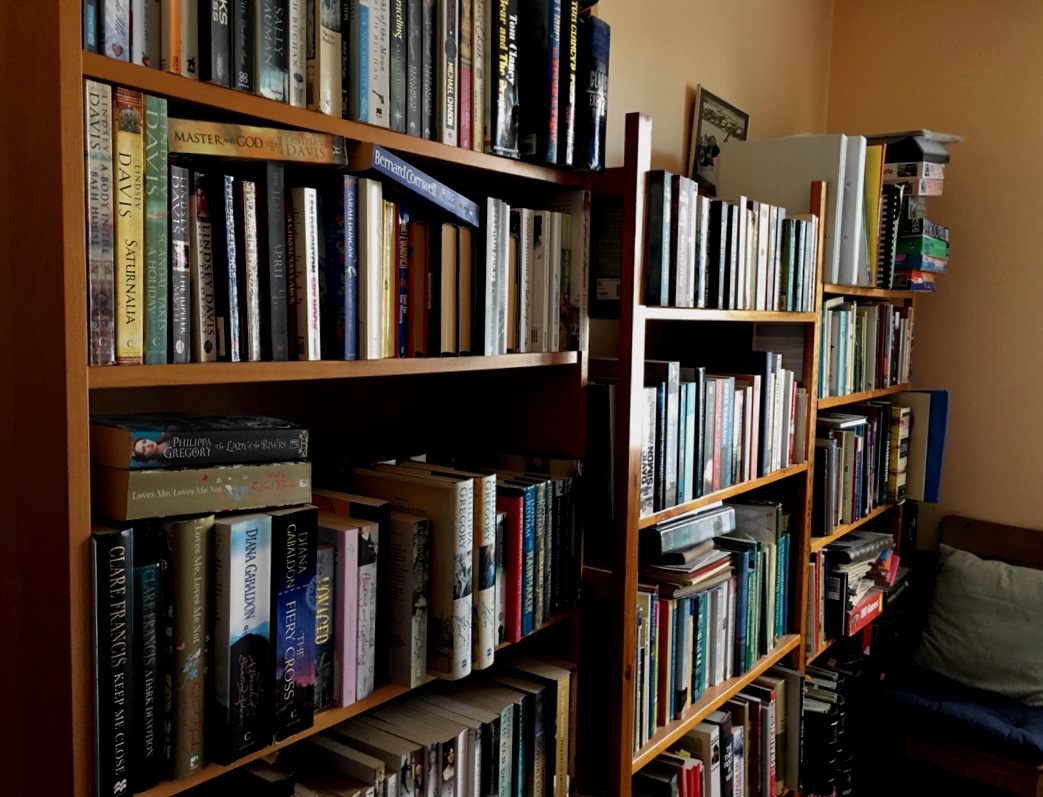
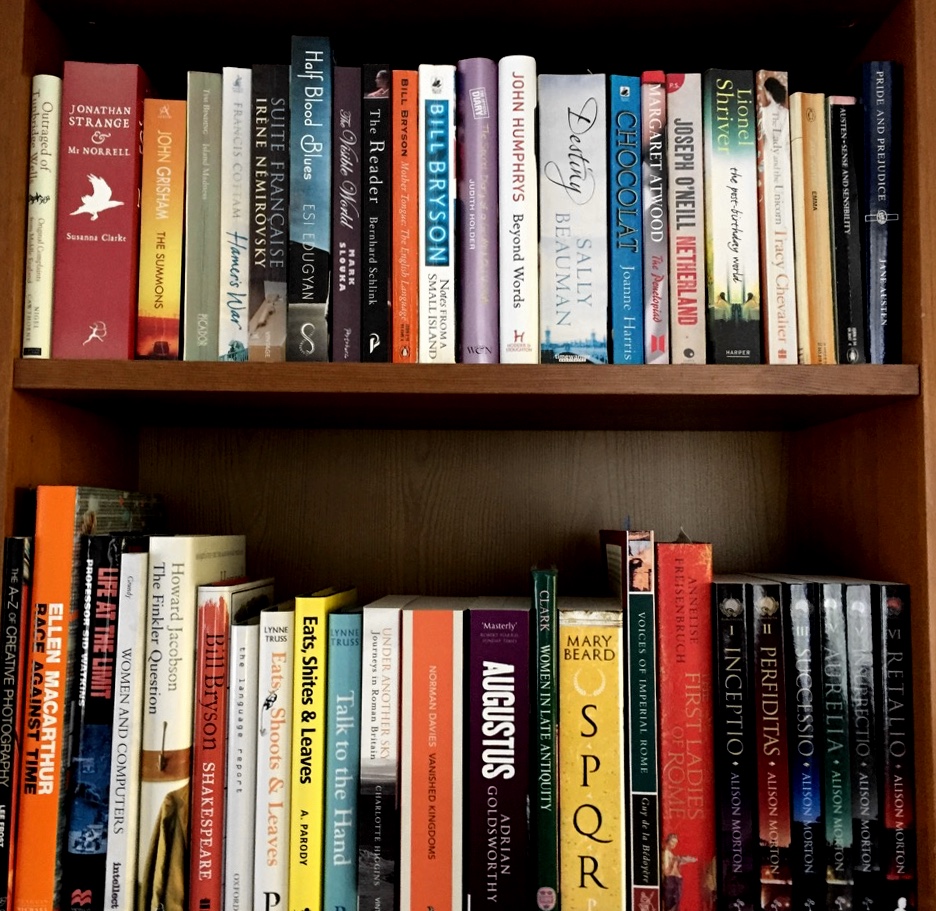
On the other hand, spending time wandering round a bookshop, feeling books, dipping in, settling down in a chair and finding a new world then taking it home with you is one of life’s pleasures. And shelves of books are like piles of treasure you can explore on a rainy day and find that book you enjoyed on a holiday or bought at a special time. An ebook doesn’t do that for me.
Amazon is investing a great deal in delivery systems for its books, e.g. drones; they are unlikely to be doing that if they think physical books are going to disappear soon.
So each format has its pros and cons and my woolly wandering around the topic shows how unclear the whole thing is. I’ll be buying and reading both for the foreseeable future. Oh, and we haven’t even put audiobooks into the mix, but that’s another story.
Which do you prefer? Or are you another hybrid reader?
______________
All the Roma Nova books are available in paperback through bookshops, libraries or from online retailers. To buy, select the book of your choice on the Roma Nova book buying page, then click ‘More links’ to get direct links to various retailers for that book.)
Or stroll down to your local library and if it’s not there, put in a request and they’ll get it for you.
______________
Update 2024: Alison Morton is the author of Roma Nova thrillers – INCEPTIO, CARINA (novella), PERFIDITAS, SUCCESSIO, AURELIA, NEXUS (novella), INSURRECTIO and RETALIO, and ROMA NOVA EXTRA, a collection of short stories. Audiobooks are available for four of the series. Double Identity, a contemporary conspiracy, starts a new series of thrillers. JULIA PRIMA, Roma Nova story set in the late 4th century, starts the Foundation stories. The sequel, EXSILIUM, is now out.
Find out more about Roma Nova, its origins, stories and heroines and taste world the latest contemporary thriller Double Identity… Download ‘Welcome to Alison Morton’s Thriller Worlds’, a FREE eBook, as a thank you gift when you sign up to Alison’s monthly email update. You’ll also be among the first to know about news and book progress before everybody else, and take part in giveaways.
If you enjoyed this post, do share it with your friends!Like this:Like Loading...
 Few people look at Few people look at
But back in the everyday, this means being polite to the supermarket cashier, not running over somebody’s toes with your suitcase at the airport and remembering your pleases and thank yous.
Sadly, thinking of others and being considerate of them seems to have gone completely offline in the brains of many online. So here are a dozen dos and dont’s.
1. When commenting on somebody’s post, do NOT insert a link to your own book. If pertinent to the discussion, you can just about get away with posting a link to a post on your blog. Just. I recommend you don’t do it or you’ll look amateurish and annoying. But if you must, ensure you delete the preview or you’ll look spammy.
Tied to this is ‘piggybacking’ where an author posts on their own profile/page/blog that they are (for example) promoting/selling their books at an event and then you insert your own event/sales opportunity in the comments. This is regarded as very bad form. Your comment will be deleted and you’ll be VERY lucky not be be unfriended.
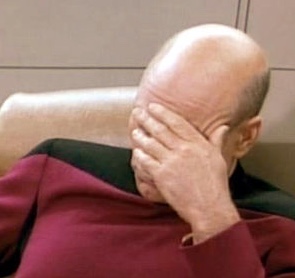
2. Do NOT direct message anybody AT ANY TIME with a cold call announcement of your new book. My reaction on Facebook is to unfriend immediately and you’ll be known very quickly as a pest. Set up a Facebook author page and promote from there and in promotion groups.
3. As soon as somebody has accepted your friend request, the same applies. You may in good conscience send them an invitation to like your author page – that’s what author pages are for. Your new friend may elect not to follow you there, but that’s their choice.
4. Everybody is entitled to a little rant and it’s best to put a warning up as the first line, but don’t be rude or libellous. Keep swear words to a minimum, but if appropriate and in context then you have to use them. But be judicious; you may lose friends this way.

5. Try to remain cool and rational even when people are determined to provoke and don’t be concerned about withdrawing from a conversation. If something is truly unacceptable, on Facebook report it to the admin by clicking on the (almost invisible) down arrow or three dots at the top right hand of the post or comment in question. Reporting to Facebook is useless; reporting to admin will probably get somewhere.
6. Politics. Hm. Some say keep away, but if you remain polite and rational, I think you can post about it. Religion – don’t go there. Be aware that others may disagree, and sometimes in an unfriendly manner. Your choice.
7. On Twitter, read your tweets before posting. It looks really silly to have spelling mistakes in such a small number of characters. (I say this as the world’s worst typist.) Two possible reactions: others may not want to retweet what would otherwise have been a sensible tweet, or if they retweet a post with a careless mistake, hundreds, possibly thousands will think you’re illiterate.
8. Be aware that not everybody cares about a photo of your hotel breakfast, but in general posts with photos/images will attract more attention.
9. A bit of advertising/marketing now and again is perfectly acceptable, but keep it to your page on Facebook, not your personal profile. It’s against Facebook ‘rulz’ to use your personal profile for financial gain, including competitions, book draws or, Zuckerberg forbid, selling direct. The Facebook police do patrol and I know at least one person whose author page and personal profile were zapped overnight – five years’ work down the digital pan.
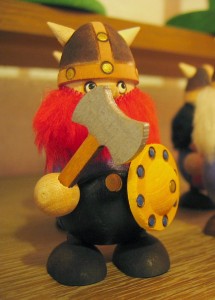
10. Don’t create multiple or fake name accounts including book characters on Facebook. Mr Zuckerberg’s minions are looking for you and others may well report you.
11. Read the group or community rules. Each group will have individual rules. Ignoring them often leads to deleted posts and for serial offenders, permanent exclusion. Hint, they are often to be found in a pinned post which is not usually open for reading on mobiles. I suggest you click on it.
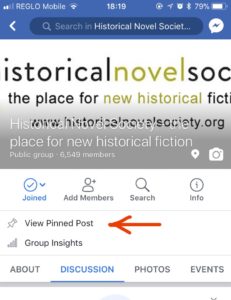
12. As well as staying professional, do check your privacy settings. But remember that whatever those settings, a post on social media is forever.
This all sounds a trifle negative, but not doing all these silly things is only good manners. You’ve heard many people say the important thing about social media is the social bit. True dat.
And what to post on any social media? The BBC mantra – inform, educate, entertain – is a good one as a content guideline.
A last point which sums up all the others
A few years ago, pre-social media, I went to a talk on marketing at a very high-flown business event – suits and serious faces all round. The guru was famous and had been flown in from the US to give a forty minute high-powered talk and to reveal the secret of successful marketing. We listened, rapt, and nodded at appropriate moments. We even laughed politely at his jokes. And eventually, he asked us if we wanted to know the secret. We sat on the edges of our seats. The whole room was silent. Only a faint electrical hum of the audiovisual equipment was left.
His key tip?
“Go forth and be nice.”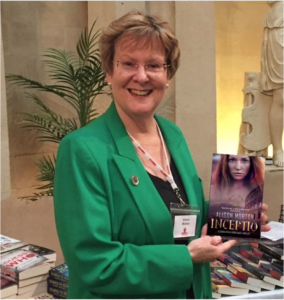
Alison Morton is the author of Roma Nova thrillers – INCEPTIO, PERFIDITAS, SUCCESSIO, AURELIA, INSURRECTIO and RETALIO. CARINA, a novella, and ROMA NOVA EXTRA, a collection of short stories, are now available. Audiobooks are available for four of the series. NEXUS, an Aurelia Mitela novella, is now out.
Find out more about Roma Nova, its origins, stories and heroines… Download ‘Welcome to Roma Nova’, a FREE eBook, as a thank you gift when you sign up to Alison’s monthly email newsletter. You’ll also be first to know about Roma Nova news and book progress before everybody else, and take part in giveaways.
If you enjoyed this post, do share it with your friends!Like this:Like Loading...
 You know the score – a crowd of writers keen to learn and interact and readers eager to adore the great ones, hurrying from pillar to post, same old topics thrashed over, expensive food, even more expensive drink, lots of undercurrents and exclusive events, groups and cliques and a carefully orchestrated bookshop with selected titles. You know the score – a crowd of writers keen to learn and interact and readers eager to adore the great ones, hurrying from pillar to post, same old topics thrashed over, expensive food, even more expensive drink, lots of undercurrents and exclusive events, groups and cliques and a carefully orchestrated bookshop with selected titles.
Well, that wasn’t what happened at the Charroux LitFest in southwest France.
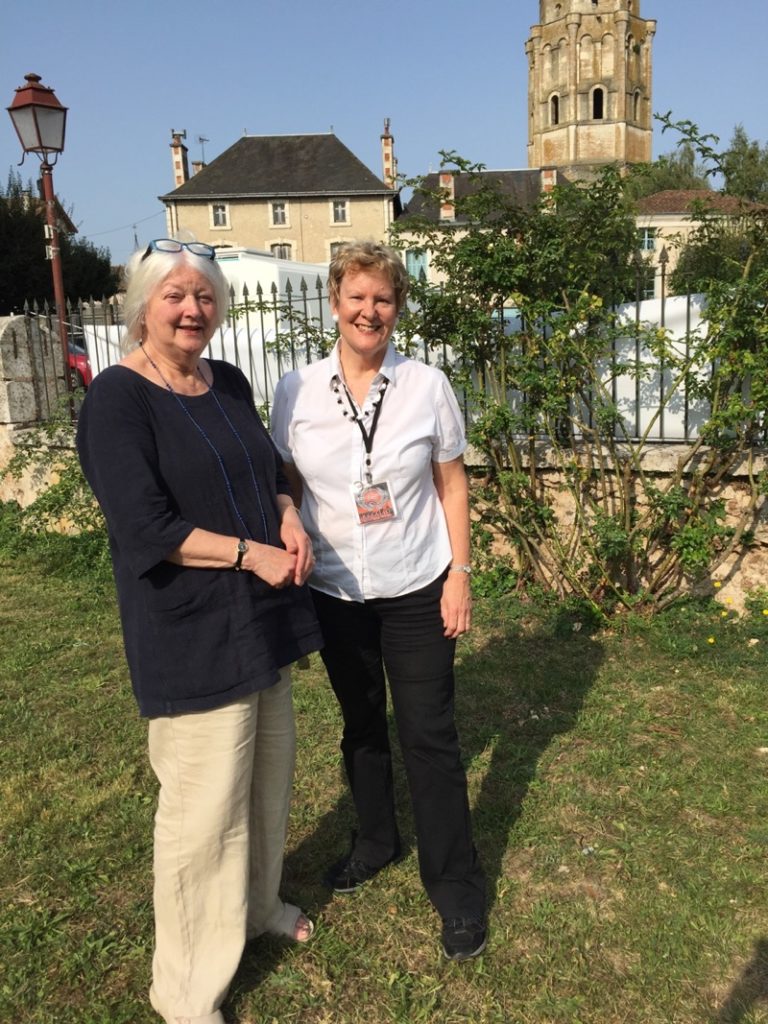 With Barbara Erskine Difference 1
Like many other writing events, his litfest had keen writers and readers, all eager to learn and interact, but there were no groups or cliques or barriers. Everybody mixed with everybody else. I had some fantastic conversations about characters, history, self-publishing and promotion throughout the weekend and managed a quick chat with Barbara Erskine on Day 3. She wanted to ask me more about alternative history, but she had a plane to catch!
Difference 2
The Programme 2017 – Festival de Littérature à Charroux wove together a schedule of events in English and French and was designed to bring fresh perspectives on essential topics. In our history panel, the audience was surprised to see me wielding my (replica) Pompeii gladius and talking about blade lengths and compositions, then types of pistols and rifles used by modern Roma Nova military while a colleague writing about French resistors in the 1940s laughed and said he steered away from specifics when it came to weapons. That surprised our audience!
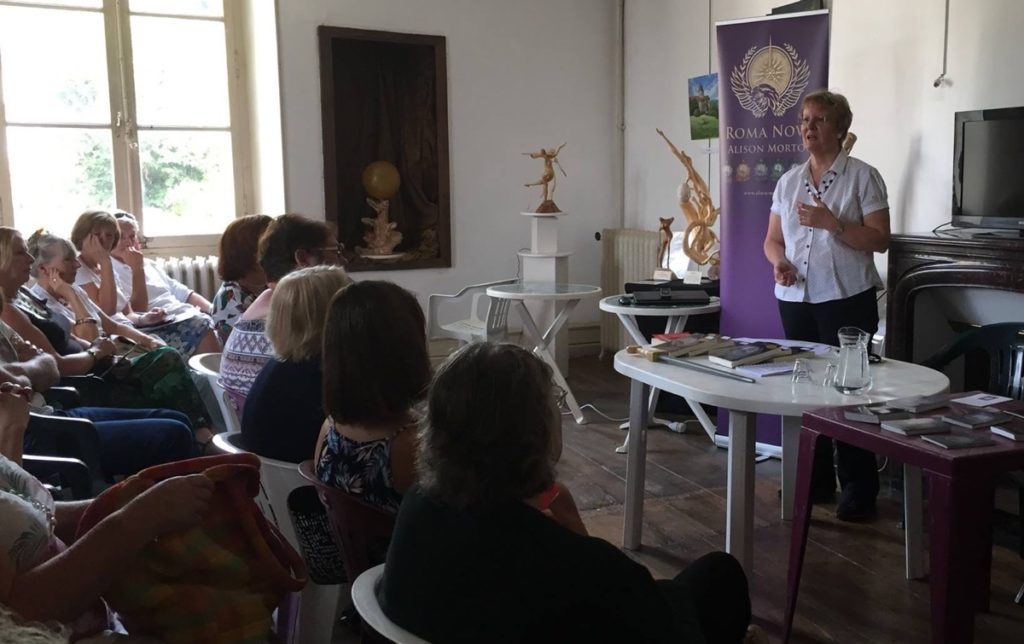 Talking about Roma Nova! As well as delivering my own topics (talking about the Roma Nova books, the historical fiction panel, and new writers’ workshop) I was delighted to get to Barbara Erskine’s interview with Tracy Warr and Andrew Lownie’s fascinating glimpse into Stalin’s Englishman, aka Guy Burgess.
Difference 3
What a lovely bookshop efficiently run by Christine and Bernard Godfrey! They were unfailingly helpful, provided author drinks and, treasure beyond everything on a sweltering weekend, an air conditioner! Definitely the cool place to be. It was also the friendly place to be and I even bumped into a schoolfriend from several decades ago.
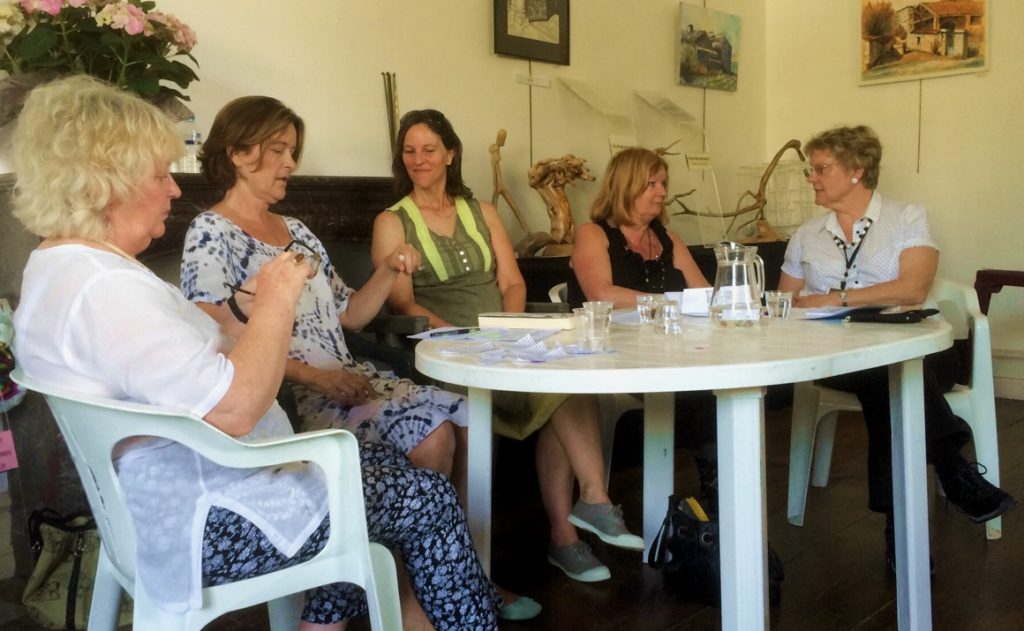 The New Writers’ workshop panel getting ready! (Photo courtesy of frenchvillagediaries.com) Difference 4
The other remarkable thing about Charroux – people had come from long distances, booking up accommodation for the three days even though it was quite a small festival in numbers.
However, the buzz was deep and intense; you could almost touch the concentration in each session.
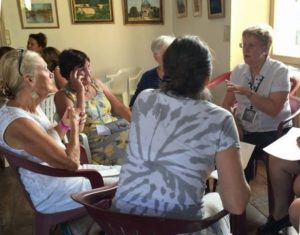 Trying to convince writers about promotion! The New Writers’ Workshop led by festival patron Susie Kelly, with contributors Jane Lythell, Harriet Springbett, Stephanie Zia (Blackbird Books) and me, flowed with advice on publishing and promotion. But in the interactive session in small groups, I learnt a lot from other writers while giving them tips about promotion. Here are my tips: Promoting your book
Difference 5
The sandwiches, quiches, cake and tea, coffee and soft drinks available on the spot were delicious and plentiful. And cheap! There was a fish & chip van for heartier appetites. Charroux and area is blessed with excellent eateries of every type for very reasonable prices.
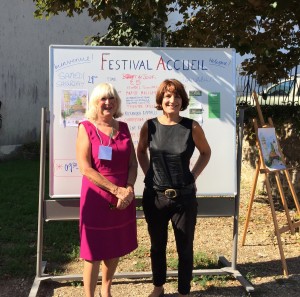 Chris and Kate But above all, the conference was friendly, interactive and fun. Now, this takes skill, dedication and hard work. I’m surprised the organisers, Kate Rose and Christine Collette, and their volunteer teams still had the energy to breathe by the end of the three days. Smiles and a genuine desire to address your question or need instantly were the hallmark of their modus operandi. Chapeau to them!
Oh, and I sold a ton of books, both the Roma Nova titles and the paper version of The 500 Word Writing Buddy which has tips for new writers.
Fab people, fab food, fab atmosphere – what a weekend!
Alison Morton is the author of Roma Nova thrillers INCEPTIO, PERFIDITAS, SUCCESSIO, AURELIA and INSURRECTIO. The sixth, RETALIO, came out in April 2017. Audiobooks now available for the first four of the series
Find out more about Roma Nova, its origins, stories and heroines… Get INCEPTIO, the series starter, for FREE when you sign up to Alison’s free monthly email newsletter
If you enjoyed this post, do share it with your friends!Like this:Like Loading...
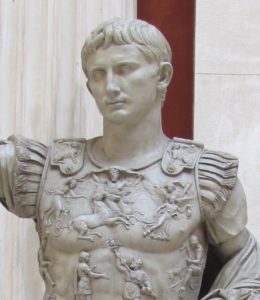 Octavian (Author photo) Shakespeare’s Young Octavius O villain, villain, smiling, damnèd villain!
My tables—meet it is I set it down
That one may smile, and smile, and be a villain—
At least I am sure it may be so in Denmark.
(Hamlet, Wm.Shakespeare)
“And some that smile have in their hearts, I fear,
Millions of mischiefs”
Young Octavius, in Julius Caesar, Wm.Shakespeare)
Ah yes, Shakespeare’s smiling villains. And for many years, Octavian acted in a pretty villainous was during the vivil war following Julius Caesar’s assasssination. But if it’s good enough for the Bard, it’s good enough for the rest of us.
It also points to how we should portray the ‘bad guy’ in stories. They are not all as they appear to be…
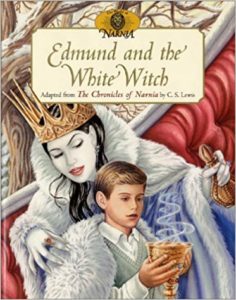 Undiluted villains Undiluted villains
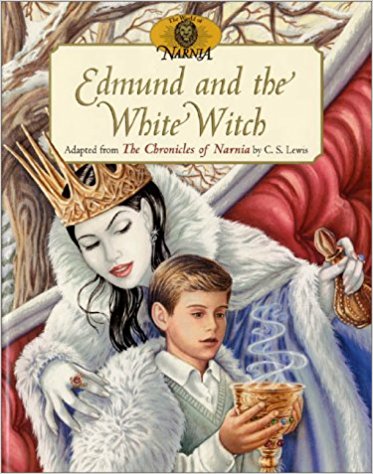
Fu Manchu, the White Witch, Dracula, Cruella de Vil, Mrs Danvers and Ernst Blofeld are straightforwardly nasty, with a single goal of eliminating the ‘good guy(s)’and usually taking over the world. We see only one aspect of them and apart from the ways in which they inflict pain on our heroines/heroes we find them a tad ridiculous and potentially boring.
Proper villains are multi-layered, often with mixed motivations that sometimes they themselves don’t understand. Others live in their own bubble, sometimes on their own imaginary planet, and thus see the world in a completely alien and, to us, incomprehensible way. This can mirror the real world!
In the Roma Nova thrillers I’ve written psychopaths (Renschman in INCEPTIO), sociopaths (Pertinax in PERFIDITAS, Caius Tellus in AURELIA, INSURRECTIO and RETALIO) and vicious vengeful children (Nicola in SUCCESSIO).
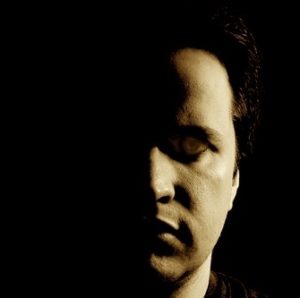 Apollodorus And then there are characters who hover in between such as pragmatic criminal Apollodorus in INCEPTIO and PERFIDITAS whom we can’t decide is good or bad.
Some characters are weak and fall into bad company like Superbus in PERFIDITAS, some become temporary ‘bad guys’ (no spoilers here!), some are forced into ‘bad guy’ behaviour due to circumstances, some are merely opportunistic.
And those grey areas are the most interesting…
How to write a plausible and interesting villain
All characters need a solid backstory, so it’s a good idea to sketch out when your villain became one, why and in what circumstances. Was it a single incident, a simmering discontent, envy, mistreatment or being a spoilt child? Did he or she fall into bad company or were they abandoned as a child or on the death of one or both parents? Such events don’t always lead down the dark path, but they may nudge them that way.
A criminal mastermind who seems all-knowing and all-seeing with almost telepathic powers is not credible. Neither is a bumbler or a TSTL (too stupid to live) fool. But villains should be intelligent or at least crafty. Our heroines (and heroes) need foes worthy of them, ones that will test their mettle.
Are villains ‘born bad’?
We all differ in temperament and character. Some of us are laid back, others ambitious, some warm-hearted, others unemotional, some caring and holistic, others full of desire to dominate. The Myers Briggs Type Indicator is extremely useful for making up multi-layered profiles for all your characters. It’s a psychometric test system popular in business and government since the Second World War to indicate psychological preferences about how people perceive the world and make decisions. Not only a useful way of attempting to fathom political leaders in the real world but also a gold mine for writers!
Villains’ dialogue
It should not lapse into stereotypes or melodrama – they are people like other characters in the story and should speak normally, although irony, sarcasm and anger can be present when appropriate.
From INSURRECTIO: After she is captured, Aurelia is taken before Caius who has usurped power in Roma Nova:
I was completely alone. With my nemesis. He went back to staring through the window.
‘I can’t decide what to do with you,’ he said. ‘You will undoubtedly try everything to oppose me under some delusion of duty, so it would be prudent to remove you permanently. And you caused me to rot in a Prussian jail for twelve years. I shall never forgive you for that.’
‘You murdered a Prussian citizen and permanently disabled another. You ran a silver smuggling organisation that threatened Roma Nova’s security. You got off lightly.’
He shrugged.
‘And let’s not forget your two attempts to kill me.’
‘You were being irritating, Aurelia, and I dislike that.’
‘Irritating!’ I raised my hands to vent my frustration but the steel grip of the handcuffs constrained them. ‘I was a Praetorian officer tasked to hunt you down. I’d hardly class that as irritating.’
‘“Was”. That’s the correct word.’ He turned and looked straight at me. ‘You’re finished. I’ve cancelled your commission along with that of every other female officer. You’re no longer a minister, nor a senator, nor head of your family. You have become an irrelevance in the new Roma Nova.’
I stared at him. Irrelevant? He couldn’t take away my identity like that.
‘Don’t be ridiculous. You can’t destroy the structure of such an old country just like that.’
He strode over to me. I took a step back, but he was too fast. He grabbed me by the throat, pressed his thumb and fingers hard, and squeezed. I could hardly breathe. He pressed harder. My head swam and my vision blurred.
‘Don’t tell me what I can and can’t do.’ Then he dropped his hand and released me. I bent over coughing. Gods, his grip had been strong. I thought I was going to choke to death.
‘You have two options – adapt or go under. There is no release for you, Aurelia. You will be guarded and tracked, and if you attempt escape, I’ll execute one of your friends like Calavia. Maybe I’ll do that anyway, if only to motivate you.’
‘Only cowards let their friends take the punishment for them. Just call in the swordsman and I’ll kneel in the sand.’
‘Certainly not. You’re far too valuable a political asset. And you do have a certain amusement value.’ He smirked at me. ‘Perhaps I’ll keep you as jester, my own tame doomsayer. You’d look quite fetching in scarlet.’
I couldn’t speak. The humiliation of what he suggested – how dare he?
He laughed. ‘You should see your face, Aurelia. You always were quick to rise.’ Then his mouth straightened into a crisp line. ‘This is not a game. The old ways are finished, as is everybody associated with them.’
Put yourself in the villain’s place
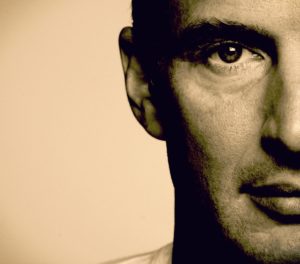 Caius Tellus Another technique is to get into their mind-set. They are convinced they are the strong one on the right path, if they are like Caius or Pertinax, or are perfectly justified in what they do in order to make their way in the world, if they are Apollodorus. They often care for, or at least reward, their subordinates and cannot see why others don’t see things as they do.
And for an additional twist, the ‘bad guy’ may well demonstrate many of the qualities of the ‘good guy’ and share some values.
From INSURRECTIO: Same scene as above, Aurelia speaks first:
‘I’d rather end my days in Truscium than lift one of my little fingers to help you.’
‘Always so dramatic. Phobius would throw you in there without hesitating after he’d had you and given his men a turn. Would you prefer that?’
Just for a second, something in his eyes united us as patricians, revolted at the thought of Phobius touching either of us.
‘Quite,’ he said.
In a series
Here, the characters can overlap the books: Apollodorus, so prominent in INCEPTIO, returns in PERFIDITAS; Caius Tellus is the antagonist in all three of the second trilogy. The return of a bad guy must be carefully engineered. If the heroine is so competent, how come the bad guy keeps escaping? Eventually, a recurring villain has to disappear, but a writer can really enjoy themselves doing that and wring high emotion out of it for the reader.
And the grey areas?
Sometimes the heroine/hero has to show transgressive or even criminal tendencies and act on them. Does this make them a villain? Sometimes an upright character’s personality changes then they suffer a mental breakdown and they act unlawfully. Does that make them a villain? And occasionally ‘bad guys’ sacrifice themselves, ostensibly to save themselves from justice, but covertly for an entirely different reason. Putting one type of character into the opposite situation natural to them creates very interesting conflicts…

Finally, remote villains
A villain doesn’t have to be present in person or even still alive. In INCEPTIO, PERFIDITAS and SUCCESSIO, the first three Roma Nova thrillers, the mere memory of Caius touches the characters who had interacted with him in the second prequel trilogy. Aurelia, Conrad and Silvia recount terrifying snippets from their contact decades ago with Caius to Carina in the present and thus to the reader.
In RETALIO, the Aurelia doesn’t encounter Caius in person until Chapter 19 and then only for moments. He doesn’t recognise her as she’s in disguise. And it’s many chapters later that they meet openly. However, he has attacked her and her colleagues physically, emotionally, mentally, legally, financially and politically. His reach is long and frightening.
From RETALIO: Aurelia is in exile in Vienna with her lover and companion of fifteen years, Miklós:
‘The exiles are hurt and frightened. I must help them. We can’t leave Caius to rampage and destroy everything.’
‘But if what Quintus writes is true, he’ll extradite or snatch you.’
‘I have you, and now Sándor to protect me physically and once I’m fit again, I won’t be such an easy target. I just need to put myself beyond Caius legally.’ I shuddered at the prospect of being dragged back to Caius and handed over to his sadistic assistant for ‘punishment’. And it would all be perfectly legal, from the New Austrian police arrest to deportation, handover like a package at the Roma Novan border and into the cells of the Transulium prison to await Caius’s pleasure. My heart pounded at the terrifying thought of facing Caius’s vengeance.
I hope I’ve given you some practical techniques for writing credible and three-dimensional villains. But whether viewed as a writer or reader, the most disturbing villains are, of course, the ones you find reflecting your own beliefs, fears and values, whether on the side of the angels or the devils.
Updated 2025. Alison Morton is the author of Roma Nova thrillers – INCEPTIO, CARINA (novella), PERFIDITAS, SUCCESSIO, AURELIA, NEXUS (novella), INSURRECTIO and RETALIO, and ROMA NOVA EXTRA, a collection of short stories. Audiobooks are available for four of the series. Double Identity, a contemporary conspiracy, starts a new series of thrillers. JULIA PRIMA, Roma Nova story set in the late 4th century, starts the Foundation stories. The sequel, EXSILIUM, is now out.
Find out more about Roma Nova, its origins, stories and heroines and taste world the latest contemporary thriller Double Identity… Download ‘Welcome to Alison Morton’s Thriller Worlds’, a FREE eBook, as a thank you gift when you sign up to Alison’s monthly email update. As a result, you’ll be among the first to know about news and book progress before everybody else, and take part in giveaways.
If you enjoyed this post, do share it with your friends!Like this:Like Loading...
|
Subscribe to Blog via Email
Join 368 other subscribers.
Categories
Archive
|
 Opening Word to crack on with my new story, I was disconcerted to see a message flash up that support for Word 2011 would be withdrawn in 10 days’ time. Eyes on stalks at the screen.