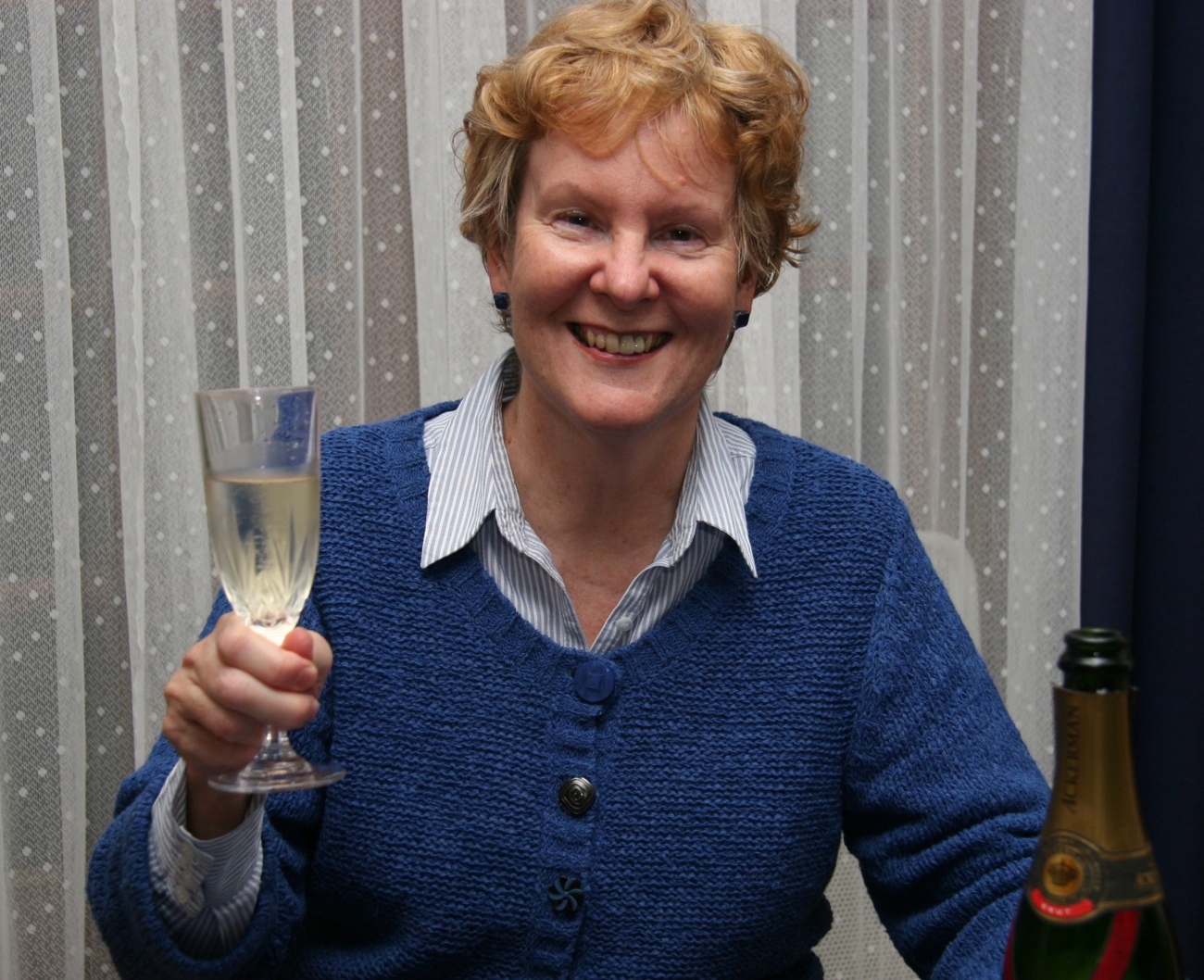
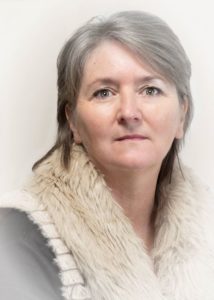
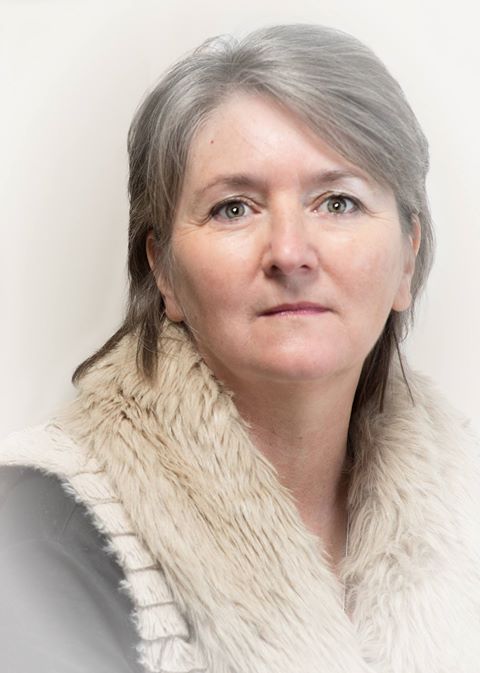
 Today’s guest, Jean Gill, is a very experienced writer brimming with information and helpful advice. She’s the author of twenty-one books, including the award-winning ‘Troubadours’ series. She’s a Welsh writer and photographer living in the south of France with two scruffy dogs, a beehive named ‘Endeavour’, a Nikon D750 and a man. For many years, she taught English and was the first woman to be a secondary headteacher in Wales. As mother or stepmother to five children, life was hectic. Today’s guest, Jean Gill, is a very experienced writer brimming with information and helpful advice. She’s the author of twenty-one books, including the award-winning ‘Troubadours’ series. She’s a Welsh writer and photographer living in the south of France with two scruffy dogs, a beehive named ‘Endeavour’, a Nikon D750 and a man. For many years, she taught English and was the first woman to be a secondary headteacher in Wales. As mother or stepmother to five children, life was hectic.
Her range of work is very wide: prize-winning poetry and novels, military history, translated books on dog training, and a cookery book on goat cheese. With Scottish parents, an English birthplace and French residence, she can usually support the winning team on most sporting occasions.
Over to Jean!
You have a story in your head but you don’t know how to begin? Try one of the five ‘D’s to get you started!
1) Dramatic moment
Jump into a moment of high drama! A car chase, attempted murder, a stalker in the house, the birth of a dragon. (Ah! our old friend ‘in media res’)
2) Dialogue
If you can hear your characters speaking to each other and feel the tension, create the characters through what they say. One good tip I was given by a television playwright was to write down the conversation then delete as much as it takes (Hello, how are you?) to get to the interesting part (Why didn’t you go to the funeral?).
3) Description
a) place
b) person
Many classic works of literature start with ‘setting the atmosphere’ or creating a character through descriptions that hook the reader. The technique can still work – try it!
e.g (place) Even the rats avoided Grampton Tip – or never left there alive.
e.g. (person) Jonah was a man who believed passionately that others should save the planet.
4) Dicton – a philosophical statement or quotation
I confess – I’ve cheated and used the French word dicton to give me the fourth D. This is another classic method. Who doesn’t recognize ‘It is a truth universally acknowledged that a single man in possession of a fortune must be in want of a wife’? This technique can be brought up to date as a statement or as a question e.g What woman in her fifties would marry for the same reason she did at twenty?
5) Double-back – start at the chronological ending
Try starting with the ending (or the middle), making the reader wonder how this point was reached.
An exercise for writers
Here’s a simple outline for a plot – write a beginning for it using one or more of the ‘D’ beginnings.
You can read my beginning below using technique number 5 – Double back.
- Gordon and Ellie, both single cops, have been in a sexual relationship for 3 months but they work together so they have to keep it a secret.
- The boss finds out and gives them the ultimatum – one of them has to ask for a transfer or they have to end their relationship.
- Gordon wants to be self-sacrificing and be the one to move job.
- Ellie doesn’t want the pressure of his being a martyr and is worried that it will become a cause of resentment between them in the future, but neither does she want to transfer.
- They don’t want to split up and they love each other. The situation forces them to realize that they do want to commit to each other.
So they resign and set up their own consultancy private detective business as business partners and lovers, by their own rules.
Over to you – have fun trying out some ‘D’ beginnings of your own!
My beginning (Double-back)
‘I gave up my career in the force for you and look at us now! No, clients, no money and too many of these!’ Gordon picked up a handful of the bills in the Intray, scrunched them into a ball and through them on the floor. ‘And you just sit there, getting fatter! I’m going out. If I’m lucky, I’ll see someone murdered and get us some work!’
The bell tinkled cheerily on the door as he slammed it behind him and Ellie saw his angry stride along the street, carving up the gossiping strollers with their shopping bags and small children. She had always loved the bell, with its promise of clients and resolutions. When had it grown so sarcastic?
Every movement an increasing weight, pulling her further down to an airless void, Ellie bent to pick up the bills, opening them out, unfolding them, smoothing them again and again with her long fingers as she placed them neatly, in date order, in the overflowing Intray.
Thank you, Jean, especially for the challenge at the end!
Find out more about Jean
Website Twitter: @writerjeangill Facebook
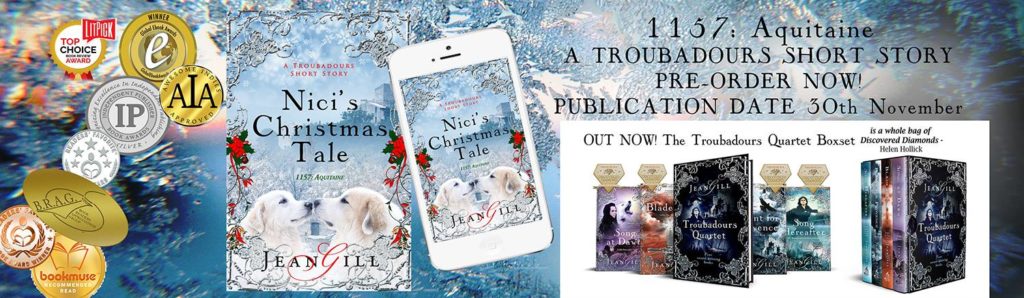
Read this short story from Jean’s award-winning Troubadours series
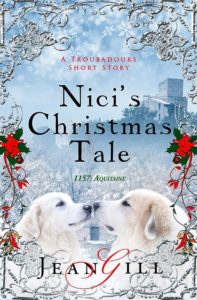
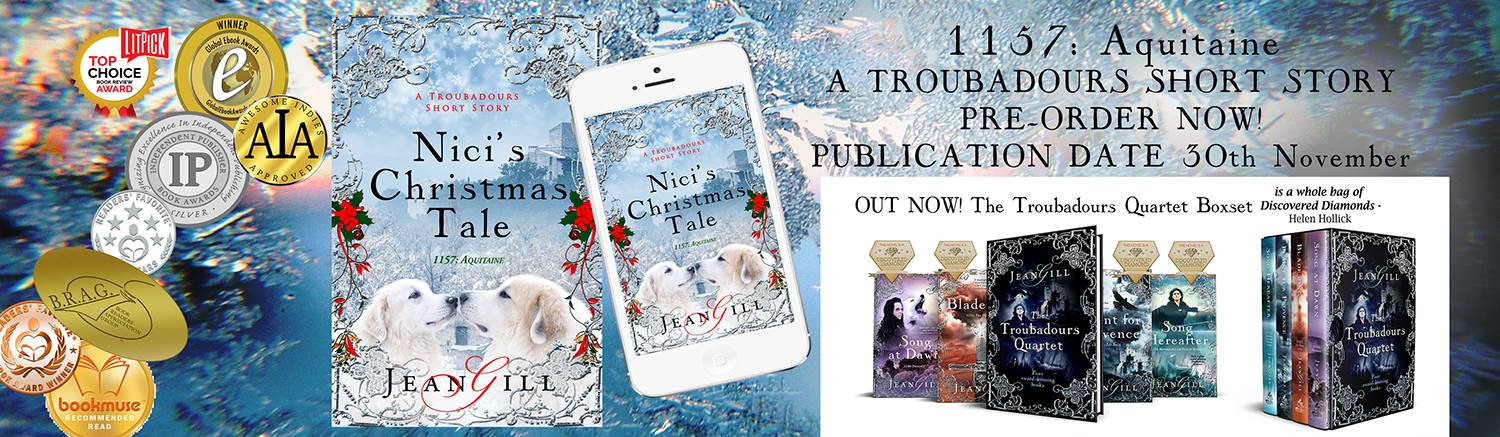
1157: Aquitaine. The wolves are coming! At midnight on Christmas Eve, while the blizzard blasts snow through every crack in the castle walls, Nici the Shepherd’s Dog stands guard in the sheepfold.
Beside him as usual are his pack and the flock they protect but this night is not usual at all. A small boy braves the snowy night, seeking the protection of his great friend while he is banned from his parents’ quarters in the castle.
Nici recalls other times and other dangers, his trials and failures, the reasons why he ran away with a young girl, now the little boy’s mother. He would still give his life in a heartbeat for Lady Estela.
And yet, on this snowy night, he cannot help her. So, while he waits and comforts Estela’s son, he tells his own puppies the story of a dog’s life.
‘One just wants to sit down with Nici as he shares his story in that cozy sheepfold while the cold winds rage outside on Christmas Eve.’ Emily-Jane Hills Orford for Readers’ Favorite
You can buy Nici’s Christmas Tale here: https://books2read.com/NicisTale in your favourite ebook format.
Alison Morton is the author of Roma Nova thrillers INCEPTIO, PERFIDITAS, SUCCESSIO, AURELIA, INSURRECTIO and RETALIO.CARINA, a novella, and ROMA NOVA EXTRA, a collection of short stories, are now available. Audiobooks are available for the first four of the series.
Find out more about Roma Nova, its origins, stories and heroines… Get INCEPTIO, the series starter, FREE as a thank you gift when you sign up to Alison’s monthly email newsletter
If you enjoyed this post, do share it with your friends!
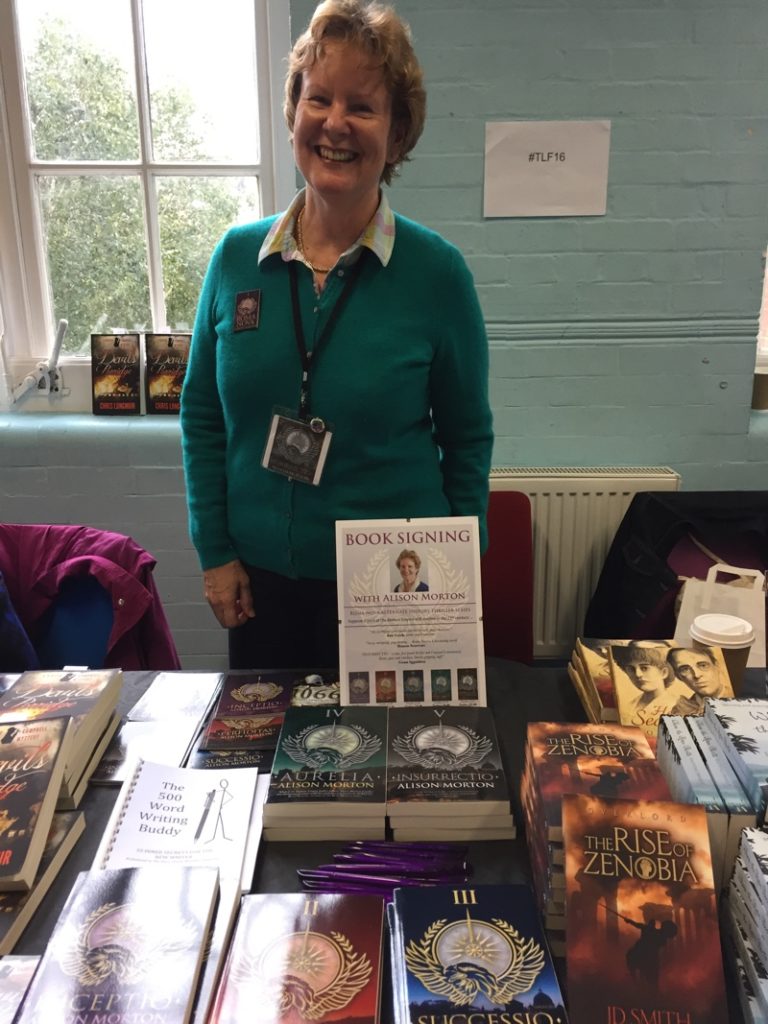 At the Triskele LitFest This post was updated in 2021.
It’s generally accepted that it’s easier to market a series of novels than separate, stand-alone ones.
It’s also more fun to write as you can introduce more entanglements and conflicts across several books. 😉
But if you already write a novel series you can expand their reach further by offering stories of different lengths and in different formats within the same series, such as short stories, novellas and box sets.
Nine reasons why
Assuming that you’re writing or plan to write a series of novels, think about this…
- Writing in short, medium and long forms is very good for your writing muscles. It challenges you to use different techniques and be agile in applying them.
- You will not only satisfy your fans with different and new offerings…
- …you can also target new readers with enticements.
- You can offer good reading at different price points and of different lengths. People can be money and time-strapped and offering that variety gives them access to your work.
- A varied offering catches all kinds of readers: those who are voracious and those who go at a gentler pace. Some haven’t stopped reading since early childhood, others are hesitant or returning readers. Some like short and sharp, others full immersion or listening rather than reading.
- Carefully co-ordinated with covers and blurbs, each item reinforces your brand.
- More products on a table (virtual or real) reassures readers they are buying from a serious, professional author.
- You can give away one smaller book and still leave plenty in your range to sell through.
- It can be economical for you as an author – a box set only has to be compiled not written.
Case study: my Roma Nova thriller series
When I started writing my first novel of 98,000 words, INCEPTIO, I had no idea it would generate two more. When I was writing the third, I then realised I had to explore the story of the younger version of an important secondary character. That became three more books. I ended up with over half a million words in two trilogies. The stories had sprung from my heart and imagination; I didn’t write them to make money. However, I’d run small businesses at different times before becoming a writer and the entrepreneurial instinct hadn’t faded. These six books which gave me so much pleasure were also products.
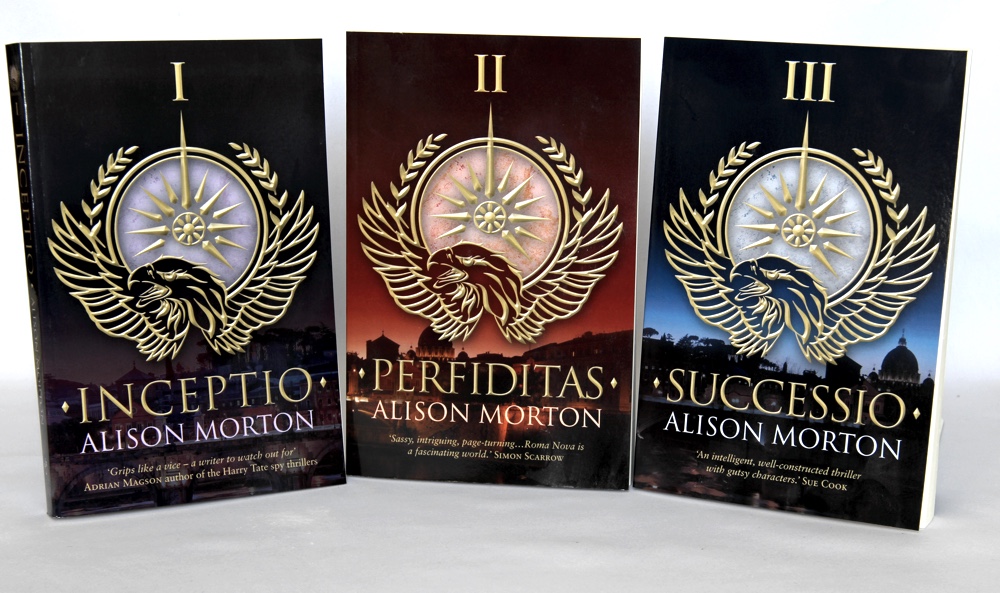
The Carina trilogy
I marketed INCEPTIO as a thriller featuring a female protagonist in a different, but modern Roman reality, but with many similarities to our timeline. Her story was one of self-empowerment – a strong theme. The second, PERFIDITAS, followed six months later as a sequel six years later. Nine months after that, I marketed SUCCESSIO as completing the trilogy and as revealing some of the secrets referred to in the first two books. All the novels stand by themselves, but I suggested (strongly) that reading all three would give the reader an enriching experience.
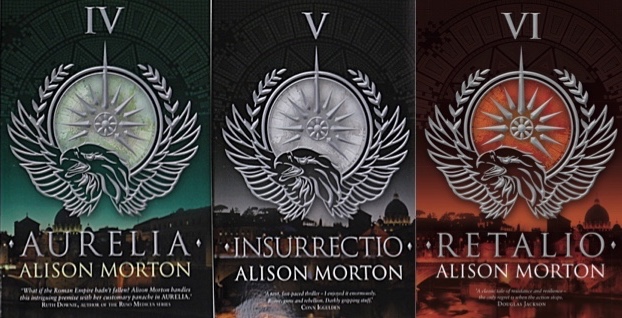
The Aurelia trilogy
After the fourth book, AURELIA, came out, I risked marketing it as a historical as it was set in the 1960s. It worked; it became one of four finalists in the 2016 Historical Novel Society Indie Award. Its two sequels, INSURRECTIO and RETALIO, covered the dark days in Roma Nova in the early to mid-1980s. Altogether, that second trilogy covered backstory to the first and revealed and reinforced events in the first, so could be cross-marketed as a prequel trilogy.
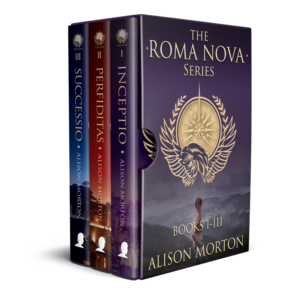
Two Box Sets
As an experiment, I bundled the first three ebooks into a box set with the price at two-thirds of the individual books together.
Although a sensible decision as a marketing initiative, my fear was that it would cannibalise sales of the individual books. It did to some extent; in the first two months, the sales of the first three dropped by an averaged 50%, but income from box set sales more than made up for it. Now, they all make regular sales.
This has encouraged me to produce a second box set which will be out late November/early December to catch the pre-Christmas market.
Update: I did produce that second set and revised both sets in 2021 with new covers and to include the novellas, so readers now get four books in each collection, or ‘omnibus’.

Audiobooks
In 2016, Blake Friedman Literary Agency sold the first four books to Audible UK. Readers (Listeners?) tell me they listen on trains, at home and on holiday, but also switch between print books, ebooks and audio. And audio is reckoned to be the next biggest growth market…
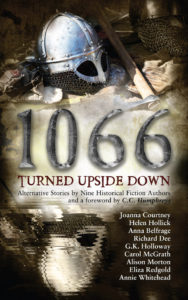 Anthology story Anthology story
Later that year, I was invited to contribute a Roma Novan story to 1066 Turned Upside Down, an collection of alternative outcomes of the 1066 Norman Conquest. I was known in the historical fiction community as an alternative history writer. They were all ‘proper’ medievalists, so the research was challenging. Writing short form dragged me out of my comfort zone, but it exposed my writing to a new audience. Result!
Since then, I’ve contributed to two more anthologies – one Roman (RUBICON) and one historical (Betrayal)
Novella
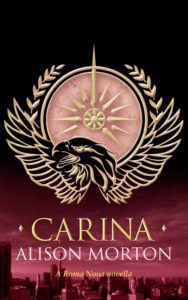 In the meantime, everybody seemed to be writing novellas, so I picked on an incident referred to but not described in my second book and turned it into a 35,000 story called CARINA, the character’s name. (I’d chosen that name for the heroine back in 2009 before Harlequin Mills & Boon used it as a brand!) That went out as a short, sharp read at £1.29/$1.49. In the meantime, everybody seemed to be writing novellas, so I picked on an incident referred to but not described in my second book and turned it into a 35,000 story called CARINA, the character’s name. (I’d chosen that name for the heroine back in 2009 before Harlequin Mills & Boon used it as a brand!) That went out as a short, sharp read at £1.29/$1.49.
I admit that I wrote CARINA to market, as an enticement, although I did enjoy writing it. At first an ebook released in 2017, I used my newly acquired Vellum publishing software to produce a paperback April this year. Why? Firstly, fans asked me, and secondly, it’s a perfect giveaway. The glossy cover and distinctive eagle branding are immediately obvious and I’m not ‘sacrificing’ my main books.
So… now in the series, we have six full-length novels, two trilogies, contributions to multi-author anthologies and two novellas. What was missing?
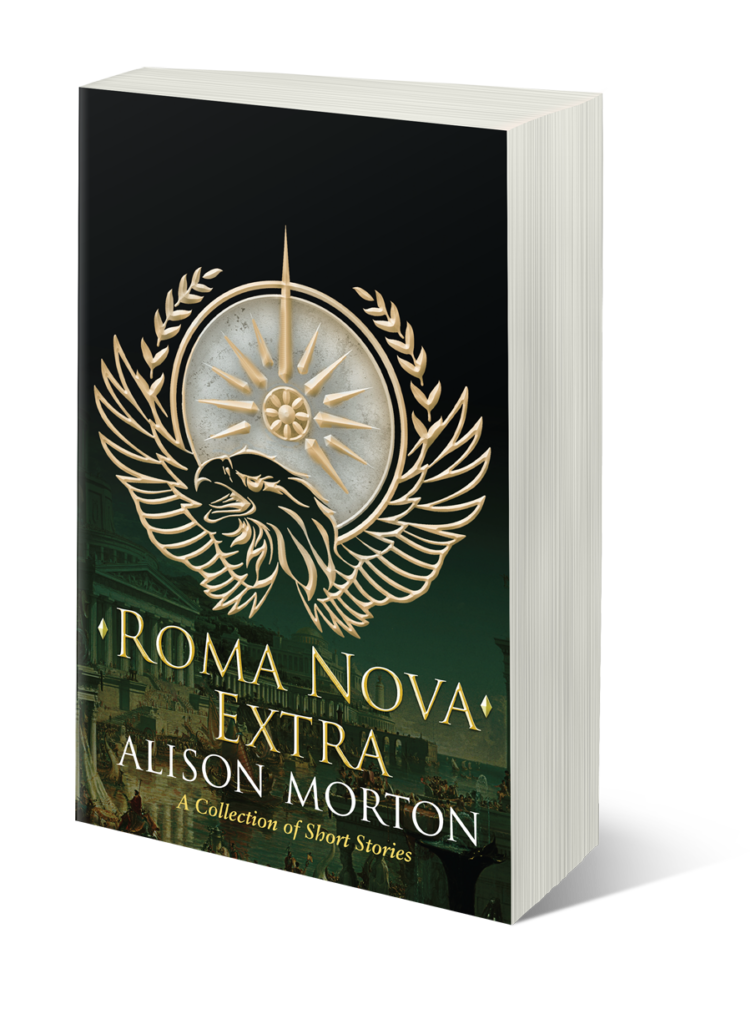
Short Story Collection
Ah, yes, short stories. Heartened that I had got over the barrier of my short story reluctance with the 1066 Turned Upside Down contribution, I decided to put together a collection of moments and incidents outside the main stories.
Eight stories – four historical and four modern – they would be previously ‘hidden’ events, but still stories that could be read and enjoyed by new readers. Again, they would maybe draw in those new readers.
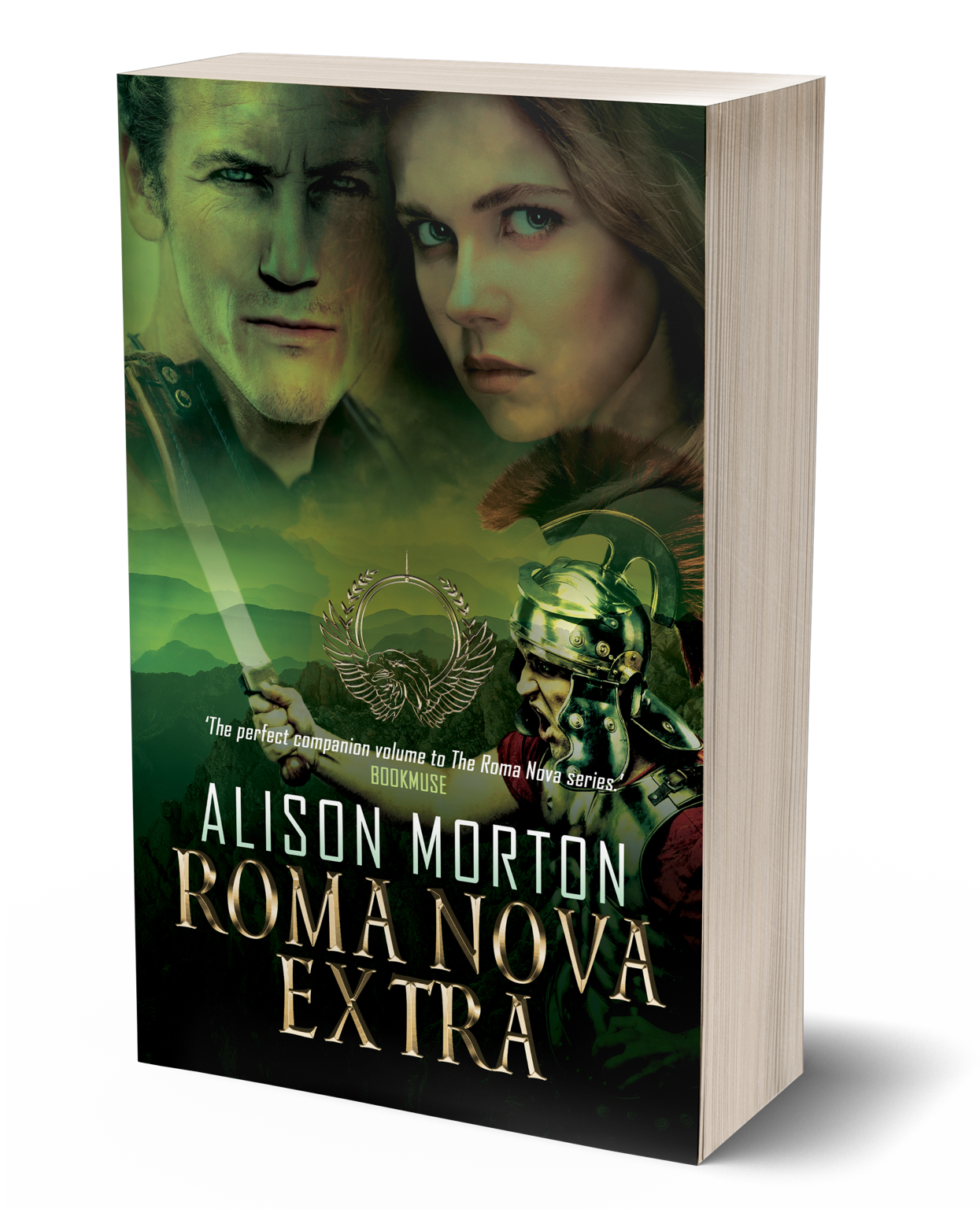
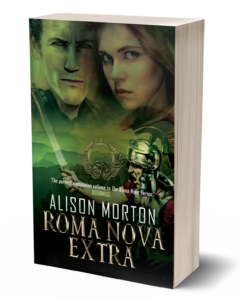
At 60,000 words, ROMA NOVA EXTRA went out in 2018 at £1.99/$2.99 (ebook). But I have not made the same mistake of delaying the paperback version; that just irritates fans. That’s available at £5.99.
In summary
To sum up in marketing-speak, “the supply of different and better goods allows for deeper fulfilment of consumption needs.”
In English, with variety, you are handing choice to the reader who is, of course, is the most important person in this whole scenario.
Based on a post written for the Alliance of Independent Authors’ blog
————-
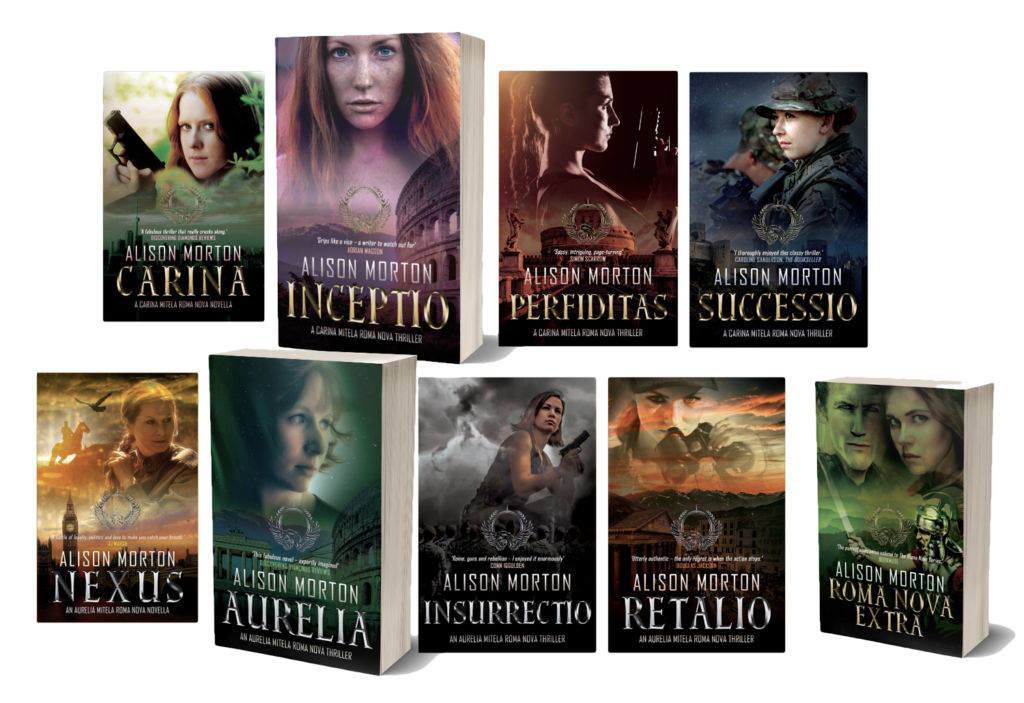
Addendum: A few weeks after writing this, I decided, for marketing reasons (of course) to change the book covers. You’ll now find them looking like this:
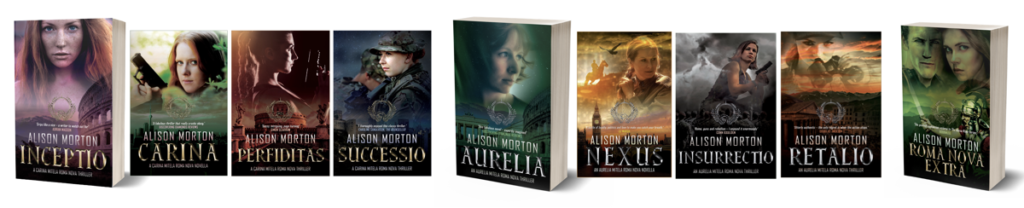
Alison Morton is the author of Roma Nova thrillers – INCEPTIO, CARINA (novella), PERFIDITAS, SUCCESSIO, AURELIA, NEXUS (novella), INSURRECTIO and RETALIO, and ROMA NOVA EXTRA, a collection of short stories. Audiobooks are available for four of the series. Double Identity, a contemporary conspiracy, starts a new series of thrillers.
Find out more about Roma Nova, its origins, stories and heroines and taste world the latest contemporary thriller Double Identity… Download ‘Welcome to Alison Morton’s Thriller Worlds’, a FREE eBook, as a thank you gift when you sign up to Alison’s monthly email newsletter. You’ll also be among the first to know about news and book progress before everybody else, and take part in giveaways.
If you enjoyed this post, do share it with your friends!
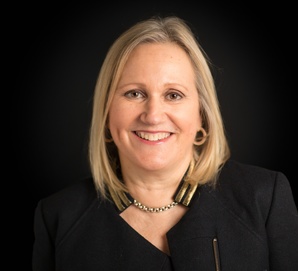 Today I’m delighted to welcome writing friend Carol Cooper to the blog. She’s an author, family doctor, and medical journalist. After a string of health books, she turned to writing fiction. Her novel Hampstead Fever featured in a prestigious front-of-store promo in WH Smith travel bookstores. Carol lives in Hampstead and Cambridge and is working on further books. Today I’m delighted to welcome writing friend Carol Cooper to the blog. She’s an author, family doctor, and medical journalist. After a string of health books, she turned to writing fiction. Her novel Hampstead Fever featured in a prestigious front-of-store promo in WH Smith travel bookstores. Carol lives in Hampstead and Cambridge and is working on further books.
Writers are always threatening to put people who’ve upset them in their next novel, but rarely do. Sometimes a coincidence is just that. But convincing people it’s not intentional? Over to Carol!
I’d always wanted to be an author, but my debut novel turned out to have unforeseen consequences. As soon as One Night at the Jacaranda was out, people asked if they were in my book.
Some assumed they were and went straight for, “Which one am I?” One reader believes she’s the stunning but self-doubting lawyer, and half a dozen friends insist they’re Karen, the single mother of four.
As for the doctor I’ve called Geoff in my novels, my husband Jeremy remains convinced it’s him. This despite the fact that Jeremy isn’t a medic and has no discernible similarities with my fictional GP, though someone did once mistake his name for Geoffrey at a party.
The bottom line is that none of the many characters I’ve written is anyone I know. Novels are fiction, goddammit. Yet no matter how often I repeat this, or point out the dinky disclaimers at the front of my books, some people still expect to find themselves in there, at least in a cameo role.
But why would an author put real people in novels, when it might be deemed to infringe someone’s privacy, or bring the risk of libel suits? Libel is a false statement – presented as fact and concerning a person – that causes damage to their reputation. Pointing out that a novel is a work of fiction may not even be enough to keep an author out of court, I’m told, so I’m not chancing it.
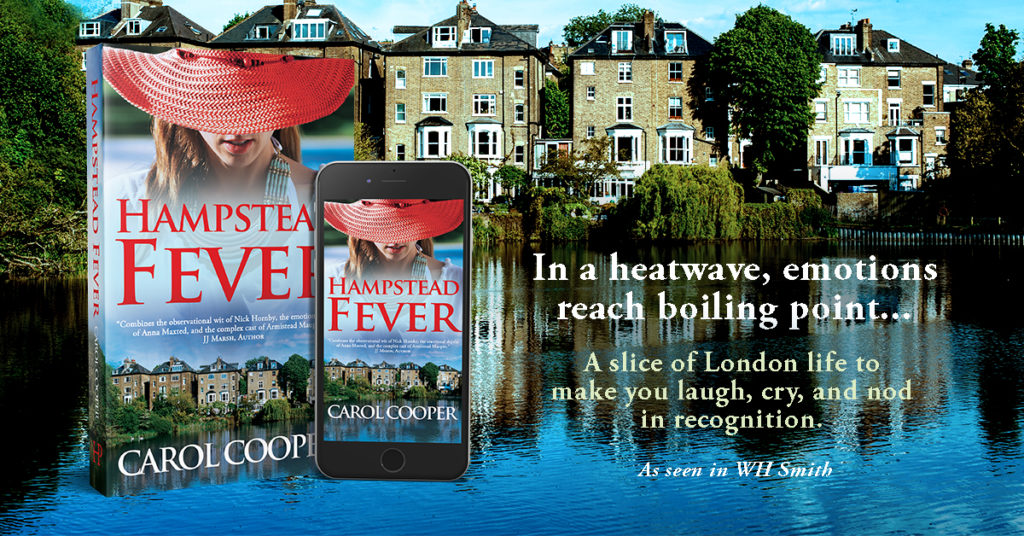
The closest I’ve got to using a real person is in Hampstead Fever, where I have a Jeremy Paxman lookalike striding into the lobby of Broadcasting House one late night, while Dan, my fictional chef, waits to be allowed into the studio with the platter of fish he prepared earlier.
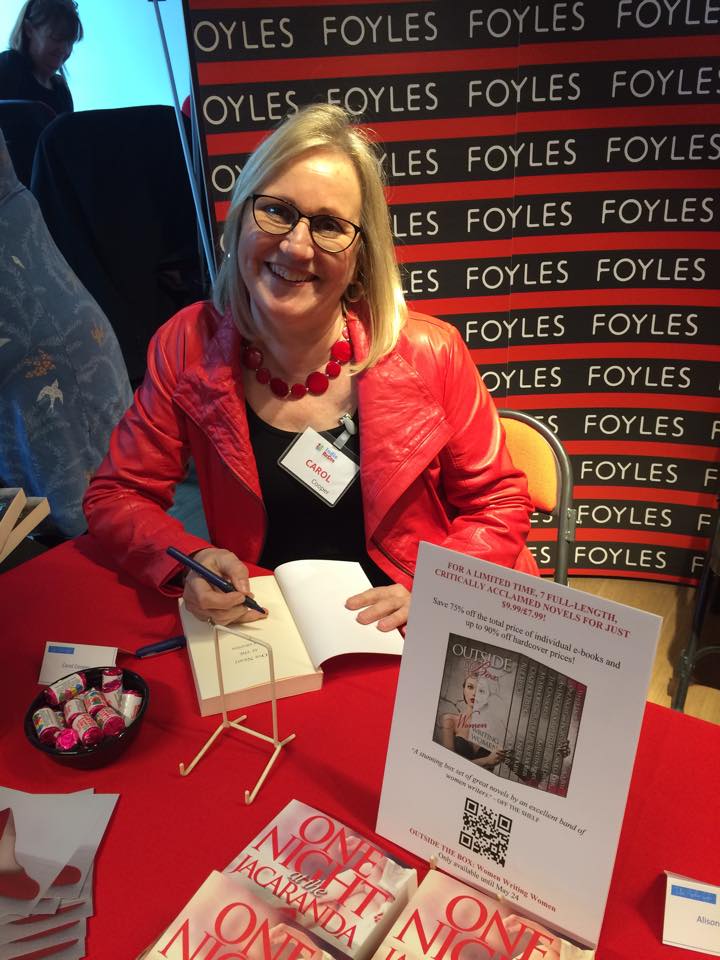
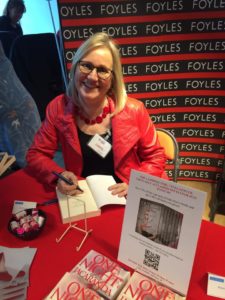 Signing books at Foyles I admit it’s tempting to incorporate people I know, like one particularly memorable patient from some thirty years ago. “You should write a novel about general practice,” said my then tutor as I returned from yet another house call.
Nonetheless, it would be wrong to use Mrs X or another of the other quirky characters I’ve met since I trained as a family doctor. Writing patients into books isn’t just breaking medical confidentiality. It’s stomping on it in hobnail boots, throwing it on a bonfire, then scattering the ashes to the four winds.
Then there are colleagues past and present: devoted, brilliant, arrogant, eccentric, disillusioned, or just drunk. No surprise I’ve included a doctor in both my novels to date, and there’s one in the next book too. My Geoff is going through a mid-life crisis and wonders if he really does make people better. I like to think he comes across as genuine.
All the same, he’s not based on any one person in particular. And he’s definitely not you, even if you’re burnt out, divorced, and estranged from your only child.
It’s as if readers can’t believe that anyone can conceive a novel with a multiplicity of characters and viewpoints without recruiting real people.
But the truth is, authors have fertile imaginations. We can sit all alone at our desks all day and dream up not just a cast of motley characters but entire worlds. My novels are contemporary and the worlds I create tend to be rooted in the here and now. I’ve squeezed yet another upmarket eatery into Hampstead’s iconic Flask Walk, without so much as a whisper to the planning authorities. That doesn’t make Lolo’s restaurant, where chef Dan toils in Hampstead Fever, any more than a fantasy.
All novelists use elements of their own experience to lend authenticity, which is different. That’s why my dramatis personae includes a struggling freelance journalist, anxious new parents, a young man diagnosed with cancer, a single mother who rarely has energy for anything more strenuous than lifting a glass of cheap wine, and a dazzling actress who takes part in clinical scenarios to help medical students learn bedside manners.
Novels aren’t real, but they should, I believe, be relatable. It’s what makes readers smile in recognition and keep turning the pages.
Thank you, Carol. I couldn’t agree more! And I loved ‘One Night at the Jacaranda.’
What’s Hampstead Fever about?
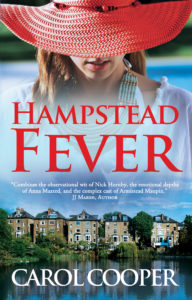
In a sizzling hot summer, emotions reach boiling point.
The lives of six Londoners overlap and entangle as each of them searches for love, sex, money, or just a respite from squabbling children.
Set in Hampstead, North London, this slice of contemporary urban life will especially appeal to fans of the film Love, Actually.
Amazon Kobo Apple/iBooks B&N Nook
Find out more and connect with Carol:
Blog: Pills & Pillow-Talk Twitter: DrCarolCooper Instagram: drcarolcooper
Website: drcarolcooper.com Facebook author page: Carol Cooper’s London Novels
Alison Morton is the author of Roma Nova thrillers INCEPTIO, PERFIDITAS, SUCCESSIO, AURELIA, INSURRECTIO and RETALIO. A Roma Nova novella, CARINA, is published 23 November 2017. Audiobooks now available for the first four of the series
Find out more about Roma Nova, its origins, stories and heroines… Get INCEPTIO, the series starter, FREE as a thank you gift when you sign up to Alison’s monthly email newsletter
If you enjoyed this post, do share it with your friends!
First you have an idea, then you think it through, conjure up characters or sometimes try to stop them yammering at you, then you imagine a setting and stir all together into a really sticky problem.

Several months later or sometimes a year later, out comes a typed manuscript. If you’ve chosen to go the indie publishing route, give up a social life, television and sleep. Now you enter the world of running a business or at the least managing a complex major project. Think ‘Grand Designs’.
Commissioning a cover
Ah! First you need to think about what image you want to project, what brand to create for your work. What concept is behind your book? What image or idea will the cover convey?
The design will kill or make your book, so you need to be clear about these things. This is your chance to wander into bookshops and surf online book stores to see what is attractive in your genre and call it ‘work’.
Next you will need to listen to your chosen cover designer who may want to do something different. The professional ones tend to know what sells and what doesn’t while still producing a creatively satisfying window into your work. But you will need to work with them, contributing without being insistent or protective. You will need good communications and an eagle eye to check each round of cover proofs. Oh, and you’ll need to work up some super-enticing back cover copy, and, if possible, some supportive endorsements.
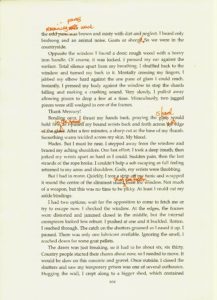 Editing and proofreading Editing and proofreading
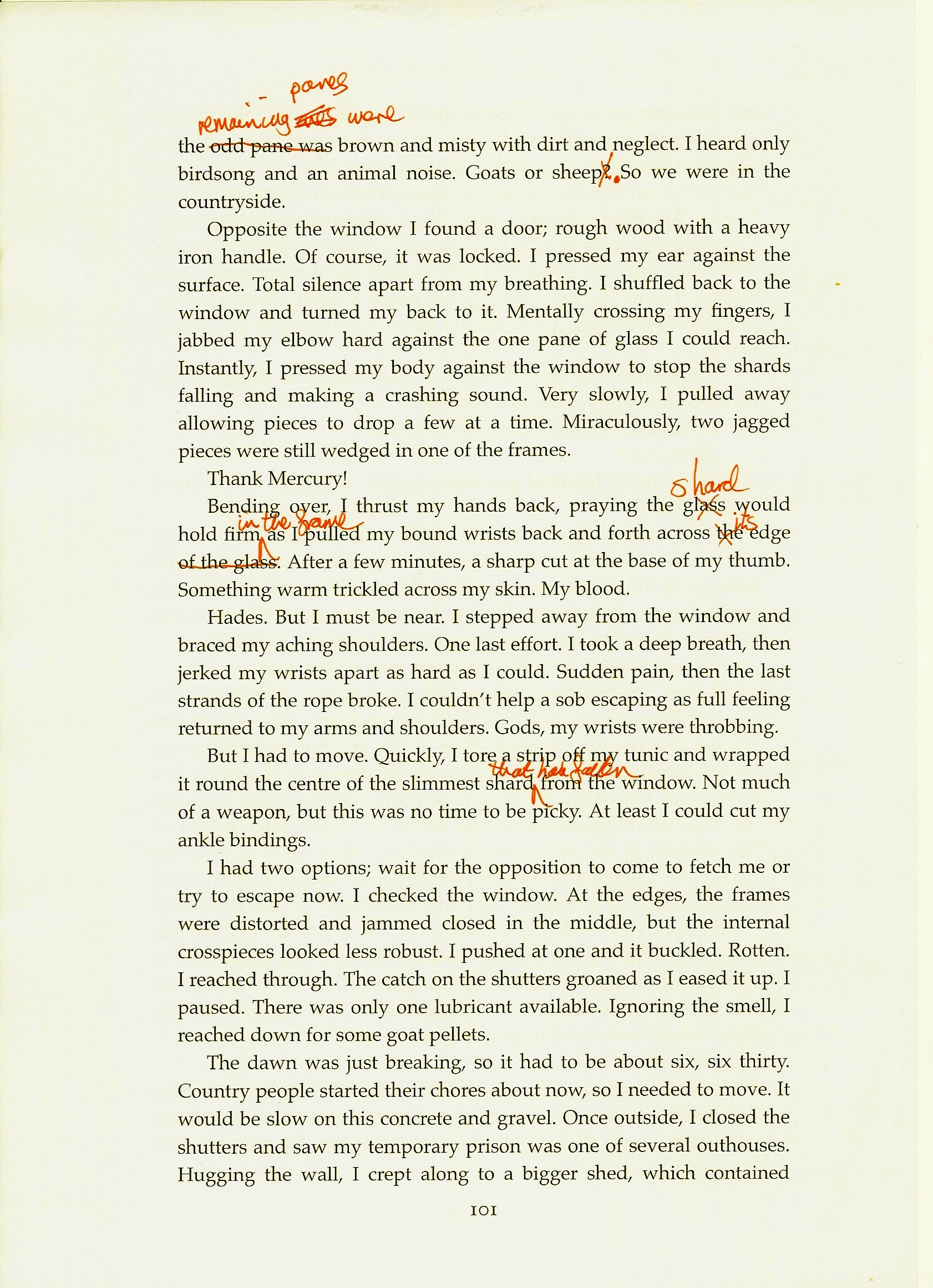
Realistically, schedule 4-6 weeks, depending on whether you have booked your editor in time. You will have self-edited anyway and sent out the manuscript to your critique partner, beta readers, street team or writing circle, before the final version goes to the professional (paid for) editor. I usually have three rounds before going to the copy editor. This takes time and concentration; none of it should be skimped. After the copy edit and revisions, your book is formatted and then comes proofing. By now, you are so fed up with the manuscript, you want to hide under the table, but no, you have to gather up your grit (as my heroine Carina says) and get on with it, meticulously. If you really, really can’t bear to face it, commission a professional proofreader.
Formatting
Now your book is taking shape. You can use a formatter (human being) or risk uploading it as a Word document to a distributing retailer and let their software produce a file, or format it yourself with publishing software. Set aside time for this and for making cups of tea to refresh your patience.
I use Vellum software which does all the hard work for you with a range of pre-set templates, but which you can (if you are fussy geek like me) tweak to produce all kinds of different effects.The beauty is that you can play with it before you buy. Although you can use the same Vellum file for ebook and print versions, I use separate files as I like things in different order in the different formats. I allow plenty of time for this stage, but I have to say, it always takes less time than I’ve budgeted for.
Now you have to proof the files Vellum has generated before you upload them to distributors and retailers (see above).Your eyes will go into bulge and red-rim mode again and you may have to do corrections and last minute tweaks. When completely sure (and I never am, but time presses), order your print proofs.
Pre-launch stuff
 Tony Riches’ The Writing Desk blog While you’re waiting for copy-edits or structural edits or beta readers and at least 4-6 weeks before publication date, you spend days at the email coalface contacting all the friends, fellow authors, bloggers and reviewers you know to ask for their help launching your treasure. You will have set up a spreadsheet, of course, to track it all to include name, email, website, what you agree on after a little negotiation (guest post, review, Q&A), date agreed, date drafted and date sent.
When the post is published on that person’s blog, you then should tweet, post on Facebook or wherever and check back for comments, especially if you offer a giveaway of your book. And enter the URL in your spreadsheet so you can repost/retweet in a few weeks’ time without scurrying around the Internet.
Next, write those guest posts, and send them in with appropriate images at least a week before the due date. Nothing annoys bloggers more than receiving the material the day before!
Write posts on your own blog about research, motivation, character studies, and post short extracts. Set up tweets and posts, etc. in the week or two before publication date including little graphics sporting a ‘Pre-order now’ sticker. And if you have a spare moment (falls over laughing), set up tweets, etc. for publication day itself.
The day or two before publication….
Get some sleep. You’ve done the heavy lifting for now. The odd tweet, a last minute blogpost, chatting in groups – these are all pleasures of the ‘lull’.
Publication day
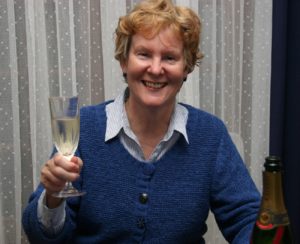 And breathe… And breathe…
You’ll post on all your social media that your book is out, chat to fans who bought your book on pre-order, perhaps host an online party and generally bask in congratulations. A glass of bubbly is completely allowable even at 10 a.m.
There are zillions of books and tons of advice about publication day events, so I won’t duplicate them here, but for indies, this is just the start. Your blog appearances are beginning, and you’ll need to keep up with those hosting websites. Reviews will come in and you’ll move onto he next phase of marketing.
What?
Post-launch marketing
This phase lasts years, possibly into infinity. ‘Long tail marketing’, or continuous marketing, is normal in the indie world as you control it. Your work is not sidelined after a few weeks to make way for the next author’s launch. You are the star of your own show. I still market my first trilogy, especially my first book, INCEPTIO; that’s five years old and it still attracts five star reviews from new readers.
 But you’re still going to have to keep up the hard work. Oh, and write the next book at the same time. But you’re still going to have to keep up the hard work. Oh, and write the next book at the same time.
ROMA NOVA EXTRA, a collection of short(-ish) stories ranging from 270 AD to 2019 is available now as an ebook on Amazon, B&N Nook, Apple/iBooks and Kobo and as a paperback from your usual bookshop.
Alison Morton is the author of Roma Nova thrillers – INCEPTIO, CARINA (novella), PERFIDITAS, SUCCESSIO, AURELIA, NEXUS (novella), INSURRECTIO and RETALIO, and ROMA NOVA EXTRA, a collection of short stories. Audiobooks are available for four of the series.Double Identity, a contemporary conspiracy, starts a new series of thrillers. Double Pursuit, the sequel, is now out!
Find out more about Roma Nova, its origins, stories and heroines and taste world the latest contemporary thriller Double Identity… Download ‘Welcome to Alison Morton’s Thriller Worlds’, a FREE eBook, as a thank you gift when you sign up to Alison’s monthly email newsletter. You’ll also be among the first to know about news and book progress before everybody else, and take part in giveaways.
If you enjoyed this post, do share it with your friends!
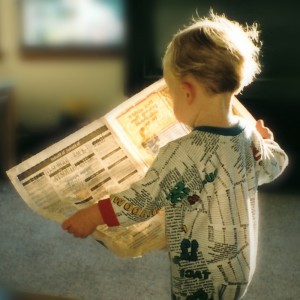 Much as we moan about marketing emails, Facebook adverts, stuff pushed into out letterboxes, we are very lucky to live in the information age. Honestly. Much as we moan about marketing emails, Facebook adverts, stuff pushed into out letterboxes, we are very lucky to live in the information age. Honestly.
As a child, I used to have to look up topics in the ginormous Encyclopaedia Britannica at home, cycle to the local reference library or write off to organisations and companies. Then there’d be hours making copious notes, shelling out for postage or photocopying (if you were lucky) and then waiting. And waiting….
Today, all we do is tap a few keys and hey, presto! Pages and pages appear in front of our goggling eyes. Now, there’s a lot of rubbish out there, but amongst it there are expert sites, photos, access to university research, virtual visits to the world’s wonders, even direct contact with astronauts circling that world. Somewhere, there is information about everything.
But… (You know me 🙂 )
The biggest problem is overload. Where do we start?
I’ve found that if I sit down and make a list of what interests me, what I’d like to be updated on, whose blog I find amusing, informative or thoughtful, I can weed out all the extraneous stuff. This is also the hardest step. But once decided, you can then choose which information you want to receive and ditch the rest, usually via the spambox. If you receive emails from a list you didn’t subscribe to, that’s now illegal in the EU.** But perhaps you’re like me and have forgotten what you signed up to. Just use the unsubscribe link. If there isn’t one, report the sender to your local data protection agency.
Turning it round the other way, I’d rather have 400 interested and participating newsletter subscribers than 40,000 who just clicked for the free book. Numbers aren’t everything (although 40,000 engaged subscribers would be lovely!).
So what would you get from signing up to my newsletter?
1. You join an established and select team – you get involved, you can share your thoughts.
2. You stay in the loop. In the age of info overload, subscribing means you’ll never miss out on what you actually want to see.
3. You read the latest info from Ancient Rome including photos (Yes, history changes continuously.).
4. Free stuff and offers, the occasional competition plus the opportunity to join the Roma Nova Reviewers club
5. Early news about new releases and sneak peeks
6. Guests who have something interesting to say, not just spammy PR posts
7. It’s once a month, so regular but it doesn’t flood your inbox.
8. Fully compliant with GDPR, so your personal data is safe.
9. And as a thank you for signing up, you can download ‘Welcome to Alison Morton’s World of Thrillers’, a FREE ebook containing two excerpts, one from INCEPTIO, the first Roma Nova adventure and the other a dramatic scene from Double Identity, the first in the Doubles series.

I don’t spam you, nor guilt you out, nor over-promise. WYSIWYG* is probably a bit old fashioned and geeky now, but this is exactly what you get in my thriller world. See you soon!
*What You See Is What You Get.
** Just to reassure you, EU GDPR applies within the European Union and to me and my sites as I’m resident in France. A new (very similar) UK law now applies in Britain.
Alison Morton is the author of Roma Nova thrillers – INCEPTIO, CARINA (novella), PERFIDITAS, SUCCESSIO, AURELIA, NEXUS (novella), INSURRECTIO and RETALIO, and ROMA NOVA EXTRA, a collection of short stories. JULIA PRIMA and EXSILIUM, set in the late 4th century, tell the story of Roma Nova’s foundation. Audiobooks are available for four of the series. Double Identity, Double Pursuit and Double Stakes form a new contemporary thriller series. A new collection of Roma Nova short stories, HEROICA, is now out.
Find out more about Roma Nova, its origins, stories and heroines and taste world the latest contemporary thriller Double Identity… Download ‘Welcome to Alison Morton’s Thriller Worlds’, a FREE eBook, as a thank you gift when you sign up to Alison’s monthly email update. As a result, you’ll be among the first to know about news and book progress before everybody else, and take part in giveaways.
If you enjoyed this post, do share it with your friends!
|
Subscribe to Blog via Email
Join 368 other subscribers.
Categories
Archive
|
 Today’s guest, Jean Gill, is a very experienced writer brimming with information and helpful advice. She’s the author of twenty-one books, including the award-winning ‘Troubadours’ series. She’s a Welsh writer and photographer living in the south of France with two scruffy dogs, a beehive named ‘Endeavour’, a Nikon D750 and a man. For many years, she taught English and was the first woman to be a secondary headteacher in Wales. As mother or stepmother to five children, life was hectic.