 Hm, an interesting one… Hm, an interesting one…
Let’s start with drink. Carina lives on coffee; she was brought up for her first 24 years in the Eastern United States (EUS) and like many office workers in the early 2000s, she drank industrial amounts of it.
On the way to my desk next morning, I grabbed a coffee from the machine and took another ten minutes to mull over Hayden’s visitors in the light of what Conrad and my grandmother had said. [INCEPTIO]
A few chapters on when she’s in the Roma Nova legation in her new, distinctly higher status, coffee almost becomes a source of discomfort and tension:
Gaia Memmia knocked on the door at exactly ten thirty.
‘Coffee?’ I waved a mug at her.
She looked horrified.
‘What?’
‘You can’t serve me.’
‘I’m not serving you. I’m making you a cup of coffee.’
‘Please, let me do it.’
‘Look, this is my kitchen, in my apartment. Here I’ll act like a normal person. Outside, I’ll go along with what you want. End of discussion.’ I added a smile to soften the sting of my words.
I set the coffee on the table opposite my place and sat down. She hovered for some moments, glanced over at me, but eventually took the chair where the coffee was. She sipped and collected herself. Was it going to be this hard with everybody? [INCEPTIO]
 Six years on at the end of a Family Day (all day party), Carina and her grandmother Aurelia share a glass of Brancadorum champagne: Six years on at the end of a Family Day (all day party), Carina and her grandmother Aurelia share a glass of Brancadorum champagne:
‘Thank the gods, that’s the last of the oldies. Fancy a nightcap?’ She picked up a bottle of champagne from a bucket and two glasses and pulled me along to the small back office. There was some kind of dubious card game going on in the main sitting area off the atrium and rather too much flesh was emerging for her liking, she said. Best to leave them to it.
‘A successful day, don’t you think?’ She shucked off her sandals. They were gorgeous: silver with large pearls and semi-precious stones.
I emptied my glass in two gulps and was watching the drops clinging to the inside surface struggling to join and split from the others. Nothing stayed the same for more than a few moments.
‘Carina?’
‘Sorry, Nonna. Of course, a really good day.’ I set my glass down. ‘I think I’ll go up now. I’m tired.’ I leaned over and kissed her cheek.
‘Everything all right, darling? You look upset, not just tired.’ She scrutinised my face, looking for the least thing. I flushed, but didn’t reply.
‘Well, go and have a good night’s sleep. When they’ve all gone tomorrow, we’ll have a proper talk.’ [PERFIDITAS]
Now, there’s consistently only one favourite drink for Aurelia – French brandy
Back in my Foreign Ministry office, I went straight to the tray and poured myself a stiff measure of French brandy. I should have known better than to rise to Caius’s provocation. Of course, it would be stupid to dismiss his threat but I had my guard and despite being in my forties, I wasn’t a complete pushover if attacked personally. [INSURRECTIO]
 Even amongst her colleagues, Aurelia is known to have a fondness for her brandy as a fortifier, but some things are more important Even amongst her colleagues, Aurelia is known to have a fondness for her brandy as a fortifier, but some things are more important
‘I know you mean well, but I cannot ignore the call of going back. Roma Nova is in my blood, my heart and my head. It’s not simple duty. It’s as if Mitelus himself is standing beside me, from the end of the fourth century. He’s wearing his chain mail lorica, gladius in his right hand, gripping his scutum shield in his left. And behind him all the later Mitelae, armed, ready for their battles.’
‘Have you been at the brandy again?’
‘No, and you know it.’ I stood up. ‘Marcella Volusenia, this is my battle in my generation and I won’t shirk it.’ [RETALIO]
 Carina tends to stick to salad, pasta or a sandwich at her desk, but loves going out to the Onyx, her favourite restaurant in the city, especially with her husband, Conrad. There they eat Greek-style food. Roma Nova city offers a great variety of food types. Carina tends to stick to salad, pasta or a sandwich at her desk, but loves going out to the Onyx, her favourite restaurant in the city, especially with her husband, Conrad. There they eat Greek-style food. Roma Nova city offers a great variety of food types.
Both Carina and Aurelia, when on military exercise or operation, will eat field rations. Any serving or ex-military personnel knows that however nutritious they are, their deliciousness rating can be variable!
If based at a temporary camp, soldiers eat whatever the unit cook dishes up and sometimes they can be very lucky. Or not.
But Carina does have one favourite…
 Beginning the day with a fresh egg and bacon roll – hot, salty bacon coupled with the firm liquid of a fried egg bursting in your mouth – in the quiet of a pine forest with the sun starting to shed its early light on you took some beating. The cook grinned at me, sensing an appreciative customer. Beginning the day with a fresh egg and bacon roll – hot, salty bacon coupled with the firm liquid of a fried egg bursting in your mouth – in the quiet of a pine forest with the sun starting to shed its early light on you took some beating. The cook grinned at me, sensing an appreciative customer.
‘Like another one, ma’am?’
I swallowed the last piece and grinned back. ‘No. No, thanks. Nothing could better that.’
‘Coffee and tea are inside, but come back if you want another,’ and he winked.
I pulled the heavy canvas flap of the mess tent aside and found a few other early souls. Passing on the muddy-looking coffee I filled a mug from the tea urn. [SUCCESSIO]
Although including food and drink makes the characters human, too much tea or coffee for the sake of it can become tedious. We don’t need to go through each meal with our characters, especially in a story with a plot going at a smart pace. Like all other elements from day to day life, food and drink should be used sparingly and for either of two purposes: to illustrate something about a character or, for thrillers, to drive the plot forward.
Happy eating and drinking!
Writing challenges so far:
Day 19: Characters’ pastimes
Day 18: Characters’ pet peeves (!)
Days 16 & 17: Favourite outfits (combined)
Day 15: The many-hatted author
Day 14: Show your workplace
Day 13: A funny family story. Or not
Day 12: Early bird or night owl?
Day 11: Favourite writing snacks/chocolate porn
Day 10: Post an old picture of yourself
Day 9: Post 5 random facts about you
Day 8: What’s your writing process?
Day 7: Introduce your ‘author friend’
Day 6: How the writing all began
Day 5: What inspired the book I’m working on
Day 4: The setting for the new Roma Nova book
Day 3: Introducing the main characters Julia and Apulius
Day 2: Introduce your work in progress
Day 1: Starting with revealing information
Alison Morton is the author of Roma Nova thrillers – INCEPTIO, PERFIDITAS, SUCCESSIO, AURELIA, INSURRECTIO and RETALIO. CARINA, a novella, and ROMA NOVA EXTRA, a collection of short stories, are now available. Audiobooks are available for four of the series. NEXUS, an Aurelia Mitela novella, is now out.
Find out more about Roma Nova, its origins, stories and heroines… Download ‘Welcome to Roma Nova’, a FREE eBook, as a thank you gift when you sign up to Alison’s monthly email newsletter. You’ll also be first to know about Roma Nova news and book progress before everybody else, and take part in giveaways.
If you enjoyed this post, do share it with your friends!Like this:Like Loading...
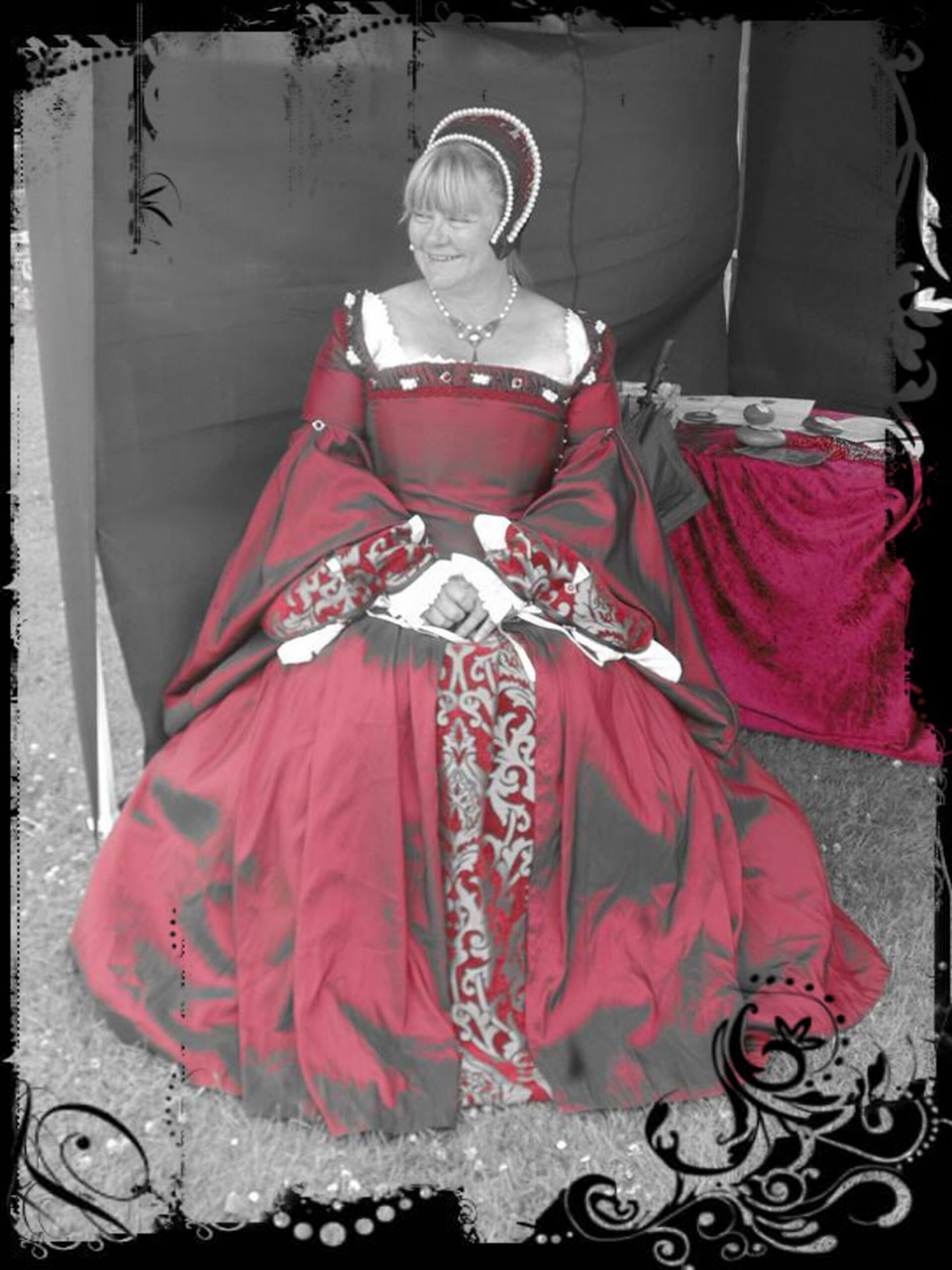
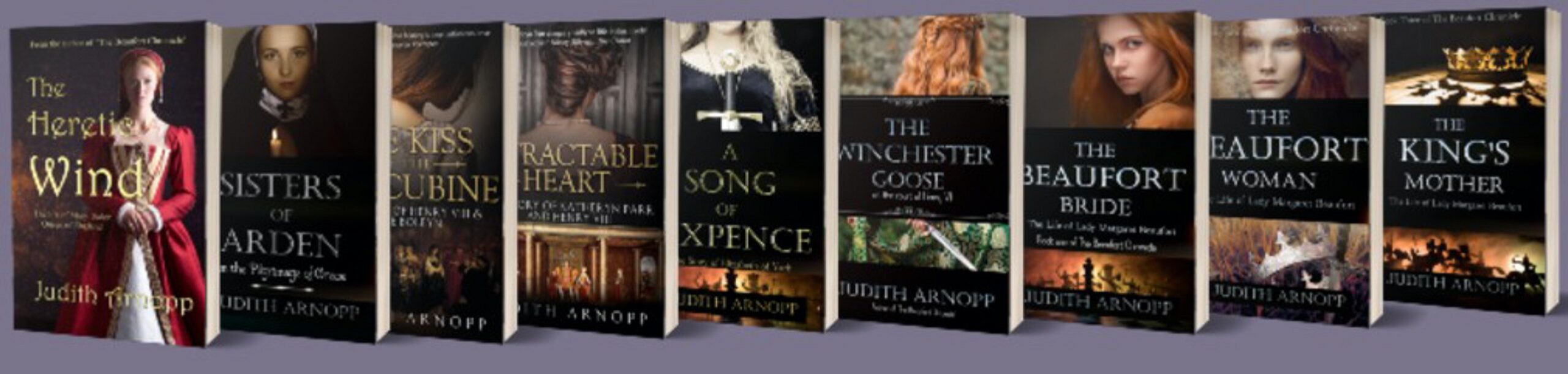
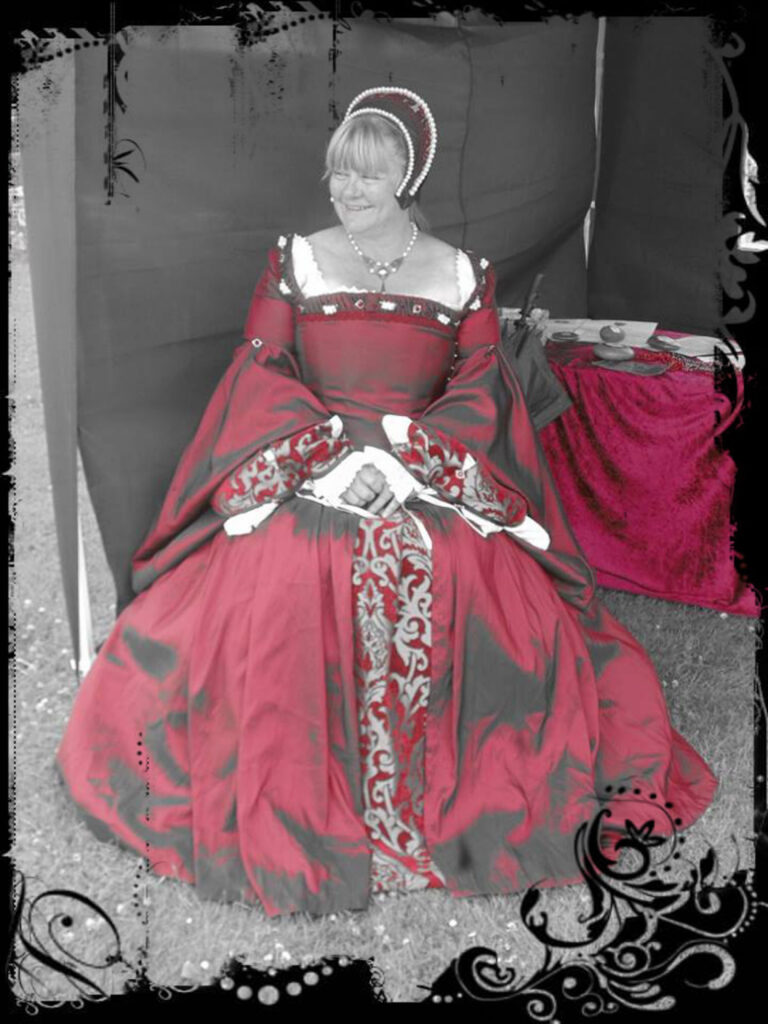 Today, I’m delighted to welcome Judith Arnopp to the blog who writes historical fiction novels, mostly set in the Tudor era. In the past, she has written in the voice of women like Anne Boleyn, Margaret Beaufort, Elizabeth of York and Mary Tudor and is now writing from the point of view of Henry VIII during his marriage to Catherine of Aragon. You can find her work on Kindle, paperback and on Audible. Today, I’m delighted to welcome Judith Arnopp to the blog who writes historical fiction novels, mostly set in the Tudor era. In the past, she has written in the voice of women like Anne Boleyn, Margaret Beaufort, Elizabeth of York and Mary Tudor and is now writing from the point of view of Henry VIII during his marriage to Catherine of Aragon. You can find her work on Kindle, paperback and on Audible.
Judith and I are contributing to an anthology of historical stories about betrayal which will be out in November. Watch this space!
Now over to Judith!
“My books are set in Tudor England, usually featuring a known historical figure. I write in the first person so in effect, I assume the persona of someone we all love (or hate) and try to present them as they might have seen themselves. I don’t excuse their actions or try to shift blame. I simply sit down at my desk and pretend I am them. Of course, I have to do an awful lot of research before I begin but basically, I am playing a game of ‘make believe’.
Tudor England was a violent time and the lives of those I write about fuelled with hate, betrayal, treason, love and death – so much death. Of all those emotions, I find the most difficult to portray credibly is grief: an emotion often displayed by physical collapse, tugging of the hair, wailing or doing self-harm.
This might sound over dramatic but it is a known human response to sudden, irreversible loss so much so that it has become clichéd in literature. Sometimes, after reading through my morning’s work, I hate the fact it reads like a melodrama and I have to begin again. I took me a while but I’ve learned to write the scene once using all the instinctive overdramatic, bodice heaving emotion required to allow my character to vent his feelings but I then rewrite it.
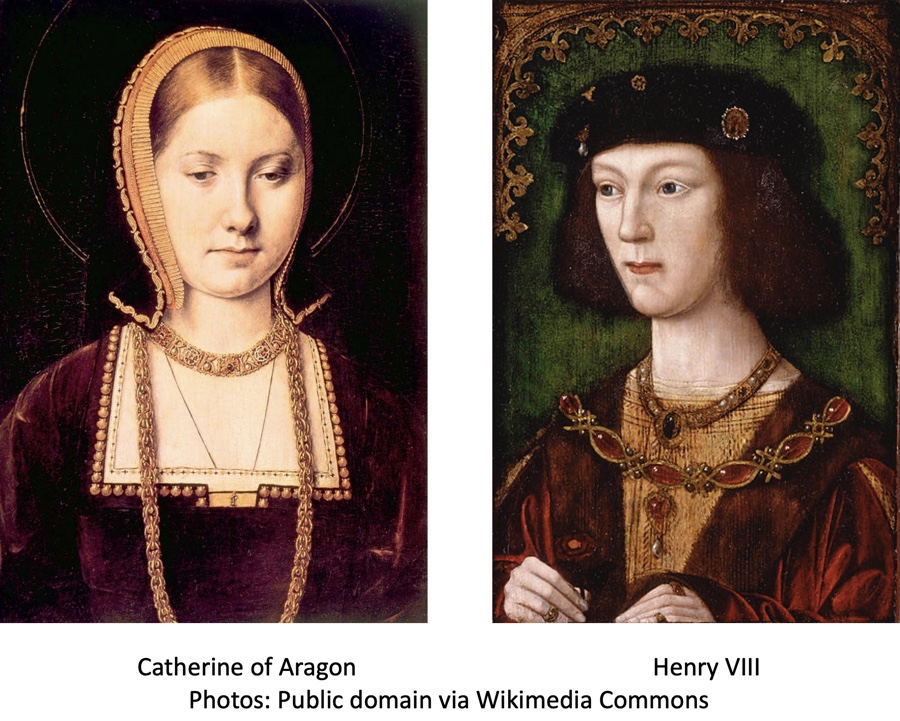
Somehow, this second draft, for all its starkness, becomes more poignant. In this short (unedited) extract following the miscarriage of Henry VIII and Catherine of Aragon’s first child, Henry is outwardly calm yet inwardly torn. The first draft was very different yet this is the one that will make it to the novel.
—–
We put away the royal crib, the swaddling bands so recently laid out in readiness for our firstborn. Wrapped in furs, Kate sits in a chair by the window and stares despondently across the frost rimed garden. I don’t know what to say to her so instead I call for my horse to be made ready. I escape the cloying air of the castle and ride like a demon across the frozen groun. Brandon follows unbidden at my heels, begging me to slow down, to take care, to give a thought to England.
England. As if I had forgotten her. I ease my horse to a canter, a trot and finally to a walk. My mount lowers his head, his sides heaving, as Brandon comes along side. We halt. I knot and unknot the reins. Never in all my life have I felt less than king, less than a man. Today, I am not simply a monarch without an heir. I am a bereaved father with a wife who cannot be comforted. I shouldn’t be here at all.
I try to say something but my throat closes. I cough to clear phlegm, look up at my friend and wince at the naked pity in his face.
“There will be other sons, Harry.”
I nod silently. Clear my throat again.
“It was a girl anyway. Not a boy at all, and we are young enough, Kate and I.”
But it isn’t just about an heir. Now the fury at the loss of a son is fading, I am left with an overpowering grief for a child I never met. Each time I close my eyes I see again the skinned rabbit that was my daughter’s corpse.
I cannot unsee it.
“I should be with Kate. We’ve hardly spoken since.”
“It isn’t her fault, you know.”
“I know that.” I nod fervently. “I know that but I can’t seem to … speak to her … about it. There is a wall between us. She blames me, I think … you know, all that trouble with Ann Stafford.”
Brandon emits a deep sigh.
“It won’t have been that. Men are unfaithful every day. The queen understands such things. It can only have been God’s will.”
“But why? Why would He not want my child to live? Nobody on this earth is more Godly than Kate.”
He shrugs. I look at him and although he meets my eye I can see it is uncomfortable for him to do so.
“What would you do, if you were me, Brandon?”
He smiles, pushes back his cap and nods toward the palace.
“I’d go home and give comfort to my wife. In turn it will comfort you too.”
“I don’t know what to say to her anymore.”
He puts a hand on my shoulder, something only he has the courage to do.
“You’ll think of something. Come, forget the past and look to the future. It can only get better. Do not waste your time in grief but go to work and beget another child on her!”
(Excerpt from A Matter of Conscience: the Aragon years, due for publication early in 2021.)
Which shows that across the centuries and the classes, grief is an emotion that slays us all. Thank you, Judith.
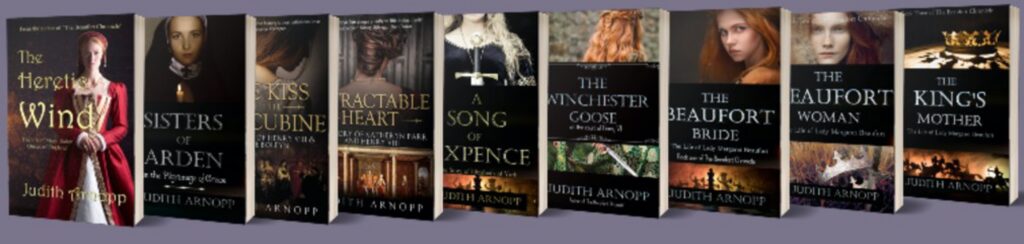
Connect with Judith
Webpage: http://www.judithmarnopp.com
Blog: http://juditharnoppnovelist.blogspot.co.uk
Twitter: @JudithArnopp
Facebook: https://www.facebook.com/thetudorworld
Instagram: @judith_arnopp
Judith’s latest book
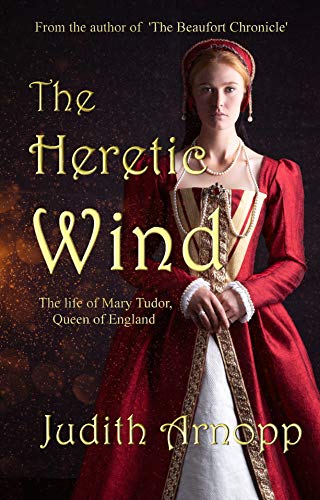 Adored by her parents and pampered by the court, the infant Princess Mary’s life changes suddenly and drastically when her father’s eye is taken by the enigmatic Anne Boleyn. Adored by her parents and pampered by the court, the infant Princess Mary’s life changes suddenly and drastically when her father’s eye is taken by the enigmatic Anne Boleyn.
Throughout her formative years, Mary stands firm against her father’s determination to destroy both her mother’s reputation, and the Catholic church. It is a battle that will last throughout both her father’s and her brother’s reign, until, almost broken by persecution, she learns of King Edward’s death.
She expects to be crowned queen but Mary has reckoned without John Dudley, the Duke of Northumberland, who before Mary can act, usurps her crown and places it on the head of her Protestant cousin, Lady Jane Grey.
Furious and determined not to be beaten, Mary musters a vast army at Framlingham Castle; a force so strong that Jane Grey’s supporters crumble in the face of it.
Mary is at last, Queen of England.
But her troubles are only just beginning. Rebellion, and heresy and the subsequent punishments take their toll both on Mary’s health, and on the English people. Suspecting she is fatally ill, Mary steps up her campaign to compel her subjects to turn back to the Catholic faith.
All who resist will face punishment for heresy in the flames of the Smithfield fires.
Amazon UK Amazon US
Alison Morton is the author of Roma Nova thrillers – INCEPTIO, PERFIDITAS, SUCCESSIO, AURELIA, INSURRECTIO and RETALIO. CARINA, a novella, and ROMA NOVA EXTRA, a collection of short stories, are now available. Audiobooks are available for four of the series. NEXUS, an Aurelia Mitela novella, is now out.
Find out more about Roma Nova, its origins, stories and heroines… Download ‘Welcome to Roma Nova’, a FREE eBook, as a thank you gift when you sign up to Alison’s monthly email newsletter. You’ll also be first to know about Roma Nova news and book progress before everybody else, and take part in giveaways.
If you enjoyed this post, do share it with your friends!Like this:Like Loading...
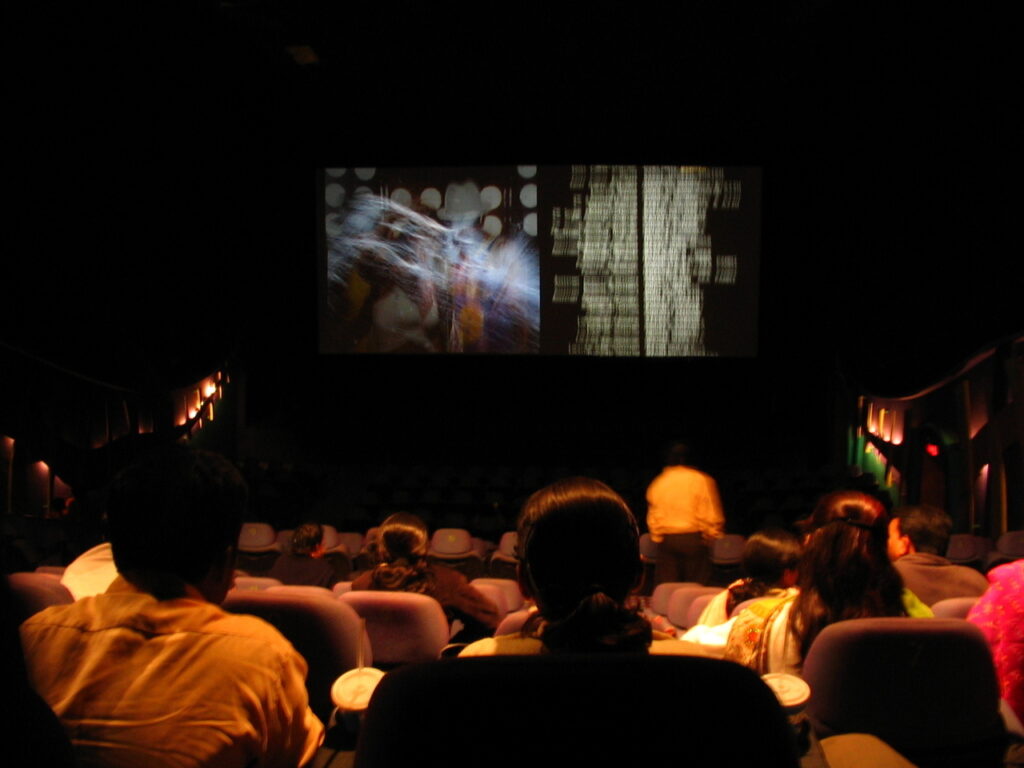
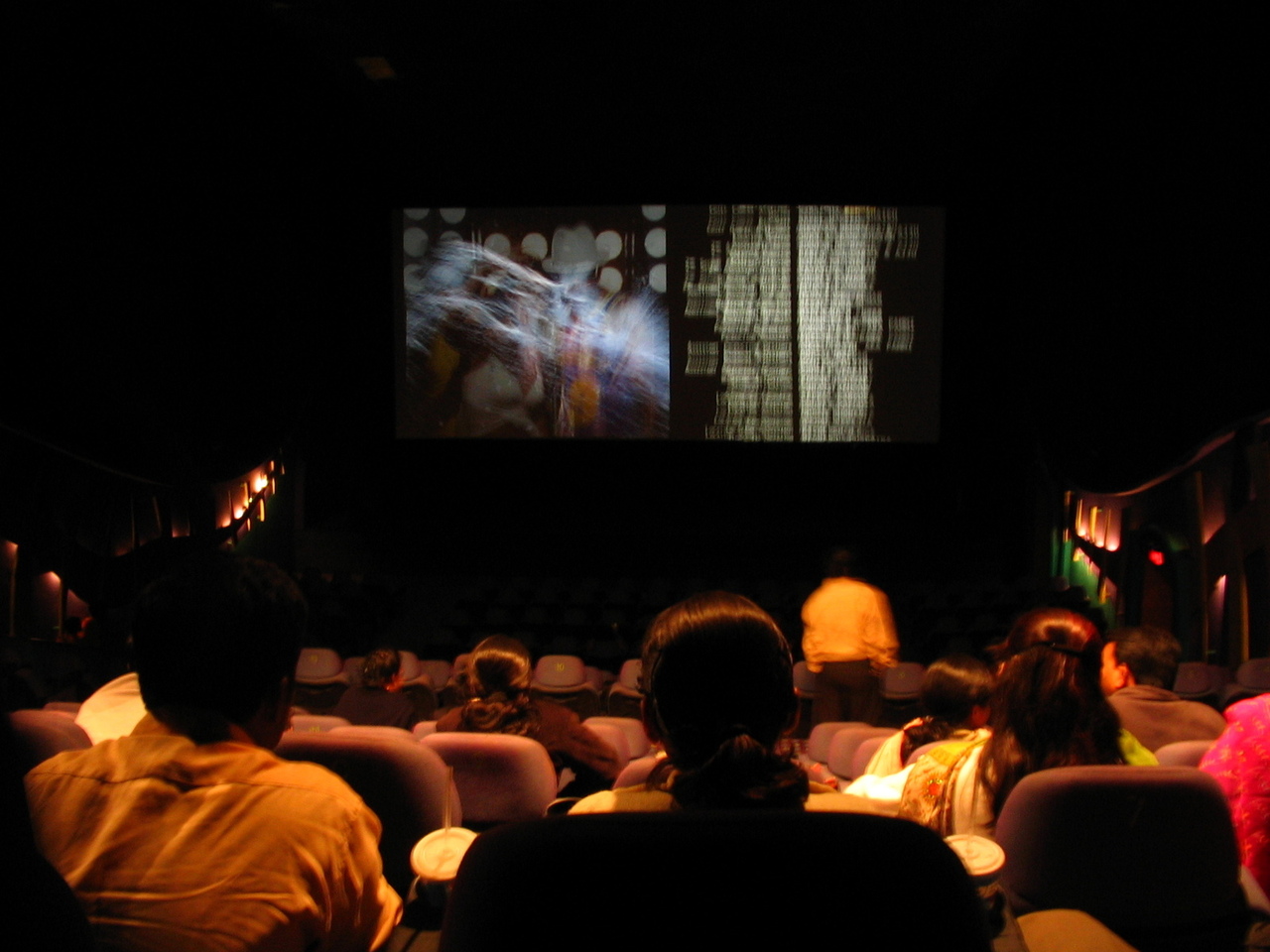
Pastimes? Hobbies? What are those? These don’t tend to feature in writers’ consciousness; either writing is done in any spare time left after work or at the weekend, or for full-time writers, spare time is when they go and research or grab a book for background reading. The result is that I had to scratch my head to think of the Roma Novans’ hobbies.
Carina, certainly when Karen in New York, enjoyed ‘the movies’ and often makes reference to films, such as when describing her boss:
His old-fashioned sports jacket and pants made him look like a crusty old guy from a black and white movie, but he gave me a human-enough smile. [INCEPTIO]
Or Conrad:
The hard-eyed observer at the client meeting had been replaced by a polite socialite out of a 1950s film. [INCEPTIO]
I was too surprised to say anything – it was such a foreign gesture, like in an old movie. [INCEPTIO]
When they are being followed:
In movies, the character who turned around when told not to instantly regretted it. But we weren’t in a movie. [INCEPTIO]
She even subscribed to a magazine:
Safely back behind the doors of my apartment building, I checked my mailbox and, along with my movie periodical, found an envelope with my name but no return address. [INCEPTIO]
The other character who has a definite hobby is Imperatrix Silvia:
I took the handkerchief she offered. It was exquisite – fine lawn edged with lace. The fragile curls and whorls hardly touched each other except by a single thread – a world away from the blood and brutality of the last few minutes. I couldn’t blow my nose on this piece of delicacy. I sniffed instead. [PERFIDITAS]
We know that Inspector Lurio enjoys hunting and not just the bad guys in his daytime job as a tough policeman:
‘He’s had his main vacation this year, three weeks’ walking and hunting in Italy.’ [INCEPTIO]
Now, I’m stymied about the other main characters. Conrad is very dedicated to his work and very driven by his duty. He enjoys keeping fit and being with his family.
Apollodorus in INCEPTIO and PERFIDITAS had collected beautiful Art Nouveau furniture and pictures, but that was perhaps more of an obsession.
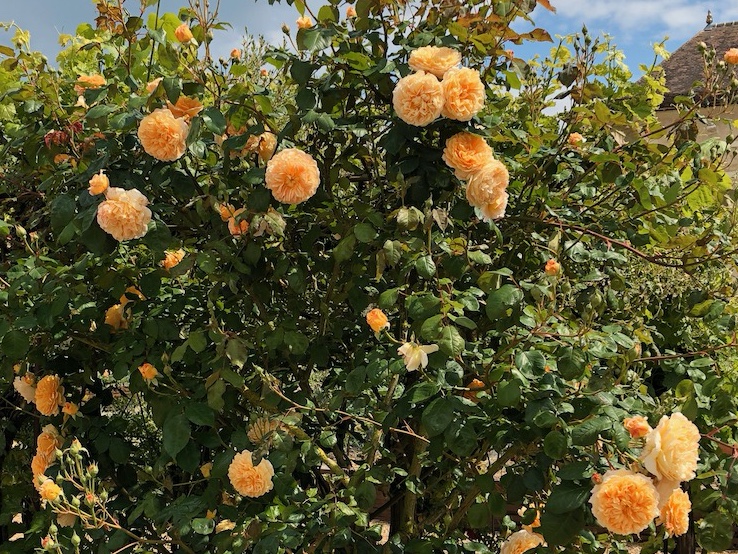 Author photo of roses at the Château du Rivau Aurelia remains a mystery in this area; she’s very like Conrad in her dedication to her duty. I reckon she has her hands full keeping her family and businesses in order as well as in her role of imperial councillor and minister. Ah, no, of course, she loves her roses apart from red ones which are forbidden in the garden at Domus Mitelorum…
Let me know if you’ve noticed any other Roma Novan characters’ hobbies…!
Writing challenges so far:
Day 18: Characters’ pet peeves (!)
Days 16 & 17: Favourite outfits (combined)
Day 15: The many-hatted author
Day 14: Show your workplace
Day 13: A funny family story. Or not
Day 12: Early bird or night owl?
Day 11: Favourite writing snacks/chocolate porn
Day 10: Post an old picture of yourself
Day 9: Post 5 random facts about you
Day 8: What’s your writing process?
Day 7: Introduce your ‘author friend’
Day 6: How the writing all began
Day 5: What inspired the book I’m working on
Day 4: The setting for the new Roma Nova book
Day 3: Introducing the main characters Julia and Apulius
Day 2: Introduce your work in progress
Day 1: Starting with revealing information
Alison Morton is the author of Roma Nova thrillers – INCEPTIO, PERFIDITAS, SUCCESSIO, AURELIA, INSURRECTIO and RETALIO. CARINA, a novella, and ROMA NOVA EXTRA, a collection of short stories, are now available. Audiobooks are available for four of the series. NEXUS, an Aurelia Mitela novella, is now out.
Find out more about Roma Nova, its origins, stories and heroines… Download ‘Welcome to Roma Nova’, a FREE eBook, as a thank you gift when you sign up to Alison’s monthly email newsletter. You’ll also be first to know about Roma Nova news and book progress before everybody else, and take part in giveaways.
If you enjoyed this post, do share it with your friends!Like this:Like Loading...
 I’m delighted to welcome back to the blog historical fiction writer Annie Whitehead. Annie studied history under the eminent Medievalist Ann Williams. She is a member of the Royal Historical Society and an editor for English Historical Fiction Authors. She has written three award-winning novels set in Anglo-Saxon England, one of which was long-listed for the Historical Novel Society Indie Book of the Year 2016, and her full-length nonfiction book, Mercia: The Rise and Fall of a Kingdom is published by Amberley Books. I’m delighted to welcome back to the blog historical fiction writer Annie Whitehead. Annie studied history under the eminent Medievalist Ann Williams. She is a member of the Royal Historical Society and an editor for English Historical Fiction Authors. She has written three award-winning novels set in Anglo-Saxon England, one of which was long-listed for the Historical Novel Society Indie Book of the Year 2016, and her full-length nonfiction book, Mercia: The Rise and Fall of a Kingdom is published by Amberley Books.
Annie has contributed to fiction and nonfiction anthologies and written for various magazines, including winning the New Writer Magazine Prose Competition. She was the winner of the inaugural Historical Writers’ Association/Dorothy Dunnett Prize 2017. Recently she has been a judge for that same competition, and for the HNS Short Story Competition. Women of Power in Anglo-Saxon England was published by Pen & Sword Books in June 2020.
Speaking of anthologies, we’ll both be contributing to a collection of historical stories about betrayal due out in November. Exciting stuff!
Over to Annie to tell us about putting together characters…
Lately I’ve been working on a piece of short fiction for an upcoming anthology. I decided that my piece would involve some characters from my second novel, Alvar the Kingmaker. Since my fiction up until now has centred around real historical figures, it was easy enough to look back at the years before the book begins to find out what those people were up to before they sashayed onto the pages of that novel.
And there was certainly a lot of recorded drama: people on the make, banishment, a couple of rather untimely, or perhaps we might say convenient, deaths. Factions, infighting, envy: it’s all there.
 Dunstan and King Edgar I began plotting my story. But then I found that certain figures, whilst they certainly existed and played a part in the history, were actually getting in the way of the story. I suppose that’s always the way with historical fiction. Just because stuff happened, we shouldn’t include it if it doesn’t suit our narrative or help the plot to progress. Likewise, just because people were at a particular place at a certain time, we shouldn’t include them if their presence adds nothing to the story.
The main problem, though, was that one of my characters, Dunstan, seemed to be a different man altogether from the one I’d portrayed in the novel. It was as if I’d looked at this different portion of history and written a separate story about it. What I needed to do was remember the character I’d portrayed in the novel, and work backwards. Because yes, it is possible to write about these earlier years, which involved the same people, and end up sketching a completely different man from the one presented in the novel.
Each author will have a different idea about a character. There are many different King Arthurs out there in fiction and yet each one is really a different man. And I, researching the same figure in a slightly different period, had very nearly written a completely separate character. Which just goes to prove how much the novelist moulds the people into their own distinctive shape.
There are different types of historical fiction, and many authors write more than one kind. Some put entirely fictional characters into historical settings, while others fictionalise the lives of real people. So you either have a Forest Gump situation, where a made-up character interacts with real figures, or a set of completely imaginary people playing out their drama against the backdrop of a real historical context, as they do in Les Misérables. Or you have an author’s take on the lives of people from history, such as Elizabeth Chadwick’s series about William Marshal. Thus far, my fiction has fallen into that latter category.
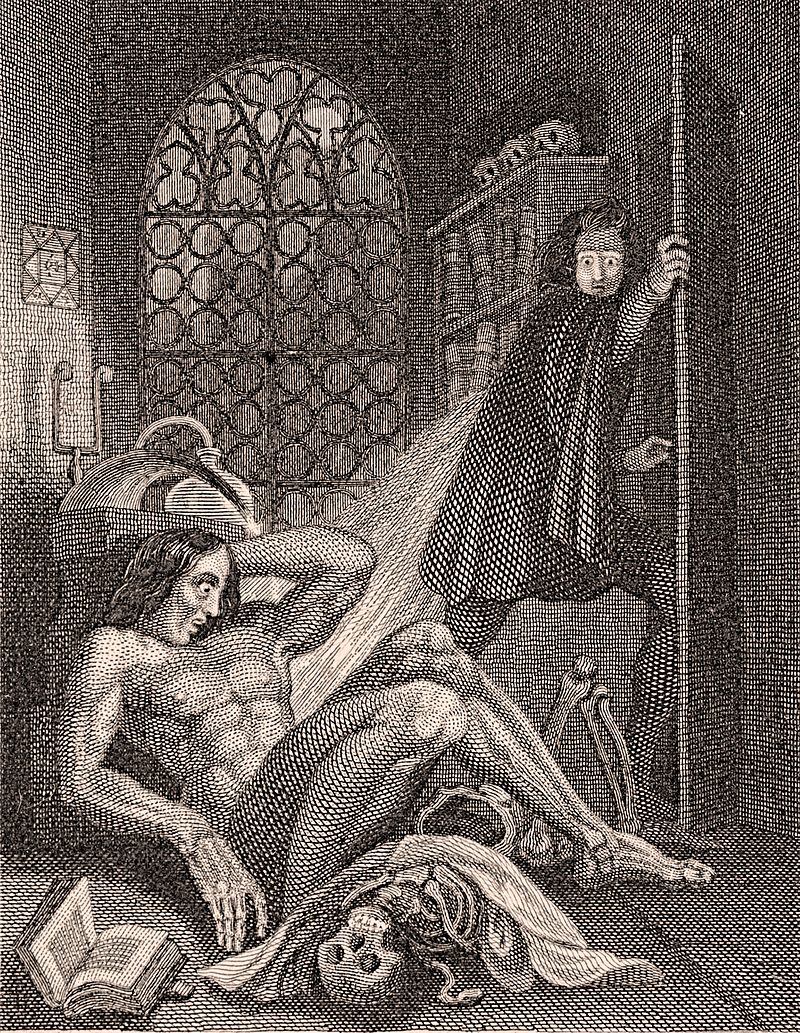
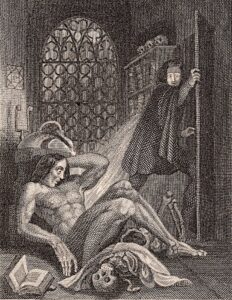 Frontispiece, 1831 edition of Mary Shelley’s novel Frankenstein In all of those examples, though, it is crucial to remember that those characters, real or otherwise, must be moulded into people. People who have distinct psychological characteristics, logical personalities, and a back story, even if the reader never sees it.
We know the facts, but we have to make them fit with the character we’ve designed. We have to play God, and make the character a real person, and give reasons for why they act like they do. We must take the time to get to know our character, not the historical figure, in order to make it plausible. When we write historical fiction we must ensure that we tell the human story and bring our characters alive.
We must do more than simply thinking, “Why did s/he do that? Or act in a particular way?” because that’s still an essay, rather than a story. We really have to dig deeper and ‘see’ the person with all their human attributes; their flaws, frailties, and strengths.
So, my task was to remind myself of the man I’d written about, and make him behave in his younger days in a way that would make sense for anyone who has read, or will read, the novel.
So that when people read both, which I hope they will, they will recognise him as a person, the historical figure being almost incidental.
As Dorothy Dunnett said, “History is all very well, but it’s just the showcase. It’s the arena in which your character will perform.”
Find out more about Annie and her books
Website: https://anniewhiteheadauthor.co.uk/
Blog: https://anniewhitehead2.blogspot.com/
Twitter: https://twitter.com/AnnieWHistory @AnnieWHistory
Facebook: https://www.facebook.com/anniewhiteheadauthor/
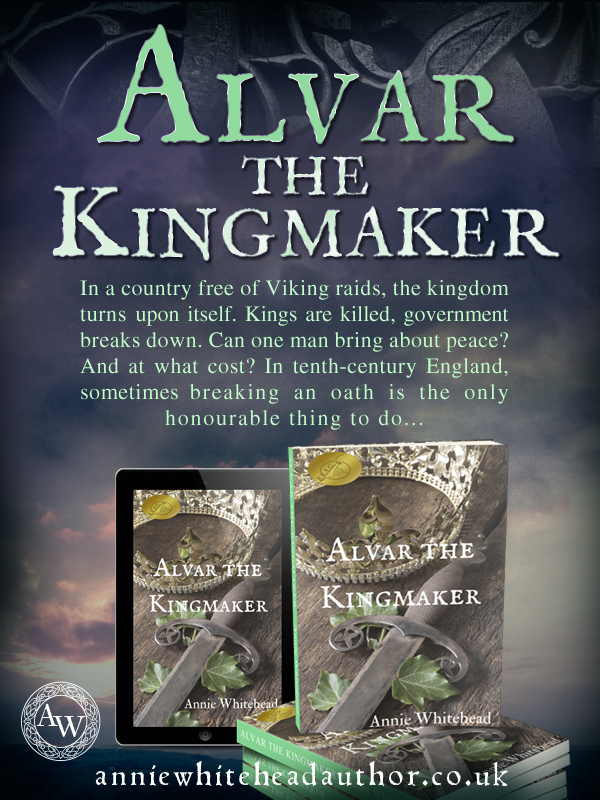
Read Annie’s story of power and change – Alvar the Kingmaker
 The king is caught in bed with his wife and her mother. The king is caught in bed with his wife and her mother.
Alvar, earl of Mercia, having helped King Edgar to secure the throne, must fight to clear the queen’s name, bring the country back from the brink of civil war, and stabilise the monarchy for Edgar’s son, Æthelred the Unready.
He does this at great personal cost, and his enemies will stop at little: Abbot Dunstan, banished, recalled, and in no mood to forgive; Bishop Oswald, the ambitious foreigner who will let nothing stand in his way.
They must not discover Alvar’s secret love for the wife of his deputy. Alvar must keep her safe, whilst serving and protecting the queen, who is in love with him, but who harbours a dark secret of her own…
Buy the ebook here: Amazon Kindle and the paperback here.
Alison Morton is the author of Roma Nova thrillers – INCEPTIO, PERFIDITAS, SUCCESSIO, AURELIA, INSURRECTIO and RETALIO. CARINA, a novella, and ROMA NOVA EXTRA, a collection of short stories, are now available. Audiobooks are available for four of the series. NEXUS, an Aurelia Mitela novella, is now out.
Find out more about Roma Nova, its origins, stories and heroines… Download ‘Welcome to Roma Nova’, a FREE eBook, as a thank you gift when you sign up to Alison’s monthly email newsletter. You’ll also be first to know about Roma Nova news and book progress before everybody else, and take part in giveaways.
If you enjoyed this post, do share it with your friends!Like this:Like Loading...
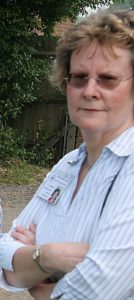 Alison, peeved Ha! We all have pet peeves and I’m pretty sure we pass these on in our writing however carefully we try to view the world from each individual character’s point of view. Our own values, thoughts and emotional responses will seep through, so I must admit that mine probably do, although the different characters will express this differently.
Here are a few excerpts from the Roma Nova novels to illustrate, in the first two, Carina’s ‘peeve’ and in the second two Aurelia’s. Each speaks in the first person.
Carina has an emotional sense of fair play even when it’s to her detriment to say so or when she can’t do anything about it. Although she considers she’s acting from the best motives, this can give her a slightly warped sense of what’s right and what’s wrong if she thinks ‘the rules’ and/or standard procedures are wrong.
Here, she’s disobeyed standing orders for a dare, one involving courage and determination, both qualities essential for a young Praetorian officer. But she got caught so she earned seven days in the cells as a punishment.
The very worst was the boredom. Then the lack of exercise. I stomped up and down my cell every day for an hour morning and evening, inventing new curses for Conrad. He was my commanding officer. I knew he was correct, but I still thought it was unfair. My fists balled during my pacing for the first two days. I merely strode the next two. By day six, I had relaxed my shoulders and when, thank Juno, the door opened on the morning of the eighth day, I had accepted it. I wasn’t happy, but I’d accepted it. (CARINA)
 Carina, peeved Several years later on, she’s much more responsible and senior, but still prone to react to her feelings. She and Conrad had an argument at home the evening before about a family matter, so she’s still a bit sensitive even in their work environment:
‘This brings me neatly to the second thing,’ Conrad said. ‘Effective tonight at 18.00 you’re relieved of your command of Operations.’
No!
I stared at him. I couldn’t move. I ran his words through my head again. Why? Gods, it was unfair. Just because I’d criticised a useless but well-connected old lush. Was Conrad getting personal here? Was he resentful of how I’d reacted to Nicola’s letter? No, that was so out of character for him. I had no option but to accept it, but throwing me out of the job he knew I loved was unbelievably severe.
Then I spotted tiny creases around the edge of his mouth that had nothing to do with his tiredness.
‘You’re taking over Training and Personnel on promotion, with the rank of Lieutenant Colonel. Congratulations.’
‘You—’
‘Yes?’
I swallowed. Hard.
‘You… you surprised me, that’s all.’
He burst out laughing. ‘You are such a liar.’
‘Yeah, well. That wasn’t nice.’
‘But fun.’ He smiled.
I didn’t think so, but he had a more robust sense of humour than I did; like most men. He went over to his coffee machine and brought me back a cupful to which he promptly added a slug of brandy.
‘For the shock, of course,’ he said and winked. (SUCCESSIO)
—–
Aurelia, however, is a blood-and-bone Roman and much more self-disciplined, but she still feels things keenly. She’s impatient when people won’t make an effort and won’t let go when she thinks somebody’s covering something up or deceiving her.
‘What?’ Grilling the household was basic procedure. I turned to the prefect [chief police officer]. ‘What are your people playing at? Can’t they conduct a straightforward investigation?’
‘My officers know their job. They might not be as glamorous as the Praetorians, but they carry out solid procedure methodically. If they didn’t ask, they didn’t think it necessary.’ His eyes tightened and his face took on a red flush. ‘I don’t think there’s any more to be said or done. We’ll be in touch if there are any developments. I bid you good day.’ He turned on his heel and strutted out. Anger and surprise robbed me of the ability to reply.
Frankly, I didn’t expect to hear anything further and I didn’t. The vigiles were more interested in tidying up paperwork and submitting high clear-up statistics than actually solving cases.
But the prefect’s strange attitude from the beginning worried me. I managed to speak to the justice minister for five minutes after the council meeting the following week. She frowned when I told her about the prefect’s manner, but said she was sure they had investigated thoroughly. I asked if she would let me see the file – I had the required security clearance – but she refused on confidentiality and personnel grounds. Faced with the steely, direct look, I had nothing else I could say, but as she strode off to her ministry car, I was left with the feeling something wasn’t as it should be. (AURELIA)
 Aurelia, unamused For Aurelia, her duty comes first, but she’s often conflicted. When the weak Imperatrix Severina sparks a constitutional crisis, Aurelia has had enough and will not compromise the safety of Roma Nova.
‘If we are citing legalities,’ I said, ‘then you may well remember that as head of the Twelve Families, not only am I perfectly entitled to intervene where there is a conflict, it is my duty.’ I tried, I sincerely tried, to keep the sarcasm out of my voice. ‘Or perhaps you are not familiar with one of the most basic of our founding laws?’
I kept my eyes on Severina’s face. She flinched, strode towards me and raised her hand.
‘I wouldn’t, Severina,’ I said. ‘Really, I wouldn’t.’ I stood my ground, unmoving, and stared at her. My heart beat faster. She was so unpredictable, she might do it. I braced myself for the blow.
Her skin reddened. The next instant, her lower lip trembled. She dropped her hand. Fabianus moved to her side, darted an angry glance at me. Severina’s face crumpled. She burst into tears and allowed Fabianus to draw her down onto the sofa. He put his arm round her and hugged her to him.
I stayed where I was. For once, I wasn’t going to give in to her emotional blackmail. She used this learned helplessness to muddle through awkward situations, getting others to solve problems and sort out messes for her. If only she’d been more diligent, learned at least the rudiments of governing from shadowing her mother. If only she could see beyond the surface of things. If only she had a gram of political common sense. Normally, I’d go to her, comfort her, apologise and say I’d take care of everything. Well, she’d crossed the line in the sand. No more. (INSURRECTIO)
—–
Impatience, strong emotion reaction and frustration are part of what makes us human; giving characters pet peeves makes them vibrant and relatable. And it’s fun to write them when they are less than wonderfully behaved!
Writing challenges so far:
Days 16 & 17: Favourite outfits (combined)
Day 15: The many-hatted author
Day 14: Show your workplace
Day 13: A funny family story. Or not
Day 12: Early bird or night owl?
Day 11: Favourite writing snacks/chocolate porn
Day 10: Post an old picture of yourself
Day 9: Post 5 random facts about you
Day 8: What’s your writing process?
Day 7: Introduce your ‘author friend’
Day 6: How the writing all began
Day 5: What inspired the book I’m working on
Day 4: The setting for the new Roma Nova book
Day 3: Introducing the main characters Julia and Apulius
Day 2: Introduce your work in progress
Day 1: Starting with revealing information
Alison Morton is the author of Roma Nova thrillers – INCEPTIO, PERFIDITAS, SUCCESSIO, AURELIA, INSURRECTIO and RETALIO. CARINA, a novella, and ROMA NOVA EXTRA, a collection of short stories, are now available. Audiobooks are available for four of the series. NEXUS, an Aurelia Mitela novella, is now out.
Find out more about Roma Nova, its origins, stories and heroines… Download ‘Welcome to Roma Nova’, a FREE eBook, as a thank you gift when you sign up to Alison’s monthly email newsletter. You’ll also be first to know about Roma Nova news and book progress before everybody else, and take part in giveaways.
If you enjoyed this post, do share it with your friends!Like this:Like Loading...
|
Subscribe to Blog via Email
Join 368 other subscribers.
Categories
Archive
|
 Hm, an interesting one…
 Six years on at the end of a Family Day (all day party), Carina and her grandmother Aurelia share a glass of Brancadorum champagne:
 Even amongst her colleagues, Aurelia is known to have a fondness for her brandy as a fortifier, but some things are more important
 Carina tends to stick to salad, pasta or a sandwich at her desk, but loves going out to the Onyx, her favourite restaurant in the city, especially with her husband, Conrad. There they eat Greek-style food. Roma Nova city offers a great variety of food types.
 Beginning the day with a fresh egg and bacon roll – hot, salty bacon coupled with the firm liquid of a fried egg bursting in your mouth – in the quiet of a pine forest with the sun starting to shed its early light on you took some beating. The cook grinned at me, sensing an appreciative customer.