Having slogged away for months and months researching and sweating creatively over my keyboard, I have finished a first draft of 107,000 words of a new novel and it’s gone for its first editorial pass. Hooray! But imagine the horror of losing all that work due to a digital disaster!
To prevent this, I have belt, braces and a parachute, metaphorically speaking. In the old days, I used to send part and completed drafts from one of my domain based email addresses to a Gmail one so that if the worst happened, a version would exist in Google cloud storage. (I still do this, actually!)
But in the writing community, I hear far too often about people who have ‘lost’ their computer files. Happily, there are many ways to avoid such a disaster these days.
The first step is to ask yourself how you organise your files
Having tens or even hundreds of them spattered all over your desktop is not best practice. Try to follow a ‘clear desk policy’, only keeping files on the desktop that you are currently working on or frequently (i.e. daily) need to access. All other files should be saved and stored in appropriately named folders on your computer hard drive. I have one main folder for each of my books, then sub folders for the cover, manuscript, marketing, research, photos, maps, etc.
This is not boring or techie – Backing up your computer is essential!
Do not rely on storing your precious prose only on your computer, i.e. on the internal drive. If it goes phut and the expert says, “Sorry, but it’s a total failure and all your data is lost,” you’ve had it. Royally. Disaster.
Many people use a hard drive for storing their files – a good first step if used as part of a strategy.
A word to the wise – really, really do use them for storing your original files and photographs on them as external drives tend to fail more frequently than the internal drive on your computer. You should external drives only for backing up. The place to store your original files, including your precious work, is your computer! The external drives are your fail-safe/security net.
But – it’s a big ‘but’– they do fail after a finite time. However, you shouldn’t need to worry about that horror if you have a proper back up strategy in place.
My backup strategy
A sound solution is to use two external drives to back up, with the system alternating between the two drives automatically. The likelihood of both failing at the same time is remote. (Cue belt, braces and that parachute.)
I’ve always followed the ‘3-2-1’ back up rule. This means I have:
- Three copies of each file, including the original,
- On at least Two different drives,
- And One copy stored ‘off-site’.
For example, I might have my original document stored on my internal computer hard drive, a copy stored on a separate external hard drive, and the third copy synced to Dropbox.
Whenever I change the document on my internal hard drive, e.g. when I’m editing a first draft, the copy in Dropbox (cloud storage) will be updated and the second copy on an external hard drive will also be updated within an hour automatically via Apple Time Machine (as I use a Mac) or, if you are a Windows user, there is a similar application such as Backup and Restore.
So, at worst case I will have potentially only lost a few minutes’ writing on a document if one of the drives fails or even if the computer itself fails.
 A gory story A gory story
It also works for websites. We had an enormous failure here a few years ago and both this writing site and my Roma Nova site vanished into the ether. I was stunned by the news, went cold, then scurried to cry in a corner.
However, everything had been backed up. I lost likes, and some, but not all, comments. My other half, Who Knows Things About IT, recovered both my sites and also all the others he managed within a few days.
Last word about backups (I promise!)
Do check your back-ups are working from time to time and that the back-up drive is fully up to date in the same way you make sure your applications and operating system are up to date.
Phew! Now back to writing in full confidence my winsome words won’t disappear down the digital plughole.
Alison Morton is the author of Roma Nova thrillers – INCEPTIO, CARINA (novella), PERFIDITAS, SUCCESSIO, AURELIA, NEXUS (novella), INSURRECTIO and RETALIO, and ROMA NOVA EXTRA, a collection of short stories. Audiobooks are available for four of the series. Double Identity, a contemporary conspiracy, starts a new series of thrillers. JULIA PRIMA, Roma Nova story set in the late 4th century, starts the Foundation stories. The sequel, EXSILIUM, is now out.
Find out more about Roma Nova, its origins, stories and heroines and taste world the latest contemporary thriller Double Identity… Download ‘Welcome to Alison Morton’s Thriller Worlds’, a FREE eBook, as a thank you gift when you sign up to Alison’s monthly email update. You’ll also be among the first to know about news and book progress before everybody else, and take part in giveaways.
If you enjoyed this post, do share it with your friends!Like this:Like Loading...
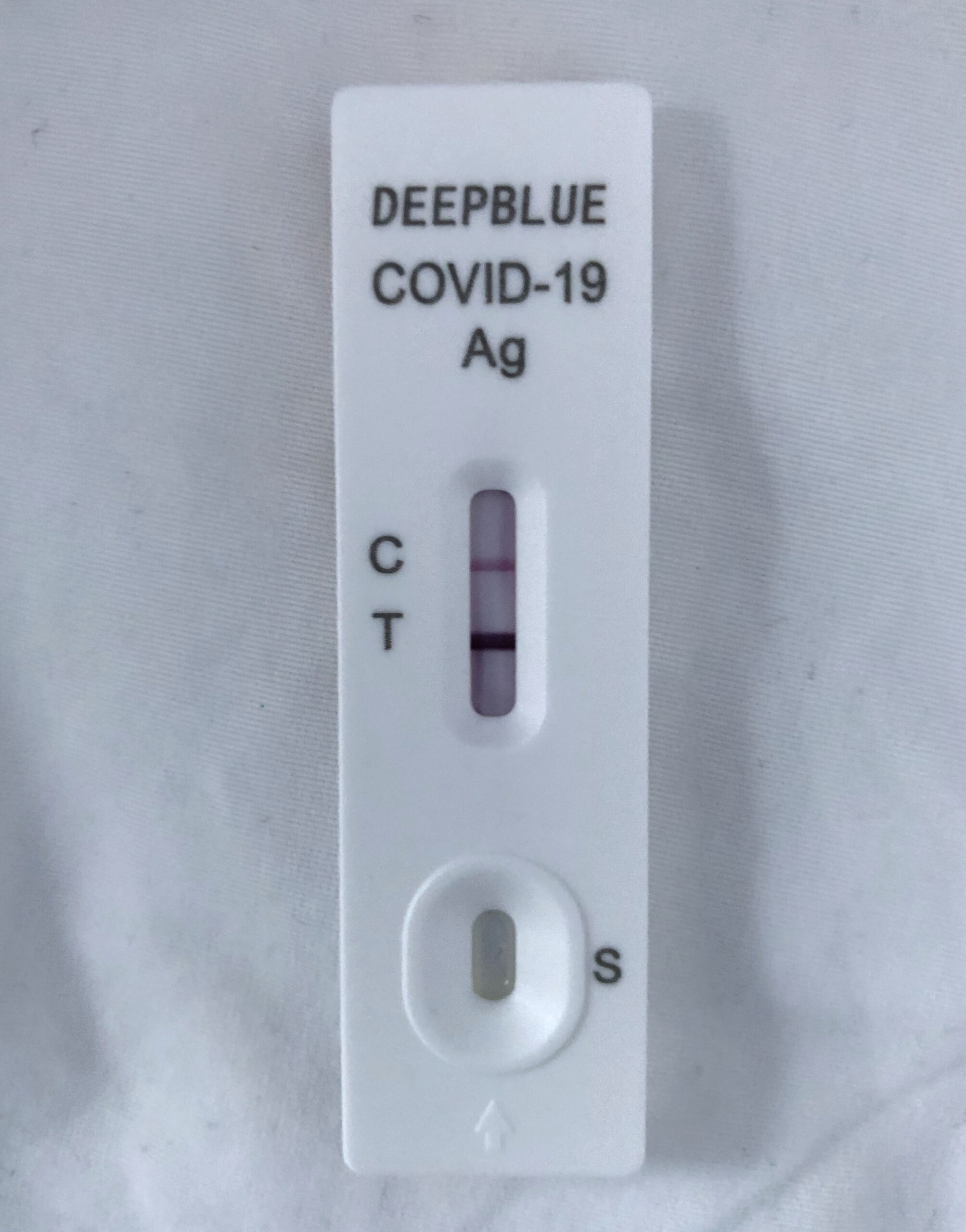
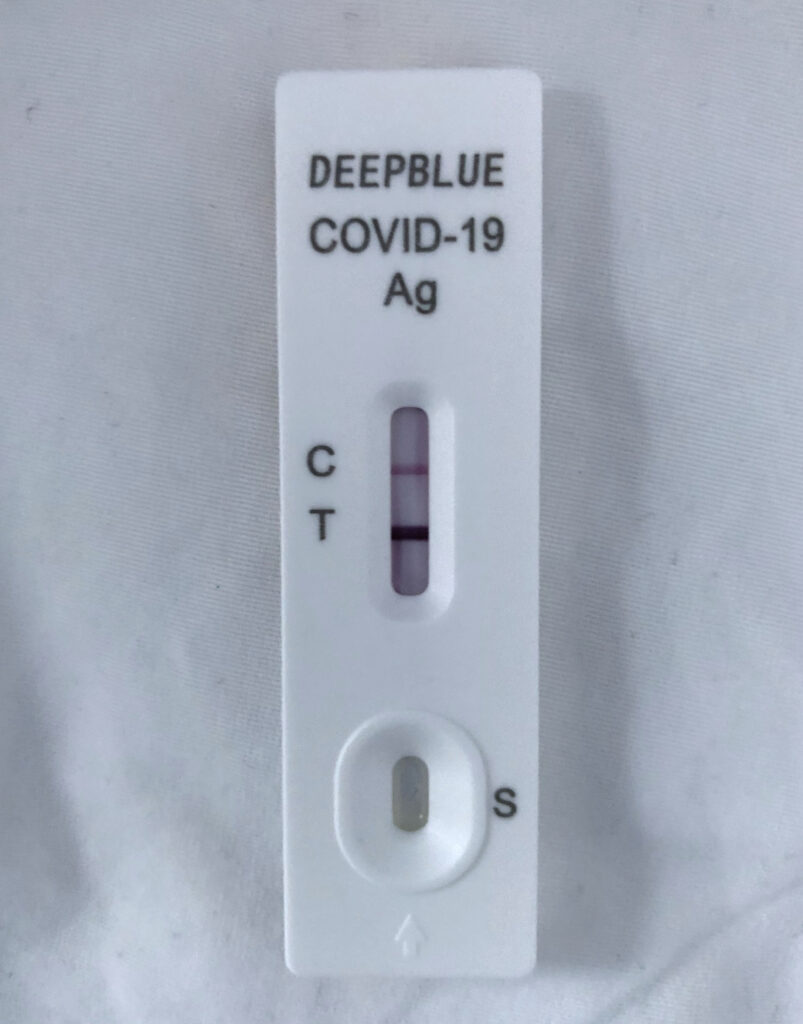 Recently, I caught Covid-19. Not a unique story these days, but I’d dodged it until last month. Vaccinated five times and an avid mask wearer, I’d been hyper-careful. I was nervous last year when I started to go to author events, either to speak or take part. I was a rare person at the London Book Fair who actually wore a mask all day, every day. I reckoned that thousands of people from every corner of the world were a hazard. Sadly, several colleagues reported later they had contracted Covid there. Recently, I caught Covid-19. Not a unique story these days, but I’d dodged it until last month. Vaccinated five times and an avid mask wearer, I’d been hyper-careful. I was nervous last year when I started to go to author events, either to speak or take part. I was a rare person at the London Book Fair who actually wore a mask all day, every day. I reckoned that thousands of people from every corner of the world were a hazard. Sadly, several colleagues reported later they had contracted Covid there.
Colour me Mrs Smug.
I wore the mask on planes, trains and buses. If there was a crowd, I whipped out a faithful FFP2. I habitually boarded as near to last as possible on planes and still tended to keep distance from others even this year.
I don’t do well with respiratory illnesses and I REALLY did not want this virus.
But, vaccinated and accepting that infections were at now at rock bottom, I’ve been travelling all over the place this year – UK, Ireland, Slovenia, Austria – through many different airports, including Paris CDG and the ever delightful Stansted, and on many trains. I’ve spent time at events, talking to hundreds of people, eating in pubs and restaurants with colleagues and friends, all bare-faced. Not a sniffle.
Airlines are good at ventilation and I always felt safe travelling maskless this year. I’ve traced last month’s disaster to the airline coach. Fabulous. The ‘bad cold’ became truly vile. I couldn’t remember feeling so ill. I took a test. Yep. Two lines.
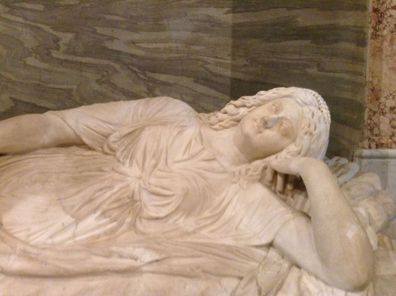
I was positive for 12 days. I had to mask up in my own house but by Day 7, I was ‘walking wounded’ and could get about. Luckily, my husband went away on a pre-arranged trip one day later. I can’t imagine how people coped when infected and non-infected people had to lived in the same place for days, even weeks on end.
If I hadn’t been well-vaccinated, I would have been seriously ill. I swallowed pills, drank a lot of honey water and tea, and rested. We know how bugs transmit, we have showers, washing machines, sterilising gels and medical services for extreme illness.
Consider the plagues of history
The Black Death 1347-53 killed between 75–200 million people. Nobody was counting at the time, but Lawton and Wilson (ed.) outlined this estimate in the New Scientist in May 2022.
The Spanish flu 1918-20, when nearly a third of the global population, or an estimated 500 million people were infected in four successive waves. Estimates of deaths range from 17 million to 50 million (Centers for Disease Control and Prevention, December 2019).
The Antonine Plague, which hit the Roman Empire in AD 165 and had by AD 180 killed thirty percent of the population. The results were catastrophic:
- it decimated (reduced by 1 in 10) the Roman Army, by now heavily consisting of non-Italians and struggling against barbarians in the north and Persians in the east
- it cut a naturally dwindling population by a third, wiping out whole villages, even towns
- it shrank the labour force
- it diminished the reliability of transport links
- it weakened trade, so wrecking the whole economy
- it promoted increasing religious fervour which split Romans from their traditional martial and pragmatic values
- and all these combined to reinforce social disintegration.
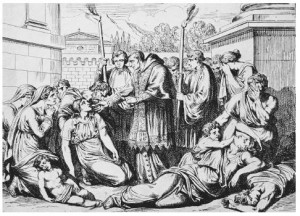
Luckily, in the 21st century, we had cushions in the form of employment furlough, a ground-breaking scientific research community, dedicated hospital and medical services with emergency plans, a world health organisation coordinating the fight and relentless determination to research, adapt and find ways to bring people through. After the initial panic and selfish behaviour by some political actors, capitalism was harnessed to produce protective equipment and vaccines on a worldwide scale,
There were heartbreaking stories – separation, dying isolated, mothers giving birth in masks, domestic violence increases through enforced confinement of lockdown, bad tempers, fake news and fear. But the vast majority of ordinary people behaved extremely well, taking the recommended precautions and supporting the less able members of their communities.
I’m not entirely sure we’ve recovered our habits of social interaction yet. Here in France, many people no longer double kiss each other; sometimes, they don’t even shake hands. This is very strange for a usually very social people. The next vaccination campaign has started and if I hadn’t had the virus, I would have been first in the queue. Apparently, I have gained several months of good natural immunity. Personally, I would have preferred a jab. Now I’m counting off the months when I will be able to have my booster.
But how many people have died worldwide from Covid-19 in comparison with historical plagues?
Tricky question. The World Health Organisation reports figures of in excess of 3.3 million, but with some significant provisos, the most important of which is their certainty of under-reporting. The capacity of health information systems varies widely; the percentage of registered deaths ranged from 98% in the European region to only 10% in the African region. Countries also use different processes to test and report, but most use excess deaths over normal expected deaths in non-pandemic years.
We should also consider that in the past figures are not solid. For instance, we only know about some parts of the world. Cassius Dio only considered the Antonine Plague as it affected the Roman Empire and areas immediately bordering it. Communication even by the fastest courier was slow across such a vast area, even if such a courier survived the journey.
Vile as the experience was, I am so pleased to have been living in 2023 when I was infected by my generation’s plague, and not in 180 AD.
Alison Morton is the author of Roma Nova thrillers – INCEPTIO, CARINA (novella), PERFIDITAS, SUCCESSIO, AURELIA, NEXUS (novella), INSURRECTIO and RETALIO, and ROMA NOVA EXTRA, a collection of short stories. Audiobooks are available for four of the series.Double Identity, a contemporary conspiracy, starts a new series of thrillers. JULIA PRIMA, a new Roma Nova story set in the late 4th century, is now out.
Find out more about Roma Nova, its origins, stories and heroines and taste world the latest contemporary thriller Double Identity… Download ‘Welcome to Alison Morton’s Thriller Worlds’, a FREE eBook, as a thank you gift when you sign up to Alison’s monthly email update. You’ll also be among the first to know about news and book progress before everybody else, and take part in giveaways.
If you enjoyed this post, do share it with your friends!Like this:Like Loading...
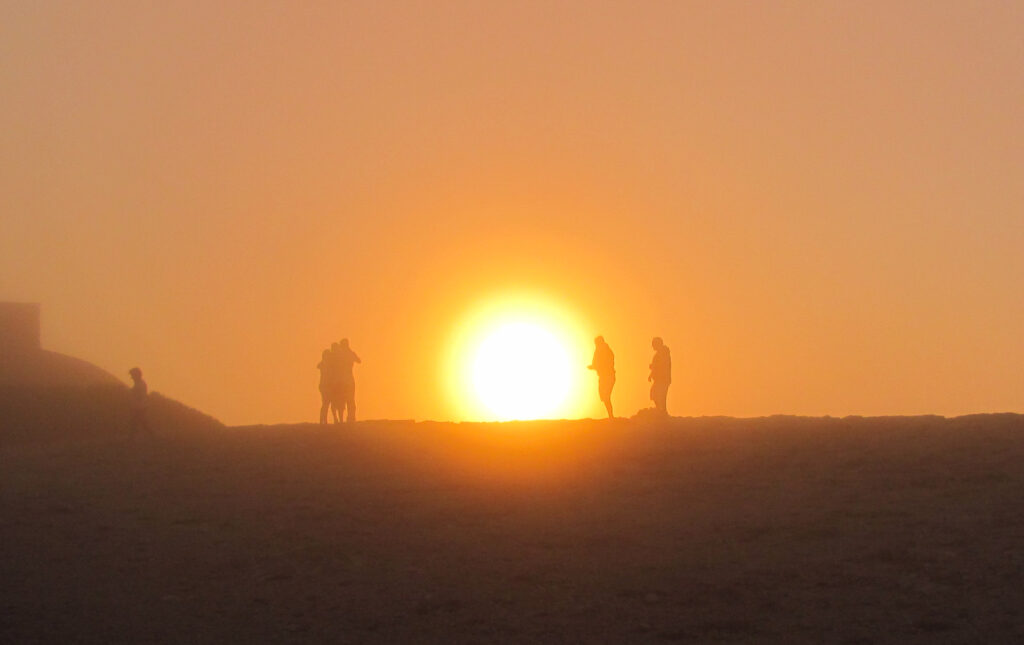
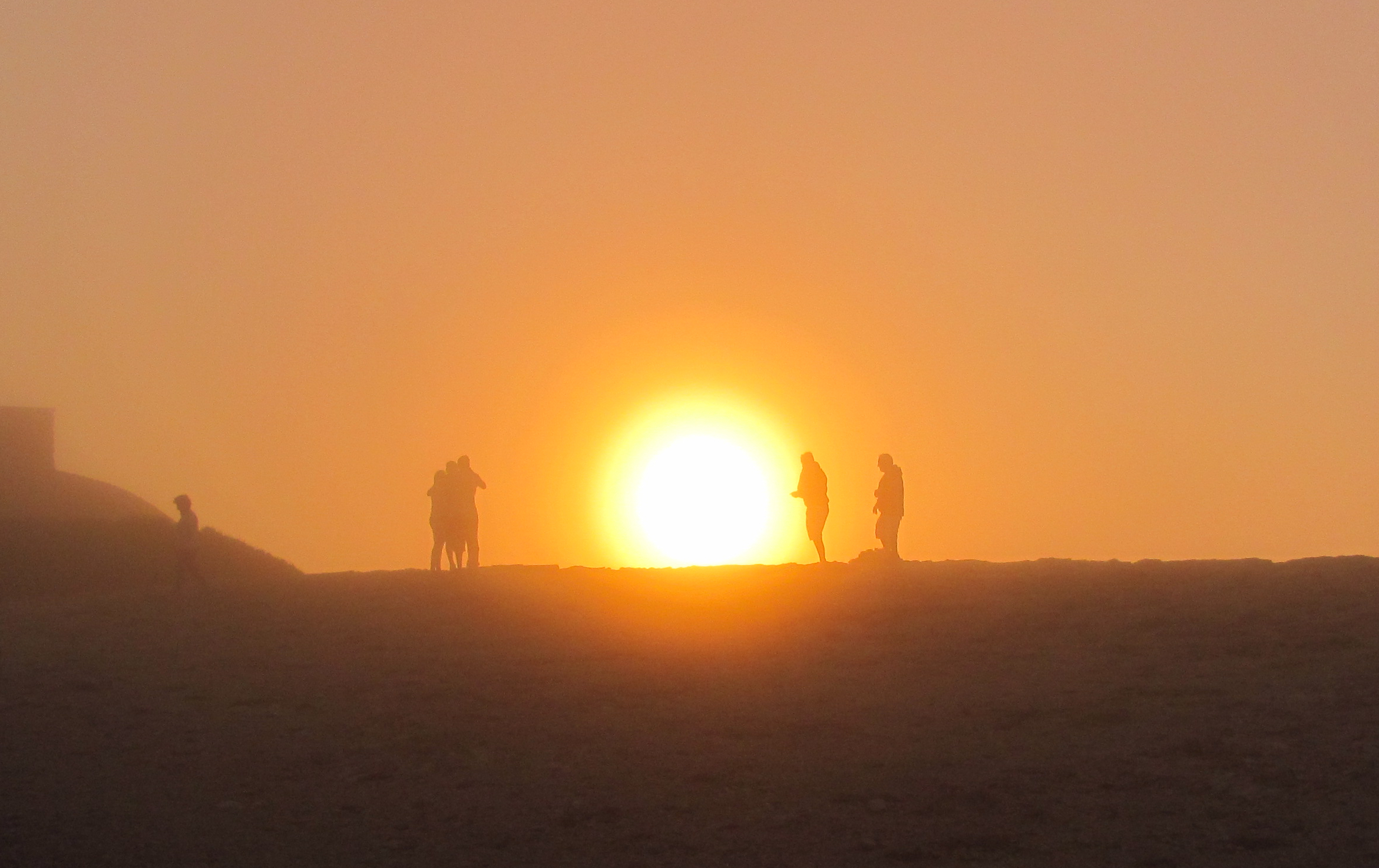
We’re biological animals. Light is daytime and activity; dark is night-time and rest. However, since the age of artificial light, be it from an open fire in a cave, a candle through the ages or electrical light, we’ve attempted to counter that. Then there are the grey areas. Lightning blasts light through the darkest night. Moonlight and starlight soften the depth of darkness. Eclipses, thick fog and storms obscure daylight.
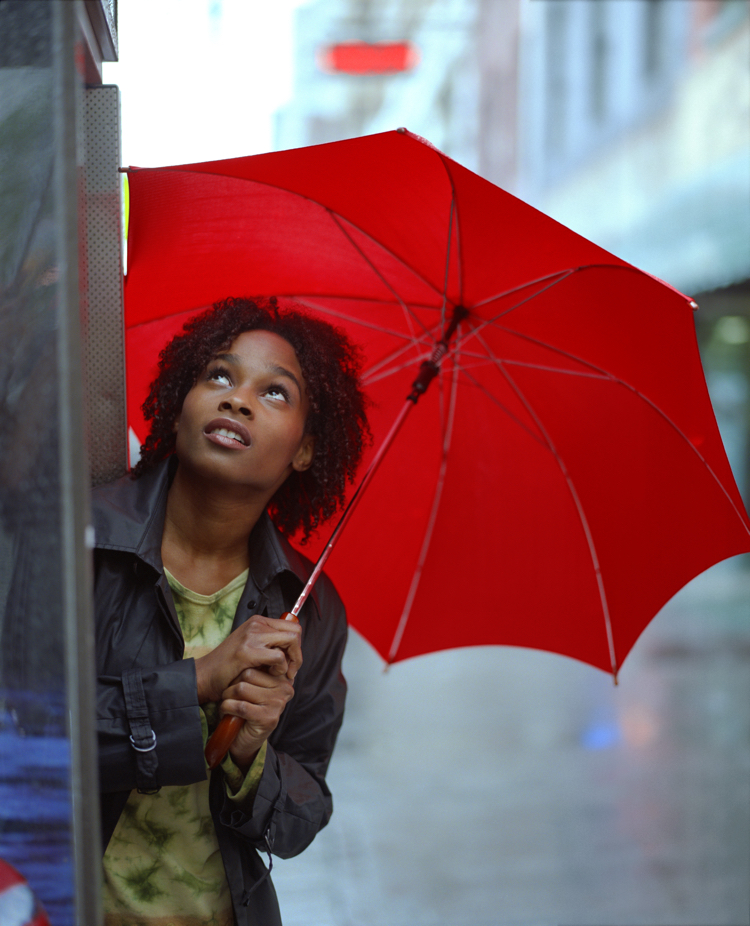 Raining… For writers, light, its moods and its changes are gifts without end. Like weather, light can reflect a character’s mood and sometimes their actions and reactions. Nothing like a set-in rainstorm to depress even the most optimistic heroine. Rain dripping off her hair and down inside her collar, she might just pull her raincoat tighter and think to herself: “You know what? I’ll just leave it and go home for a nice hot cup of tea.“
If it was a sunny day with a light breeze brushing her skin, she’d feel so much more enthusiastic about sorting out the world. Conversely, if your heroine is unhappy and the sun in beaming down, it can sometimes have even greater effect because of the contrast.
But light and dark aren’t only about the weather. In the Stone Age, dark meant danger. Wolves, big cats with even bigger teeth, bears, other humans, all stalked even the nicest cave people and in the dark they couldn’t be seen until they attacked you. And the consequences were often terminal.
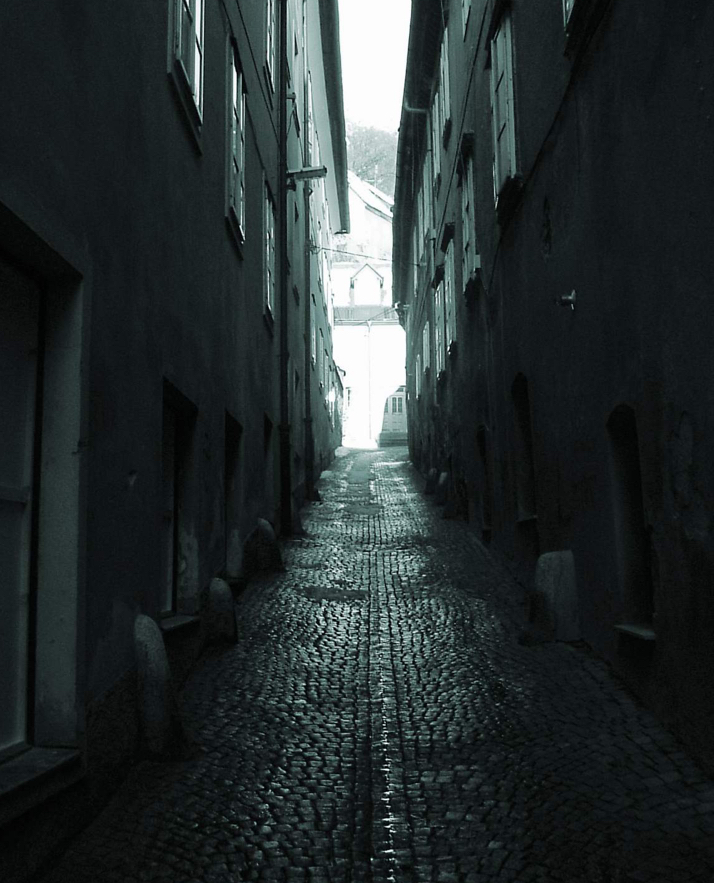 We still have that memory in our genes and instinctively feel uncomfortable in the dark. Being shut in a dark cellar, trapped in a lightless tunnel, walking through an unknown area with no streetlights can be stuff of nightmares. We still have that memory in our genes and instinctively feel uncomfortable in the dark. Being shut in a dark cellar, trapped in a lightless tunnel, walking through an unknown area with no streetlights can be stuff of nightmares.
But a gift for a writer.
We can subject our hero or heroine to all kinds of unpleasant incidents this way and express his/her fears and anticipations. A dark corner or unlit cul-de-sac is perfect. Even worse are the dark corners of the mind – the area we fear most, apart from final oblivion.
But the dark can help our characters hide or conceal things or even people. Shadows are extremely useful. What wartime story would be authentic without covert action in the dark after curfew?
In a lighter-hearted vein, blue sky, a brightly-lit room or the sun rising again at dawn are reassuring and life-affirming. Light shows up hidden corners and a torch can illuminate clues or a path to a solution. Another aspect is when light can create patterns that intrigue, even enchant especially when reflected. Of course, it also shows up smears on windows and dust on surfaces.
But like darkness, light can have its (excuse the pun) darker side. Remember the film ‘Ice Cold in Alex’ where the struggle was, amongst other things, the intense light of the desert?

The same can be true for snow and ice wildernesses where snow blindness can incapacitate the characters. Often, ‘bad guys’ use a light in the face of their captive to intimidate them.
The sudden switch from light to dark or vice-versa can cause a visceral emotional reaction – fear, relief, disorientation – as a character is released from a dark cellar into blazing sunlight or is plunged into Stygian blackness by accident or design. How often have we seen in a film or read about the scene where the characters are plunged into darkness in a railway tunnel? The Lady Vanishes is a perfect example.
In ancient times during a total eclipse in the daytime, many people thought the darkness signified the end of the world. I’ve just written a scene like that in AD 393. Educated Romans knew about eclipses, but even so, they still shivered like everybody else when the sun was blotted out at noon.
When you have a scene where you need to express joy, bring relief to intensity, or need to bring in fear and menace, light and dark can considerably enhance the atmosphere as well as play a crucial part to the story itself.
Alison Morton is the author of Roma Nova thrillers – INCEPTIO, CARINA (novella), PERFIDITAS, SUCCESSIO, AURELIA, NEXUS (novella), INSURRECTIO and RETALIO, and ROMA NOVA EXTRA, a collection of short stories. Audiobooks are available for four of the series.Double Identity, a contemporary conspiracy, starts a new series of thrillers. JULIA PRIMA, a new Roma Nova story set in the late 4th century, is now out.
Find out more about Roma Nova, its origins, stories and heroines and taste world the latest contemporary thriller Double Identity… Download ‘Welcome to Alison Morton’s Thriller Worlds’, a FREE eBook, as a thank you gift when you sign up to Alison’s monthly email update. You’ll also be among the first to know about news and book progress before everybody else, and take part in giveaways.
If you enjoyed this post, do share it with your friends!Like this:Like Loading...
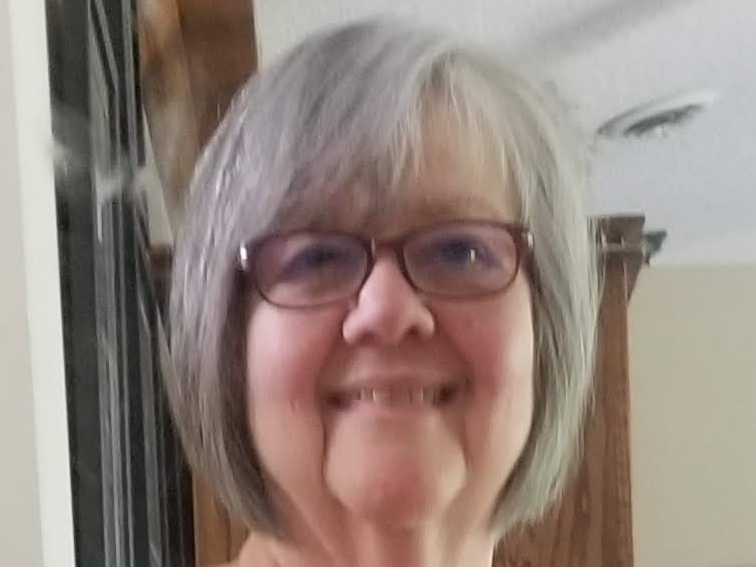 I’m delighted to welcome to the blog Charlene Newcomb, aka Char who writes historical fiction and science fiction. Her Battle Scars trilogy is set in the 12th century during the reign of Richard the Lionheart. It’s filled with war, political intrigue, and a knightly romance of forbidden love. All three books are indieBRAG Medallion honorees; Book II is a Historical Novel Society Editors’ Choice, a finalist in the Chaucer Awards for pre-1750 Historical Fiction, and received an Honorable Mention from Writer’s Digest. I’m delighted to welcome to the blog Charlene Newcomb, aka Char who writes historical fiction and science fiction. Her Battle Scars trilogy is set in the 12th century during the reign of Richard the Lionheart. It’s filled with war, political intrigue, and a knightly romance of forbidden love. All three books are indieBRAG Medallion honorees; Book II is a Historical Novel Society Editors’ Choice, a finalist in the Chaucer Awards for pre-1750 Historical Fiction, and received an Honorable Mention from Writer’s Digest.
While medieval historical fiction has her under its spell at the moment, her writing roots are in the Star Wars Expanded Universe (now known as Legends) where she published her first short story in 1994 in the Star Wars Adventure Journal. She published a scifi/space opera, Echoes of the Storm, which was awarded 1st in category in the Chanticleer International Book Awards in 2021.
A retired librarian and US Navy veteran, Char spends most of the year in Louisiana, but escapes summer heat and humidity visiting family in Washington and Colorado.
Over to Char to tell us about the perils and pleasures of writing spinoffs!
What possessed me to write a spin-off of my Battle Scars series? I can’t name a single writer who hasn’t fallen in love with the main characters of their novels. And I’m guessing that, like me, a secondary character captured their attention as bits of their backgrounds were doled out. Was there more to their stories? (Ha! Let’s not mention Aurelia…)
Spin-offs don’t have to unfold at the same place or time as an original novel, but a real plus for me were the settings—mainly Nottingham and Sherwood, York and Lincoln. These places were like home. I knew them, had ‘lived’ them through two of my three Battle Scars books. My research had included books, articles and digital resources about medieval culture, society, food, knights, warfare, the famous and the infamous and more. I had notes and links galore if I needed to revisit any topics.
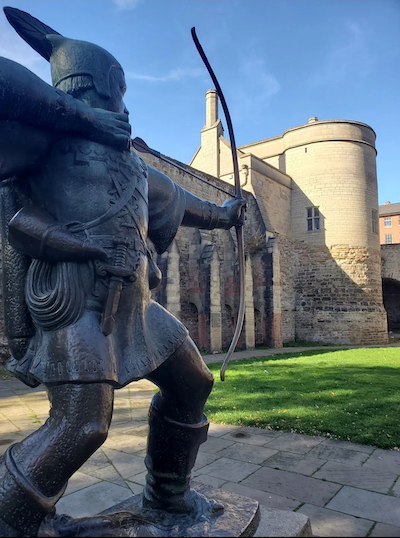
Rogue is my first full length novel that ‘stars’ characters I created for Battle Scars. In that series, I hinted at a Robin Hood origin story when I introduced a knight named Robin du Louviers. He was an expert archer and had been in love with a girl named Marian. Other characters from the legend found their way into the series as my original short story grew to three books.
Though Robin was a secondary character, he had significant roles throughout the original series. His actions there—becoming an enemy of future King John—form a backdrop for Rogue.
Along with Robin, the other main character of Rogue is his estranged son Robert, who I had introduced as a boy in Battle Scars II. The spin-off novel is as much Robert’s story as Robin’s, if not more.
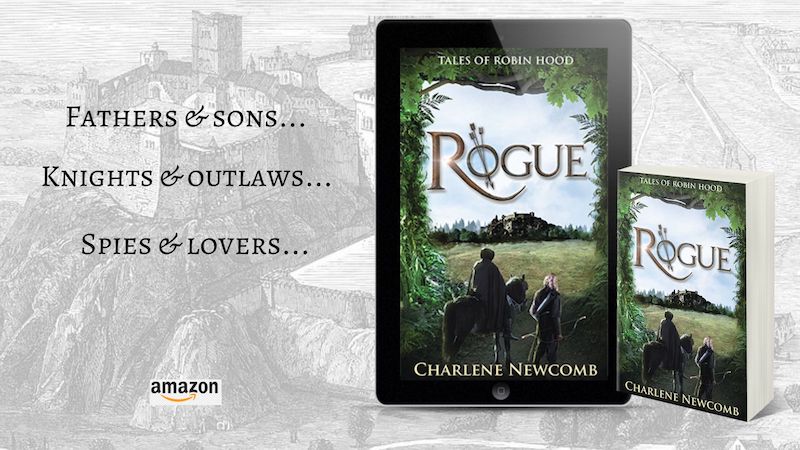
Continuity is very critical in a book series, and no less critical in any related spin-offs. After ‘living’ with Robin through three books, you’d think I could remember everything he did, how he acted, how he looked, and important events in his life. Ha!
Like many writers of series, I started a series ‘bible’ while writing book two of Battle Scars. It includes characters’ physical appearances, relationships, their horses’ names/colors, major events in their lives, even noting which book referenced that detail. I often included quotes from a passage so I could find it again in context. I also maintain a spreadsheet with timelines of events, birth/death/marriage dates, parents’ names, siblings, and relationship to other characters. (Ah, another spreadsheet lover…)
I referred back to the character templates and spreadsheet dozens of times. As detailed as I thought I’d been, my methods haven’t been foolproof.
While working on Rogue, I quickly discovered I needed information I hadn’t tracked. For example, I knew that by the time of King Richard’s death in 1199, Marian and young Robert were living in Yorkshire. But had they gone the same year? I went digging for those nuggets in two books. (No, they didn’t. The dates are recorded now!) Marian and Robin had a daughter, too. What year was she born? (It was in the spreadsheet, but I had to look it up there, along with the age of Little John’s son. Oooooh – there’s another story there.) These are little details that might get mentioned once in 370+ pages, but a thousand curses on me if I get it wrong.
I’m not certain it would have been easier if the spin-off began within a year or two of Robin’s last appearance in Battle Scars III, but because I had a brilliant idea (at least I thought so) for the ending of Rogue the setting is about 17 years later. Robin is in his 50s. In addition to the history I’d established for him through the end of King Richard’s reign in 1199, I had to know details of the 17+ years of King John’s reign, even if they weren’t mentioned in the new book. (By the way, the brilliant ending idea got shelved for future use.)
The same was true of Robin’s son, Robert. Because of his age in Battle Scars, Robert had much less ‘history’ than Robin and had a limited role in those novels. He was much easier to deal with than his father, except for his stubborn streak. 🙂 By 1216 in Rogue, Robert is a knight with significant battle experience. Then it was a matter of crafting his history and keeping those notes in Scrivener. Where had he served, with whom, and would he have crossed paths with others from his past, or with King John? And when had he last been to Yorkshire to see his parents?
Is there a peril writing a spin-off of a secondary character, when the main characters (MCs) in the original are so beloved? I relegated those MCs to minor roles in Rogue. Did a beta reader have to remind me that the spin-off was NOT their story? (That’s a yes, she did.)
Did I set readers’ expectations in Battle Scars that Robin would end up in Sherwood Forest? [Spoilers ahead]: In Rogue, Robin is not in the forest, and he’s not the leader of the outlaw gang. He may yet end up there, but my spin-off is approaching the legend of Robin Hood from a different angle and I hope it doesn’t disappoint. (It doesn’t!)
Bottom line:
- Spin-offs should stand alone.
- Great care must be taken with backstory. (Of course, that’s true of any work.) The history/character backstory must be easily understood by individuals who have not read the original as it is woven into the new novel.
- Continuity and consistency are key.
Char has nailed this with this excellent post. Interlinking the Roma Nova thrillers has caused me a few headaches but been resolved by similar methods. Char’s tips are invaluable.
__________
Connect with Char
Website https://charlenenewcomb.com
Facebook https://www.facebook.com/CharleneNewcombAuthor/
Twitter https://twitter.com/charnewcomb
Instagram https://instagram.com/charnewc
Amazon https://www.amazon.com/stores/author/B00APY2H16
Subscribe to Char’s Newsletter https://landing.mailerlite.com/webforms/landing/p7z5l7
__________
What’s Rogue about?
 A knight sworn to keep a family secret. A knight sworn to keep a family secret.
A king who seeks revenge.
A daring plan to save one life…or condemn many.
England, AD 1216. Sir Robert Fitzwilliam faithfully serves the English crown, but when the outlaw Allan a Dale, a childhood friend, is captured and thrown in the sheriff’s dungeons beneath Nottingham Castle, trouble is certain to follow.
Allan’s days are numbered. Nothing would please King John more than to see an old nemesis hanged. Nothing except watching Robert’s estranged father, Robin, dangling dead from a rope beside him.
When his father joins forces with the Hood gang to rescue Allan, enlisting the aid of friends and even the girl he loves, Robert must decide where his loyalties lie.
Before there was Robin Hood, there was Allan of the Hood. You know their story – in Sherwood Forest, they rob from the rich and give to the poor. Rogue is a retelling of the origins of the Robin Hood legends set during a time of a rebellion and invasion near the end of King John’s reign. It’s a thrilling adventure of loyalty, love, sacrifice, spies, and intrigue.
Buy Rogue here: https://mybook.to/RogueTales
It’s on a special offer until 26 August, so just under 48 hours to buy it with a 50% reduction!
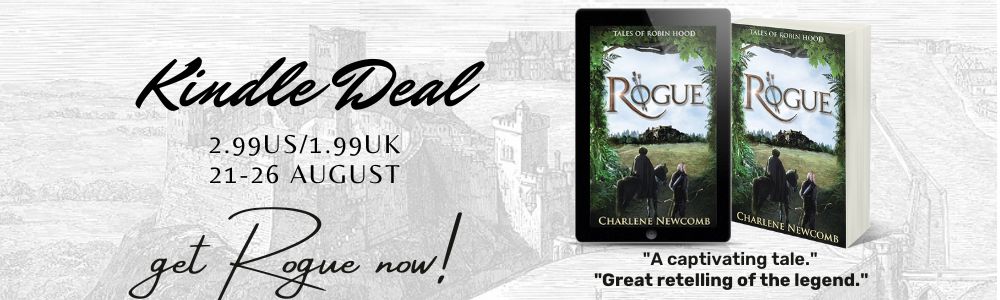
My review of Rogue 4.5 ⭐️
I loved this new take on the Robin Hood legend! Instead of going over old, too familiar ground (apologies to Kevin Costner and the late wonderful Alan Rickman), Charlene Newcomb has come up with an imaginative original treatment of a story we think we know.
The whole ‘Robin Hood’ legend skates on very dubious ice. It’s a quasi romantic story we’d all love to have happened. In Rogue, the author offers us a realistic, gritty, but totally believable alternative. As an experienced novelist she knows how to develop characters; although very much within their lived context, we recognise them as people like us. Only it’s much more dangerous when they lived.
Newcomb demonstrates that she knows these places – Nottingham, Lincoln, York; she’s obviously been there. Her research is thorough, but it never impacts on the characters’s stories and emotions, but is carefully, almost unnoticeably, woven into the narrative.
And doesn’t she throw conflict at her characters! Robin guilty yet defiant, Robert angry but caring, Allan cheeky but fatalistic, Joanna careful but tempted. And then there’s the senior generation of Marian and Little John and characters from the Battle Scars series, Henry and Stephan, providing strong support.
This new telling of an old story will throw out pre-conceived ideas, but will give you in return a cracking reinterpretation.
Alison Morton is the author of Roma Nova thrillers – INCEPTIO, CARINA (novella), PERFIDITAS, SUCCESSIO, AURELIA, NEXUS (novella), INSURRECTIO and RETALIO, and ROMA NOVA EXTRA, a collection of short stories. Audiobooks are available for four of the series.Double Identity, a contemporary conspiracy, starts a new series of thrillers. JULIA PRIMA, a new Roma Nova story set in the late 4th century, is now out.
Find out more about Roma Nova, its origins, stories and heroines and taste world the latest contemporary thriller Double Identity… Download ‘Welcome to Alison Morton’s Thriller Worlds’, a FREE eBook, as a thank you gift when you sign up to Alison’s monthly email update. You’ll also be among the first to know about news and book progress before everybody else, and take part in giveaways.
If you enjoyed this post, do share it with your friends!Like this:Like Loading...
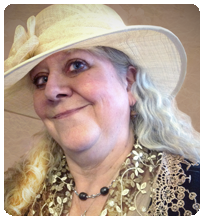 Delighted to welcome Helen Hollick back to give us some insight into series supporting characters. I know the value of them as I use them ruthlessly throughout the Roma Nova series! Delighted to welcome Helen Hollick back to give us some insight into series supporting characters. I know the value of them as I use them ruthlessly throughout the Roma Nova series!
Helen was first accepted for traditional publication in 1993 and became a USA Today Bestseller with her historical novel, The Forever Queen (titled A Hollow Crown in the UK) with the sequel, Harold the King (US: I Am The Chosen King) being novels that explore the events that led to the Battle of Hastings in 1066. Her Pendragon’s Banner Trilogy is a fifth-century version of the Arthurian legend, and she writes a nautical adventure/supernatural series, The Sea Witch Voyages. She has also branched out into the quick read novella, ‘Cosy Mystery’ genre with her Jan Christopher Murder Mysteries, set in the 1970s, with the first in the series, A Mirror Murder incorporating her own, often hilarious, memories of working as a library assistant. Her non-fiction books are Pirates: Truth and Tales and Life of A Smuggler.
Helen lives with her husband and daughter in an eighteenth-century farmhouse in North Devon, enjoys hosting author guests on her own blog ‘Let Us Talk Of Many Things’ and occasionally gets time to write…
Over to Helen!
So you’ve jumped into the realm of writing a series – it doesn’t matter what genre you write, historical, thriller/mystery, alternative, fantasy, romance… the principles are the same for all. Aside from the obvious requirement of a good plot, intriguing red herrings if it’s a mystery, and well researched background detail, you need one or two strong lead characters, usually a couple of some sort: husband and wife, or work colleagues (detective inspector and detective sergeant, maybe?). Mother and son, father and daughter, cousins… whatever you want as long as they are ‘good’ together as partners. This doesn’t mean they have to be friends – some of the best pairings in a series, be it for novels or TV, can start out being distinctly unfriendly towards each other, (although the reader will possibly guess that the two of them will probably end up as best mates, or even lovers.) What does matter is that these leading characters must be strong characters, with readily recognised passions and quirks, and an interesting background. Usually they are likeable people, although unlikeable ‘baddies’ are acceptable. The trick is to get your reader to become interested enough in your protagonists to want to know more about them… and then want more, and even more.
But there is more to a good story than just an engrossing plot, lots of action or romance, or whatever. A supporting cast is needed, and some of that cast will, perhaps, be required to make more than just an appearance in one book, so they need to be created as believably real as your main characters. You do run the risk of the sub-character becoming more popular than the lead though, so be warned! (I’m thinking Alan Rickman as the sheriff in Robin Hood Prince of Thieves, or Han Solo vs. Luke Skywalker in the Star Wars movies).
Thinking about a TV series when creating characters can help here. You need the familiar sergeant behind the desk in the police station, the grumpy boss, or the nosey neighbour, characters who only have small scenes to play but are essential to move the story along. They provide a counterbalance, or can be useful for dialogue exchanges, and yes, they are another recognisable person, and therefore give additional interest and entertainment for your readers.
In my Jan Christopher cosy (cozy – US spelling) mystery series I decided on using a few ‘regular’ supporting cast members. Young library assistant Jan Christopher and boyfriend Detective Constable (later Detective Sergeant) Lawrence (Laurie) Walker are my two lead characters, along with Laurie’s boss, who is also Jan’s Uncle – DCI Toby Christopher and his wife, Jan’s aunt, Madge. They appear in the first episode of the series, set in north-east London in the 1970s and titled A Mirror Murder. Part of my cast are a few background characters who will pop up occasionally in further episodes – certain other policemen and Jan’s library colleagues, for instance. Episode Two of the series A Mystery of Murder, saw Jan and Laurie spending Christmas with his parents down in Devon, but cunningly I also brought Uncle Toby and Aunt Madge into the story, along with a few personalities from the village. Farmer Ralph Greenslade was only mentioned, but he was to play a bigger part in a future episode (#4 A Meadow Murder) and shopkeeper Heather, who will appear in most of the Devon-based mysteries because she is a useful character to boost the plot and to smuggle in those essential red herrings!
In A Meadow Murder, I’ve also introduced the Exeter Inn landlord, Steve and his wife Hazel – they will appear again, as will cheeky Mary-Anne, a child who is often where she is not meant to be. I will add that Heather, Steve and Hazel are real people from my village, my dear friends in fact. They are written as fictional characters but included with their full permission. They are, of course, 100% ‘goodies’, and I’ve promised that they will not end up as murder victims! (Well, unless they upset me, that is! *laugh*)
That is one area where, as authors, we can have complete control over a storyline. In a TV series you can usually guarantee that an appearance by a well-known actor as a guest character will probably never be seen again. In our books, character X can appear as often as we want him or her to appear. Until we decide to kill them off, of course. Fortunately, as authors inventing our own fictional world with its events and characters we are in charge and can do what we want. Except, think carefully about killing off a regular secondary character – you might be surprised at how fond of him or her your readers have become!
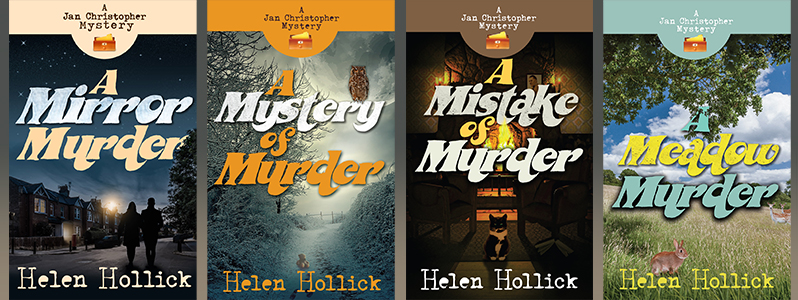
A bit of background to A Meadow Murder
A Meadow Murder is the fourth tale in the Jan Christopher cosy murder mystery series, the first three being A Mirror Murder, A Mystery of Murder and A Mistake of Murder… see what I’ve done there? Yes, I’ve created a proper puzzle for myself because now every tale in the series will have to follow the same title pattern of ‘A M-something- of Murder’ (Suggestions welcome!)
Based on when I worked as a library assistant during the 1970s, the mysteries alternate between the location of Chingford, north-east London, where the real library used to be, (the building is still there, but is, alas, now offices) and my own North Devon village, but slightly fictionalised. Chappletawton is much larger than my rural community, and has far more quirky characters, (and we haven’t had any real murders!)
The main characters, however, remain the same: Jan Christopher is the niece, and ward, of Detective Chief Inspector Toby Christopher and his wife, her Aunt Madge. In A Mirror Murder, Jan (short for January, a name she hates) meets her uncle’s new driver, Detective Constable Lawrence Walker. Naturally, it is love at first sight…
I had the idea for A Meadow Murder during the summer of 2022, while watching our top meadow being cut for hay. The cover photograph is my field – a real Devonshire hay meadow.
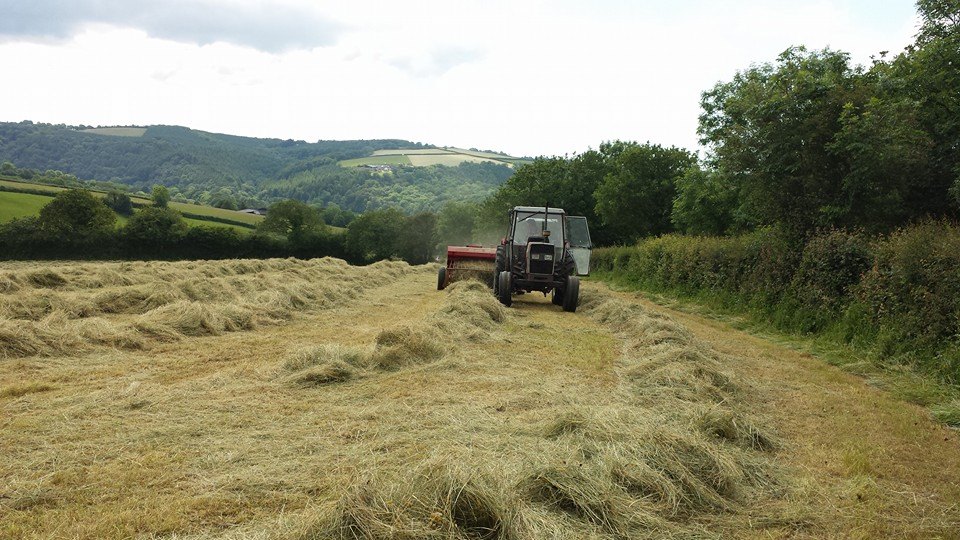 Making hay. (It’s a great scene in the book!) A short extract from A Meadow Murder…
The shop door was propped open to let in a breeze on this hot afternoon. Inside, Heather, the shopkeeper and postmistress, was standing behind the counter looking somewhat frazzled. She flicked back a lock of damp, blonde hair from her forehead and puffed her cheeks as we walked in.
“Oh, it’s only you young Laurie, and you Jan dear. I thought it was those pesky children or Dotty Dorothy come back again. Did you not see her? She’s only just left. Driven me barking with her silliness.”
Laurie laughed. I looked blank.
“Mrs Dorothy Clack,” Laurie explained. “Lives in Meadow View, the first cottage as you come into the village. Her husband is a salesman of some sort, rarely at home. She’s a sweet lady, but…”
Heather butted in. “But she is as dotty as a polka-dot bikini. It isn’t surprising that her other half is rarely here with her. Quiet chap, I’ve only seen him once or twice since they moved here a few years ago. It’s my opinion that he’s got someone else on the side, if you know what I mean. Can’t say as I blame him, Dorothy must drive him up the wall. Yesterday, she was certain that George Dill’s scarecrow was following her around the village. Didn’t matter how many times I told her that George moves the thing about in an attempt to keep the crows from his crop. Now, she’s adamant that she’s seen a leprechaun in Windfall Woods. I quote: ‘A little man, sitting on a log.’ He apparently took one look at her, jumped up, shouted, ‘Begorrah!’ and disappeared.”
“Well, it is a lovely public footpath through those woods,” Laurie said, still laughing, “though she’s more likely to meet a poacher, not a leprechaun.”
“I don’t suppose you came up that way? Saw anything odd?” Heather queried. “Just in case it was a poacher hanging around? I’ve no objection to anyone taking a rabbit or pheasant for the supper table, or farmers keeping the foxes at bay, but shooting the deer this time of year when the does have fawns at foot? If I ever caught anyone, I’d shoot them myself.” She paused, grinned. “The poachers I mean, not the deer.”
Laurie advised that that wouldn’t be a good idea, and asked for two packets of tea, which Heather fetched. He added, “We walked up the lane, not through the woods, but we can go back that way.”
I selected some picture postcards of views of Exmoor and pretty thatched cottages with various straw figures decorating the ridges, such as hares, pheasants, geese and foxes, and followed Heather as she went to the post office counter to get the stamps to go with them. I was fiddling with my shoulder bag to get my purse out when a shadow blotted the light from the open door. I paid my money and Heather, noticing the newcomer, dramatically rolled her eyes. I put the stamps and cards in my bag and turned to see who had come in…
___________
How you can get hold of your copy
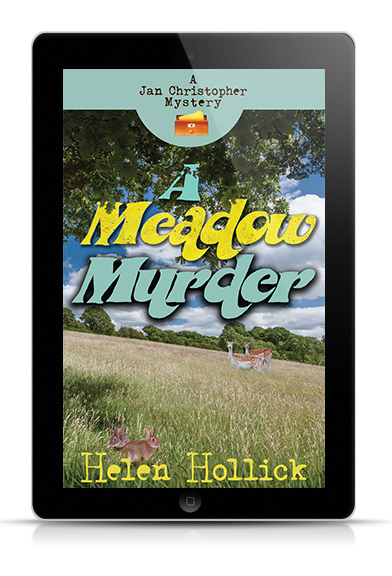 Make hay while the sun shines? But what happens when a murder is discovered, and country life is disrupted? Make hay while the sun shines? But what happens when a murder is discovered, and country life is disrupted?
Summer 1972. Young library assistant Jan Christopher and her fiancé, DS Lawrence Walker, are on holiday in North Devon. There are country walks and a day at the races to enjoy, along with Sunday lunch at the village pub, and the hay to help bring in for the neighbouring farmer.
But when a body is found the holiday plans are to change into an investigation of murder, hampered by a resting actor, a woman convinced she’s met a leprechaun and a scarecrow on walkabout…
Available as a paperback and e-book, including Kindle Unlimited
Amazon Universal Link: this link should take you direct to your own local Amazon online store https://mybook.to/AMeadowMurder
Order the paperback from any reliable bookstore
My review
Jan Christopher and her fiancé Laurie are on holiday in Devon, staying with Laurie’s parents, But it seems that murder cannot leave them alone. Apart from a delightful mystery, the outstanding thing that a reader finds in all the Murder novels by Helen Hollick is the attention to detail. Every sentence pulls you back into the early 1970s with a mixture of feelings – nostalgia for a simpler life vs. the more communication and information focused time today; the Big Smoke vs. the slower, cleaner country life. A touch of The Darling Buds of May, only not Kent, but Devon.
But the author doesn’t shy away from her characters. Each is well drawn and each has his or her distinctive voice, strengths and foibles. The countryside itself is a character and Hollick imbues it with plenty of emotion, whether a striking sunset or a delicious pie in the pub.
The denouement is very satisfactory, although tinged with sadness. We cannot but feel sympathy. If you enjoy a cozy mystery, but one with great understanding of the human condition, treat yourself to this.
___________
Connect with Helen
Website: https://helenhollick.net
Subscribe to her Newsletter: https://tinyletter.com/HelenHollick
Main Blog: https://ofhistoryandkings.blogspot.com/
Facebook: https://www.facebook.com/helen.hollick
Twitter: @HelenHollick https://twitter.com/HelenHollick
Alison Morton is the author of Roma Nova thrillers – INCEPTIO, CARINA (novella), PERFIDITAS, SUCCESSIO, AURELIA, NEXUS (novella), INSURRECTIO and RETALIO, and ROMA NOVA EXTRA, a collection of short stories. Audiobooks are available for four of the series.Double Identity, a contemporary conspiracy, starts a new series of thrillers. JULIA PRIMA, a new Roma Nova story set in the late 4th century, is now out.
Find out more about Roma Nova, its origins, stories and heroines and taste world the latest contemporary thriller Double Identity… Download ‘Welcome to Alison Morton’s Thriller Worlds’, a FREE eBook, as a thank you gift when you sign up to Alison’s monthly email update. You’ll also be among the first to know about news and book progress before everybody else, and take part in giveaways.
If you enjoyed this post, do share it with your friends!Like this:Like Loading...
|
Subscribe to Blog via Email
Join 368 other subscribers.
Categories
Archive
|