 This afternoon, I launched a rocket-fresh new writers’ group. This afternoon, I launched a rocket-fresh new writers’ group.
When I arrived in my new home in France, I eagerly searched out existing groups. Like any new relationship, it takes a while to mesh with established groups, so I went to several meetings, full of optimism and using my best networking and charm skills.
I dutifully presented my work for critiquing. Now, I’ve hardened up over the past year or so, but I blinked, hard, when one member turned on me and said he hated it. In those words and with fury all over his face.
Okaaay.
I took a deep breath and explained about genre writing, the large readership of women’s fiction, etc. etc. He used the H word again. Embarrassment from the facilitator. I persisted over a few more meetings, even volunteering a session on character (Thank you, Arvon), but concluded too many of the personalities in the group were parading their egos. Time to move on…
Dispirited and dejected after several months, I knew none of the groups was right for me. Writing is a visceral, instinctive thing and I should have clicked instantly if a group was right. Alas, no clicks.
I was spoiled after my terrific group in the UK where I met my critique partner (I blogged about writing buddies here last March.).
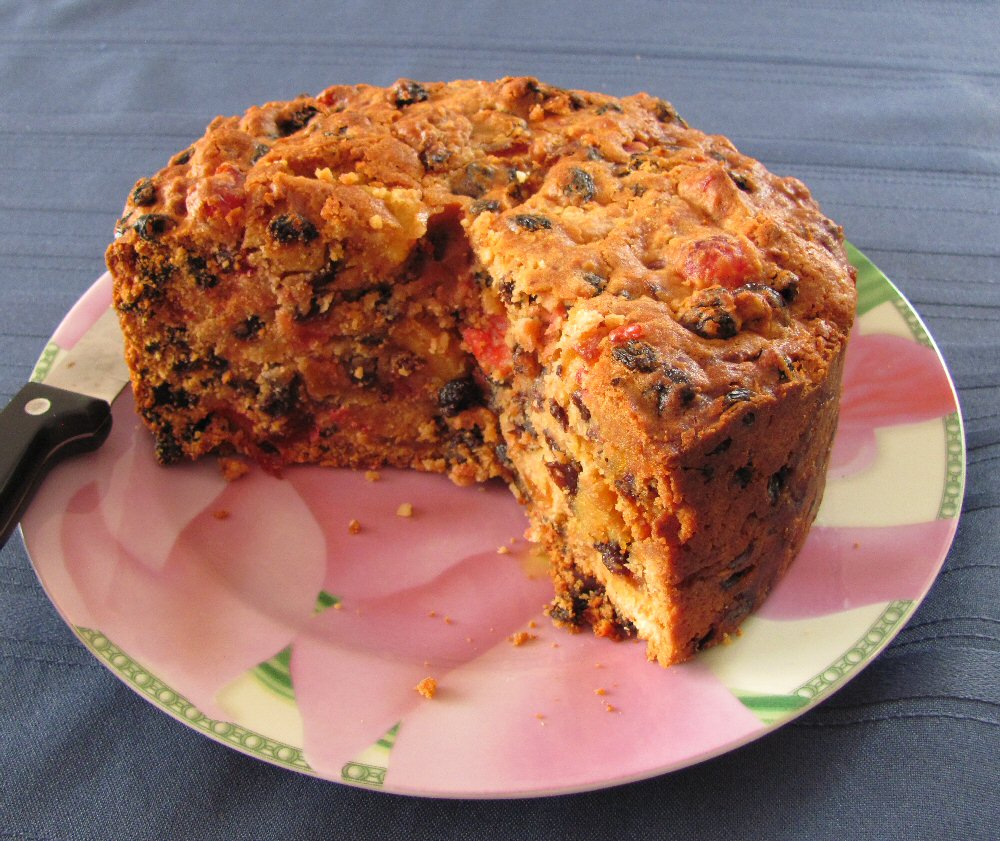
So after drinking enough vinegar, I decided to brew my own champagne. A writer friend who had traipsed round some of the groups with me and a colleague with a track record of writing plays and musicals who was starting on her first long fiction met over tea and cake (thanks to Helen of Haddock in the Kitchen) and set up our group. We hope to invite another local writer, an alumnus from UEA, no less, and then set to work.
The buzz from talking, exchanging and communing on an almost telepathic level with other obsessives cannot be beaten. We have our objectives and the next date.
Do you belong to a writing group? How does it enhance your writing?
Update 2024: Alison Morton is the author of Roma Nova thrillers – INCEPTIO, CARINA (novella), PERFIDITAS, SUCCESSIO, AURELIA, NEXUS (novella), INSURRECTIO and RETALIO, and ROMA NOVA EXTRA, a collection of short stories. Audiobooks are available for four of the series. Double Identity, a contemporary conspiracy, starts a new series of thrillers. JULIA PRIMA, Roma Nova story set in the late 4th century, starts the Foundation stories. The sequel, EXSILIUM, is now out.
Find out more about Roma Nova, its origins, stories and heroines and taste world the latest contemporary thriller Double Identity… Download ‘Welcome to Alison Morton’s Thriller Worlds’, a FREE eBook, as a thank you gift when you sign up to Alison’s monthly email update. As a result, you’ll be among the first to know about news and book progress before everybody else, and take part in giveaways.
If you enjoyed this post, do share it with your friends!Like this:Like Loading...
Who’d be a critic? I’m not talking about the flesh-tearing but insecure ego-tripper as in Sebastian Faulks’ A Week in December, but more somebody who assesses manuscripts and/or mentors writers.
Sending your baby out for review produces numbing fear in a writer; desperate for feedback, but scared the reviewer/assessor/critic will deem it a heap of crap. So when that envelope thuds on your doormat or that email pings in your inbox, it’s a moment of pure courage to open it. Over the shock and the flouncing about, what to do?
Think about this to get balance:
- Reviewers/editors are generally acting with good intentions and good ones want to work with you to help you improve;
- There are positive, encouraging comments in the report – you may have only concentrated on the negatives;
- The criticism is about the work, not you personally.
So what can we do with the report?
- Leave it alone for a couple of days;
- Read it through thoroughly – make a copy and mark it up, sentence by sentence. Don’t dash off and change the manuscript at that moment, keep going through and mark it up: D (disagree); A (Agree); * action point; underline (Oh, how true!) and scribble all over it.
What do we learn?
- Perhaps you didn’t get a particular point across well;
- You may have been lazy by not showing rather than telling;
- Was that piece of dialogue an indulgence?
- Perhaps your protagonist is a tad boring;
- Did you miss an opportunity to show reaction/emotion?
- Perhaps that fab sunset or those rolling hills have nothing to do with the character or plot, but were something you are proud of (kill your darling alert);
- Those things you know in your heart that are wrong have been exposed.
What is the result?
- A note of strengths – check the good comments and be proud of them;
- Weak points have been scooped up and dumped back on you to improve;
- You’ve been made to think, not just the points under scrutiny, but the whole thing. You have been granted ferret-like awareness to root out other discrepancies. Profit from it;
- You’ve been given a professional assessment, so be equally professional and listen and act on it.
You wouldn’t be human if you weren’t a little hurt by the negatives, but do you really want an assessment that says ‘You were wonderful, darling,’ when deep-down, you know you might not be 100% wonderful?
Coaches say that you should turn any set-back into an opportunity. I know I sound like Pollyanna, but it’s true. I firmly believe that while I may not agree with everything the reviewer says, I know that each time I undergo such a process, it sparks off a frenzy of brain activity. Sure, I see cringe-worthy mistakes, lapses and lacks but I discover I am writing at a higher level, my imagination brings out fresh insights. I have developed the ability to slice through the dross and replace it clever plot turns and deeper characters. (Well, until next time 🙂 )
So, bon courage!
If you enjoyed this post, do share it with your friends!Like this:Like Loading...
 Conflicting advice is the very devil, especially if it’s given by different well-respected and hugely experienced writers. Especially when you’ve paid for it from a well-researched and carefully selected specialist or it comes via a highly professional writing organisation. Conflicting advice is the very devil, especially if it’s given by different well-respected and hugely experienced writers. Especially when you’ve paid for it from a well-researched and carefully selected specialist or it comes via a highly professional writing organisation.
Like most newbie writers, I am passionate, energetic and in love with my story and characters. This is pretty normal. But also like most newbies, I have my doubts. So I sought advice from Those Who Know. And I am overwhelmingly grateful for their advice. My original grammatically correct but floppy prose is tighter, sharper. I now have the ‘Less Is More’ chip implanted in my brain along with ‘The Reader WILL Get It’ one. Adjectives and adverbs have to pass through the Star Chamber before being grudgingly(!) allowed a place in the text. And those darling, self-indulgent scenes I loved from birth are mostly consigned to the bin (gulp).
But…
My advisors/expert lecturers/mentors are polarised on the proportion of dialogue to narrative, level of local colour, timing and amount of world-building and whether they find my characters sympathetic. And these were the things they mentioned.
Each advisor has been enormously helpful and made good points that I have adopted or will adopt. And more than that they have acted a springboard for other ideas. I know I could not have reached the point where I am without their support. No argument.
Now it’s my turn. I have to make the decisions. I am the one who thought of the story and the characters. Like them, I have to live by the sword and die by it (Apologies for the cliché but I am writing about descendants of the Romans).
Aut viam inveniam aut faciam.
Alison Morton is the author of Roma Nova thrillers, INCEPTIO, and PERFIDITAS. Third in series, SUCCESSIO, is out in June 2014.
If you enjoyed this post, do share it with your friends!Like this:Like Loading...
 How very strange! I forgot to blog about the Festival of Writing at York. Actually, I didn’t forget. I’ve been so busy implementing things I learnt in the workshops, integrating wise pieces of advice I received and remembering stimulating and thoughtful conversations I enjoyed. How very strange! I forgot to blog about the Festival of Writing at York. Actually, I didn’t forget. I’ve been so busy implementing things I learnt in the workshops, integrating wise pieces of advice I received and remembering stimulating and thoughtful conversations I enjoyed.
York was about people: authors, publishers, agents, to be sure, but about tweeters, friends, and writers all excited about their, addiction (see above). Many people write in isolation, in snatched moments, in an indifferent or even hostile environment. So when they are amassed in several hundreds, all their enthusiasm, ideas, insights burst out.

The University of York Exhibition Centre was our ‘home’ for the weekend and the campus our inspiration.
Clever organisational touches like name badges in BIG letters meant participants easily spotted those they wanted to talk to (or avoid?) without impolite peering. Sofas, tables, and lounging areas were plentiful. As were quiet corners for a little strategic redrafting.
Although I’d been plodding on after a big family crisis over the winter, I had lost my way with my writing. After York, I couldn’t leave it alone. The techniques and craft methods I had been trying to apply flowed automatically and my fingers flew.
So thank you, York (or #FOW11 in Twitter-speak).
If you enjoyed this post, do share it with your friends!Like this:Like Loading...
You start your novel, get the scenes down, complete the first draft. Fine so far. Any writer knows the first draft is not a work of art, or even saleable. So the real work begins; enhanching, slashing and burning, sweating over that love scene, ramping up the fight scenes, checking pacing, inserting tension, moulding and stroking it into something presentable.
Normal people work 9 to 5 (well, 8.30 to 6 these days). Writers? No. Many write after they’ve come home, fed the cat, cooked supper, helped kids, talked to the significant other. And/or they get up an hour or two early, or snatch lunchtime on their netbook, or waiting for the school rugby match to finish, meeting family at the station. I’ve even jotted down plot notes in the supermarket queue.
And as for waking up at 3am with a stupendous idea, or a horrible realisation you’ve made your main character be in two places at once – cold sweat breaks out at the thought.
But even when firmly shut down, when you are resolutely doing something mainstream like staving off hunger in the family, throwing the accumulated heaps of trash out, ot discovering you have no clean clothes left, that siren keyboard sings its song. Just one sentence. You must get that phrase down. You need to type that insight into the end paragraph.
I sit in my friend’s house this morning, early cuppa at the side, hurrying to finish this piece. I’ve got writing to do, you know…
If you enjoyed this post, do share it with your friends!Like this:Like Loading...
|
Subscribe to Blog via Email
Join 368 other subscribers.
Categories
Archive
|