 Reviews are lifeblood for any author and I fall on the ground worshipping any reader who has taken the time to compose one. Sometimes, they’re posted independently, on people’s blogs, or a group’s or writing association blog, or on the “big beasts”, Goodreads and Amazon. If you’re really, really lucky you’ll get in the national papers. But what if you are viewed in a different English-speaking country? Reviews are lifeblood for any author and I fall on the ground worshipping any reader who has taken the time to compose one. Sometimes, they’re posted independently, on people’s blogs, or a group’s or writing association blog, or on the “big beasts”, Goodreads and Amazon. If you’re really, really lucky you’ll get in the national papers. But what if you are viewed in a different English-speaking country?
Conventionally, blog posters write in their native idiom. For instance, I write in standard British English and use those spelling and grammar rules. But I contribute to English-speaking groups on blogs, forums, Facebook and all over the world and nobody gets worried. We are who we are. The objective of social media is to be er, social, and as long as the message gets across and is understood by the other person, then that’s all that matters.
 I try to be culturally aware – I used to be a translator, so I should know. 😉 The safest thing is to use plain language and keep away from cultural connotations such as “Here’s one I made earlier” (Yes, UK Brits are smiling.) I try to be culturally aware – I used to be a translator, so I should know. 😉 The safest thing is to use plain language and keep away from cultural connotations such as “Here’s one I made earlier” (Yes, UK Brits are smiling.)
But what happens in more formal circumstances such as your book?
This happened to a friend of mine…**
“I did get a review recently from somebody complaining about the “typos” in my book and asking why neighbour is spelled with a “u” and why”centre” is spelled wrongly…and that my book seriously needed a spellchecker (her words) and edit. I debated what to do and then in the end replied to her via private email, thanking her for her concerns and explaining politely that my book was written in British English and therefore all those words were not typos but correct spelling under British English. I also mentioned that my book had been professionally edited by a US editor familiar with both languages. She actually replied very nicely and thanked me for letting her know before she wrote her public review – so it all ended well and prevented a falsely negative review about my book.”
 Now I had a dilemma of my own when I started writing a heroine brought up (or raised?) in America. She speaks American English as her natural idiom and even when she switches to Latin in 21st century Roma Nova, I keep her idiom, phraseology and vocabulary. That’s her voice. But writing as a British English speaker, I use British English spelling. Now I had a dilemma of my own when I started writing a heroine brought up (or raised?) in America. She speaks American English as her natural idiom and even when she switches to Latin in 21st century Roma Nova, I keep her idiom, phraseology and vocabulary. That’s her voice. But writing as a British English speaker, I use British English spelling.
I think the secret is clarity. Explain, as my friend very tactfully did, that other forms of spelling exist that are native in their own country. It would be parochial to say “Ours is best” when communication is so open and rapid now throughout the English speaking world. I am not saying anything goes. Spelling, punctuation and grammar must be correct within that form of English used; there is no excuse for sloppiness.
But just as we Brits can follow The Wire, Homeland, and True Blood, American audiences are not put off by Dr Who, Foyles War and Prime Suspect. And my US colleagues often say about British books, “Yeah, you know, we get it.”
** H.Y. Hanna, author of the Big Honey Dog Mysteries
Alison Morton is the author of Roma Nova thrillers, INCEPTIO, and PERFIDITAS. Third in series, SUCCESSIO, is out early summer 2014.
If you enjoyed this post, do share it with your friends!Like this:Like Loading...
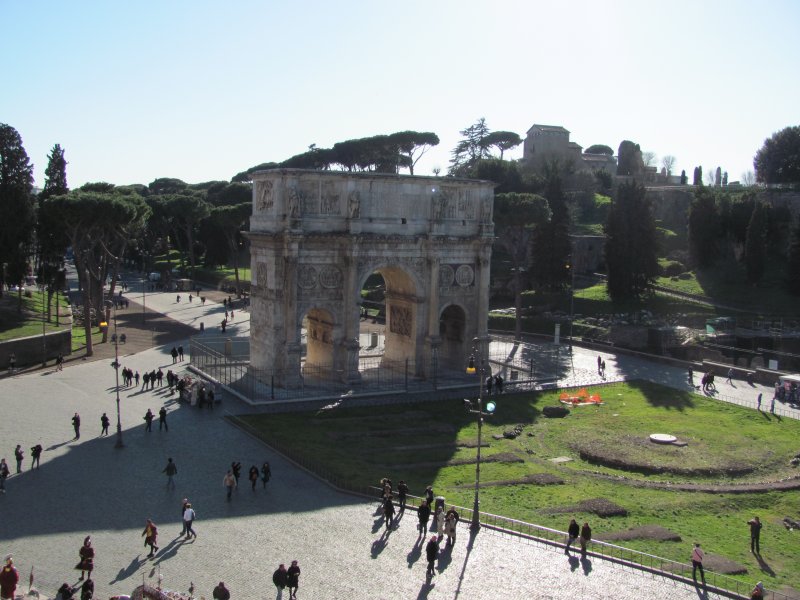
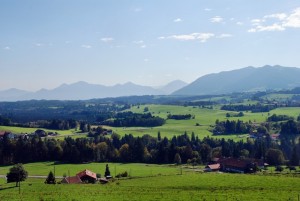 What does Roma Nova look like? What does Roma Nova look like?
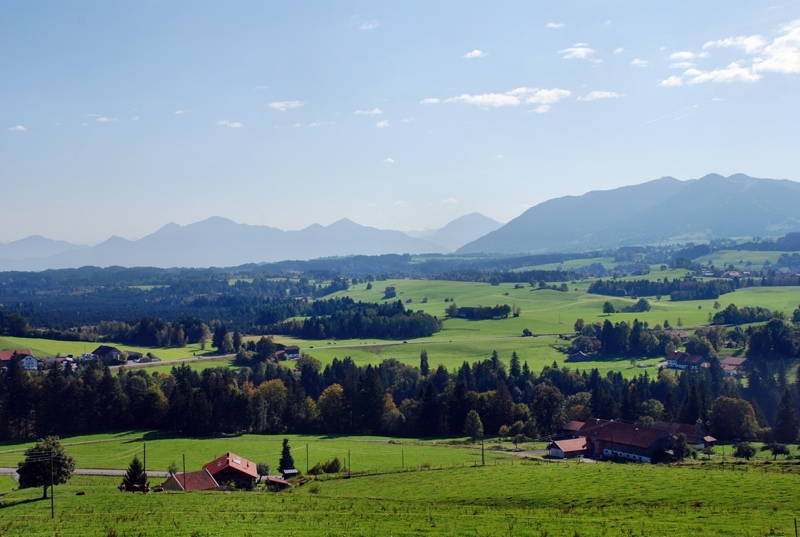
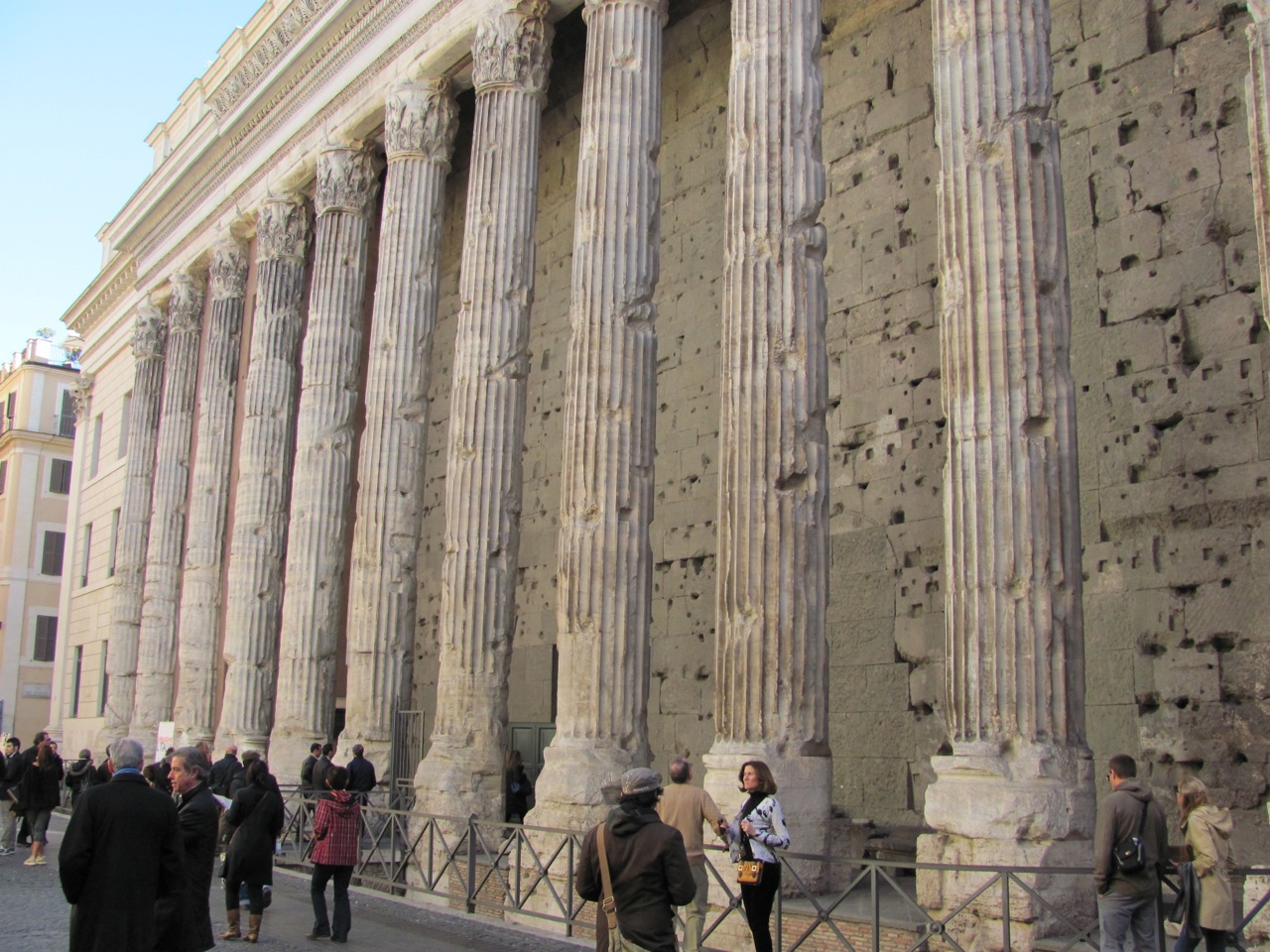
It’s an alpine country with lower lying valleys a few small towns (Castra Lucilla, Brancadorum, Aquae Caesaris) and a river city full of columns, a forum, Senate house and temples.
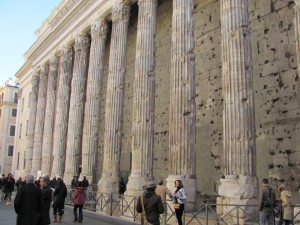
Roma Novans don’t have a different name for their capital; like the ancients, they just call in “the city”.
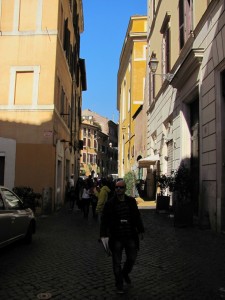
The original Roman architecture from the late fourth century is surrounded by buildings from the intervening centuries, so you’ll see medieval, Renaissance, Biedermeir (Regency in English) and later. More photos here.
If it’s not a real country, how did you dream it up?
Sadly, you can’t use Google maps to view Roma Nova’s geography from space nor load a Wikipedia page for its history. But inventing a country doesn’t mean you can throw any old facts into your book. They have to hang together.
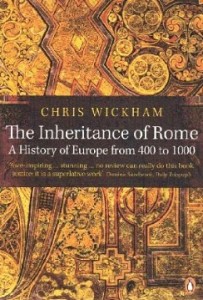 If you look back to when those first Roman dissidents left Italy in AD 395 and trekked north to found Roma Nova, you can find out quite a bit about Roman life and culture at that time. This gives you a starting point: their mindset, their customs, their concerns, their ways of doing things. For instance, the first chapters of Christopher Wickham’s book The Inheritance of Rome draws a clear and detailed picture. If you look back to when those first Roman dissidents left Italy in AD 395 and trekked north to found Roma Nova, you can find out quite a bit about Roman life and culture at that time. This gives you a starting point: their mindset, their customs, their concerns, their ways of doing things. For instance, the first chapters of Christopher Wickham’s book The Inheritance of Rome draws a clear and detailed picture.
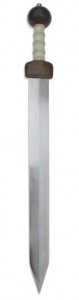
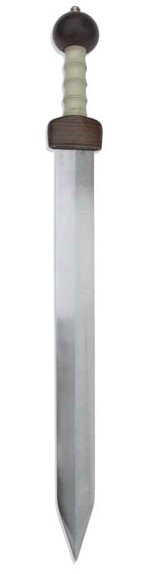
With the Roma Nova books, I’ve used terms that people might already know like the Roman sword, gladius, greeting such as salve, solidi as money, ranks like legate and centurion. But I’ve made the gladius carbon steel, the solidi have currency notes and debit cards as well as coins, and I’ve mixed in other European military ranks such as captain. It gives a sense of history that’s gone forward and adapted to the modern age.
Ancient Romans were fabulous engineers and technologists, organised and determined to apply practical solutions to the needs of their complex and demanding civilisation, so I’ve positioned them in the 21st century at the forefront of the communications and digital revolutions.
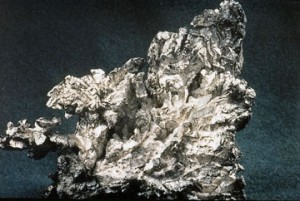 The silver mines and processing industry that underpinned Roma Nova’s early economy, and still play an extremely important role in 21st century Roma Nova, are another allusion to ancient Rome. Silver was a big reason the Romans wanted Britannia. Dacia (Romania) and Noricum (Austria) in central Europe were of special significance, as they were very rich in high quality deposits. The silver mines and processing industry that underpinned Roma Nova’s early economy, and still play an extremely important role in 21st century Roma Nova, are another allusion to ancient Rome. Silver was a big reason the Romans wanted Britannia. Dacia (Romania) and Noricum (Austria) in central Europe were of special significance, as they were very rich in high quality deposits.
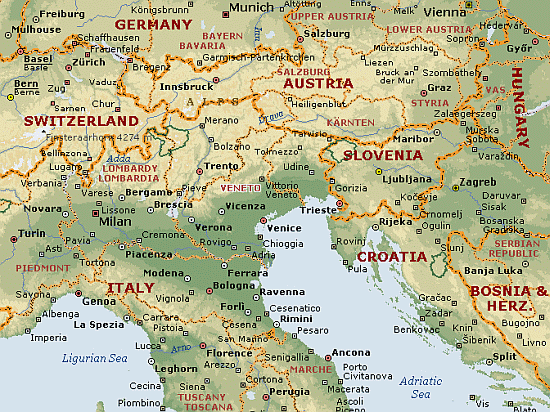
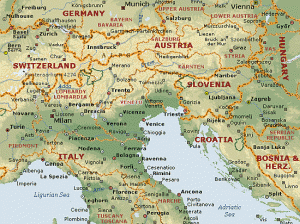 Giving Roma Nova silver deposits provides a plausible reason for its economic survival through the ages. I also needed mountains, a river, land where farmers could work vineyards, grow olives, wheat and vegetables, and raise animals. I also wanted my imaginary country to be near Italy and Austria. So it had to be in south central Europe. In the end I pinched Slovenia as my model. Giving Roma Nova silver deposits provides a plausible reason for its economic survival through the ages. I also needed mountains, a river, land where farmers could work vineyards, grow olives, wheat and vegetables, and raise animals. I also wanted my imaginary country to be near Italy and Austria. So it had to be in south central Europe. In the end I pinched Slovenia as my model.
This and the previous post give you a glimpse into the world of Roma Nova. What else would you like to know?
Updated 2018: Alison Morton is the author of Roma Nova thrillers – INCEPTIO, PERFIDITAS, SUCCESSIO, AURELIA, INSURRECTIO and RETALIO. CARINA, a novella, is available now. Audiobooks are available for the first four of the series.
Get INCEPTIO, the series starter, FREE as a thank you gift when you sign up to Alison’s monthly email newsletter. You’ll also be first to know about Roma Nova news and book progress before everybody else, and take part in giveaways.
If you enjoyed this post, do share it with your friends!Like this:Like Loading...
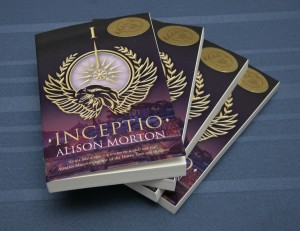 Offer 1: Two-book bundle Offer 1: Two-book bundle
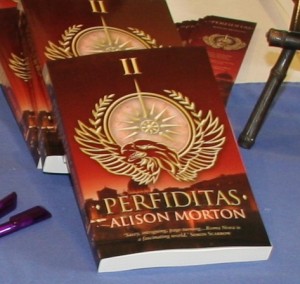
A signed paperback copy of each of INCEPTIO and PERFIDITAS
UK – £18.50
Europe – 22.00€
US – US$ 29.50
All prices include postage (second class/economy) and packing. Please ask for rates to rest of world.
 Offer 2: Individual paperback gift service Offer 2: Individual paperback gift service
A seasonal greetings card with personalised message from the author with bookmark, gift wrapped and sent to the person of the buyer’s choice: either INCEPTIO or PERFIDITAS.
UK – £13.50,
Europe – 15.00€
US – US$ 21.60
All prices include postage (second class/economy) and packing. Please ask for rates to rest of world.
Contact me at hello@alison-morton.com to order. I will send you a confirmatory email asking you for full details. Payment by PayPal/credit/debit card
It would really help if you could put “Saturnalia offer 1″ or “Saturnalia offer 2″ as appropriate in the subject header. Last date for orders 6 December. After that, I can’t guarantee you’ll receive it in time…
Io Saturnalia!
If you enjoyed this post, do share it with your friends!Like this:Like Loading...
Today, I’m on author Jessica Bell’s blog as an “Artist Unleashed” with a guest post “Write What You Really Really Want”.
 I hope you’ll visit and read a little more about my writing motivation. 😉 I hope you’ll visit and read a little more about my writing motivation. 😉
But the treasure of Jessica’s blog is the gorgeous bubble girl…
Alison Morton is the author of Roma Nova thrillers, INCEPTIO, and PERFIDITAS. Third in series, SUCCESSIO, is out early summer 2014.
If you enjoyed this post, do share it with your friends!Like this:Like Loading...
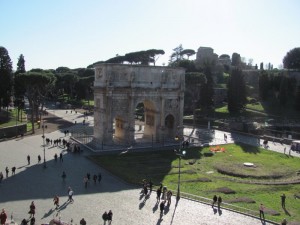 Over the past 8 months, readers have become very interested in Roma Nova and its people; some have wanted to sign up to live there! I thought I’d share some of the questions they’ve asked… Over the past 8 months, readers have become very interested in Roma Nova and its people; some have wanted to sign up to live there! I thought I’d share some of the questions they’ve asked…
Why does the heroine change name?
Carina is Karen’s real name. Her mother, who ran off to marry William Brown and live in the Eastern United States, registered Carina’s birth at the Roma Nova legation in Washington. But as their child was being raised in the Eastern United States, her parents decided to anglicize her name to Karen.
What does our heroine do on her day off?
Swims and sleeps!
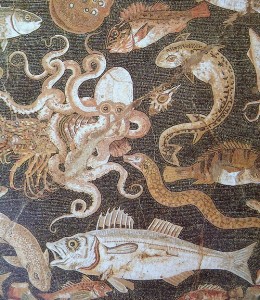 What do Roma Novans eat? What do Roma Novans eat?
Anything! Well, standard European food, but with a bias to a Mediterranean diet, not forgetting the Roman staples of beans, olives, fish and honey. But I don’t think Carina’s diet includes garum, the traditional Roman fermented fish sauce which sounds pretty yucky.
Why do the characters swear so much, and by so many gods?
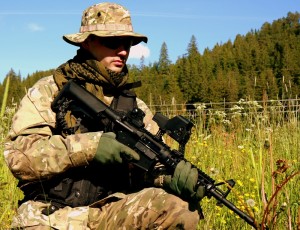
Many of my characters are in the police service or the military and they swear a lot between themselves – sorry! I have reduced the amount you would normally expect by about 70%.
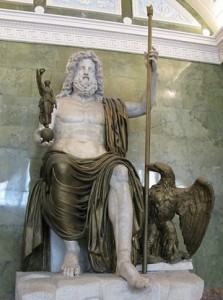
And who else would they swear by if not Juno, Mars, Jupiter or Mercury?
What’s Roma Nova’s history?
Read this!
 How does the heroine learn Latin so quickly? How does the heroine learn Latin so quickly?
Her mother spoke Latin to her as a baby and toddler, and she went to Latin classes when younger. A little like the heroine in My Big Fat Greek Wedding who went to Greek class every Saturday. Karen’s Latin’s rusty, but it comes back… If a language is learned in the early years, it does tend to stick in the back of the brain and the ability resurfaces when it’s triggered by the person being immersed again in that language environment.
Of course, she has two invaluable aids: a smart mouthed teenager (Aelia in the Washington Legation), and the fascinating Conrad…
Read more about world building here (Part 2)…
Alison Morton is the author of Roma Nova thrillers, INCEPTIO, and PERFIDITAS. Third in series, SUCCESSIO, is out early summer 2014.
If you enjoyed this post, do share it with your friends!Like this:Like Loading...
|
Subscribe to Blog via Email
Join 368 other subscribers.
Categories
Archive
|
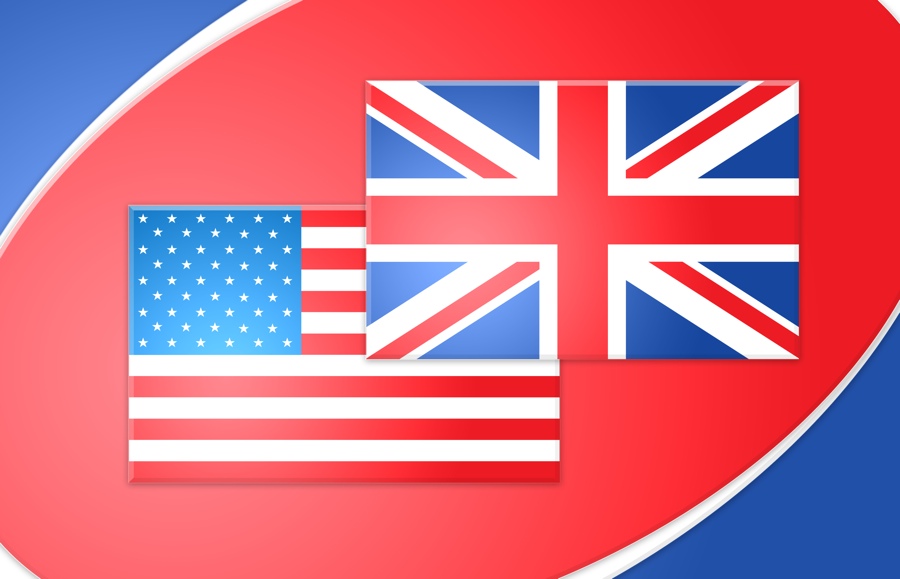 Reviews are lifeblood for any author and I fall on the ground worshipping any reader who has taken the time to compose one. Sometimes, they’re posted independently, on people’s blogs, or a group’s or writing association blog, or on the “big beasts”, Goodreads and Amazon. If you’re really, really lucky you’ll get in the national papers. But what if you are viewed in a different English-speaking country?
 I try to be culturally aware – I used to be a translator, so I should know. 😉 The safest thing is to use plain language and keep away from cultural connotations such as “Here’s one I made earlier” (Yes, UK Brits are smiling.)
 Now I had a dilemma of my own when I started writing a heroine brought up (or raised?) in America. She speaks American English as her natural idiom and even when she switches to Latin in 21st century Roma Nova, I keep her idiom, phraseology and vocabulary. That’s her voice. But writing as a British English speaker, I use British English spelling.